Foam Rollers vs Massage Balls: Which Recovery Tool Works Best?
Walk into any gym or recovery room and you will see two tools everywhere: foam rollers and massage balls. Both are simple, both are portable, and both can make a stiff muscle feel dramatically better. But they are not interchangeable. Choosing the right one comes down to the size of the area you want to treat, how much pressure you can tolerate, and where you are in your training week.
Why Recovery Tools Matter
Hard training creates tension. Muscles tighten, fascia loses glide, and range of motion shrinks. Self-myofascial release — rolling or pressing on a muscle to apply sustained pressure — is a practical way to restore movement and reduce that heavy, locked-up feeling before or after a workout.
Use these tools as part of a routine:
- Before training: short, brisk passes to wake up tissue and improve mobility.
- After training: slower, longer holds to calm things down and ease soreness.
- On rest days: targeted work on known trouble spots such as calves, glutes, or the upper back.
The general rule is simple: the larger the muscle, the larger the tool. Big surfaces spread pressure; small surfaces concentrate it.
Foam Rollers Explained
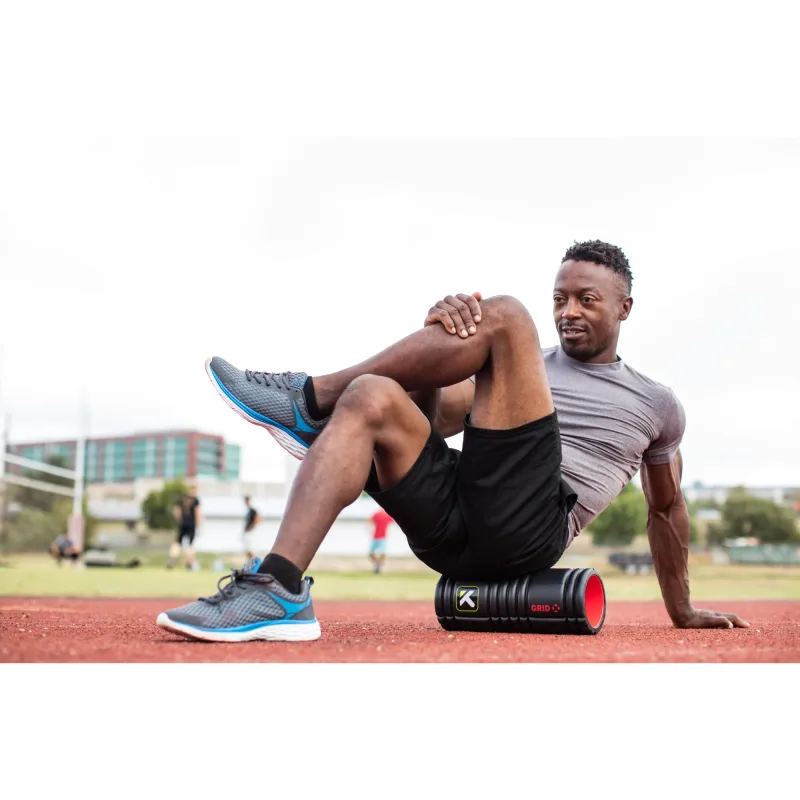
A foam roller covers broad areas quickly. It is the best starting point for quads, hamstrings, IT bands, lats, and the thoracic spine, because you can lie on it and use your body weight to control the pressure.
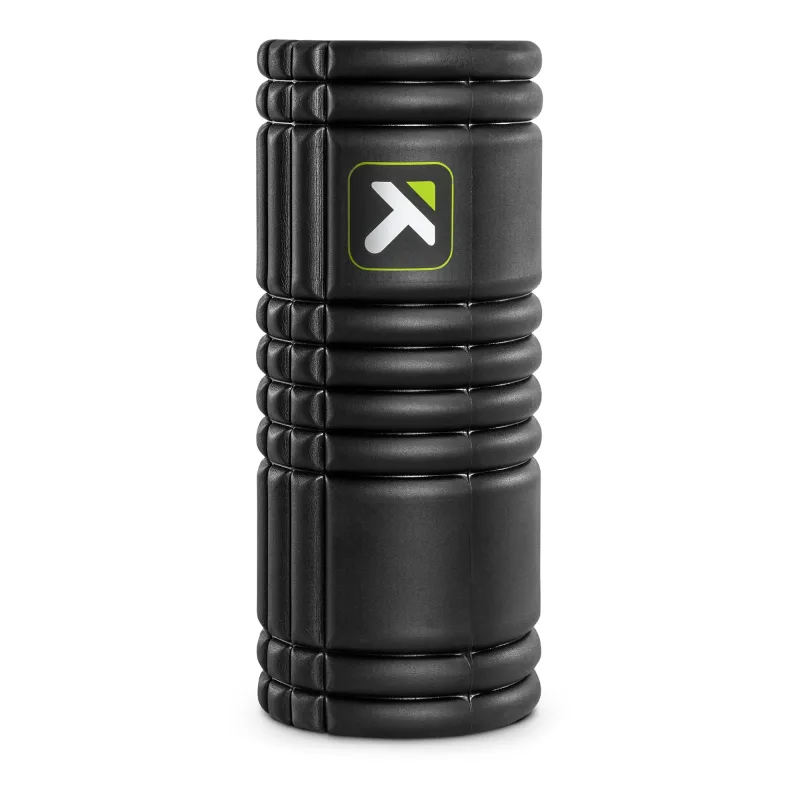
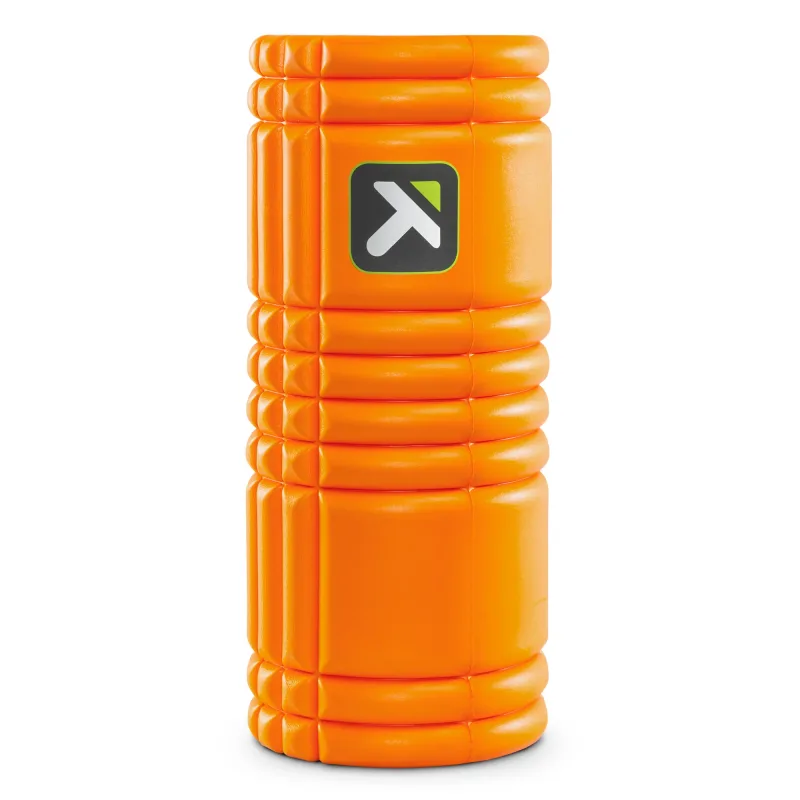
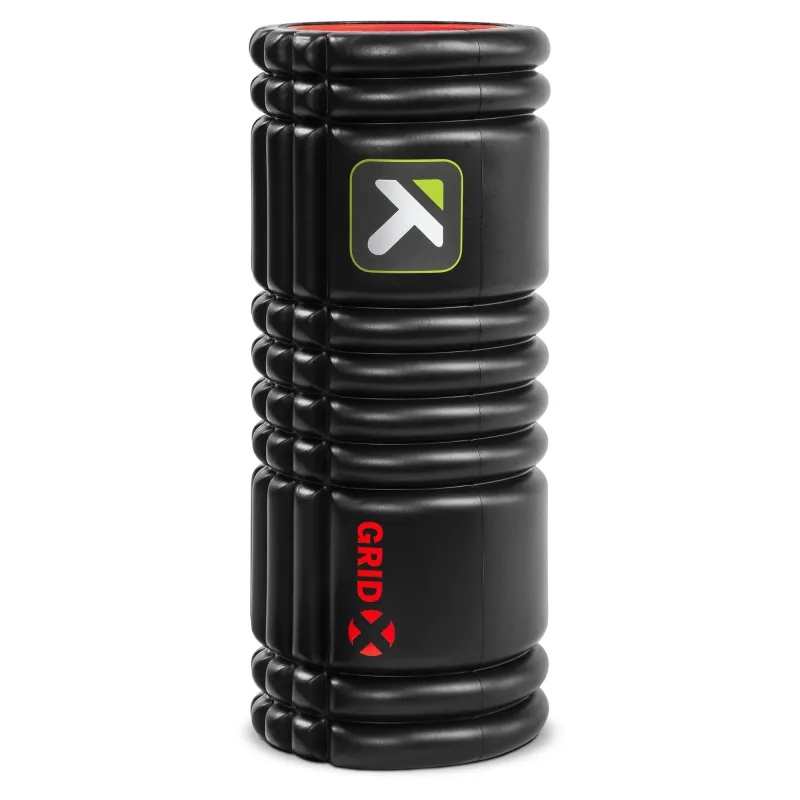
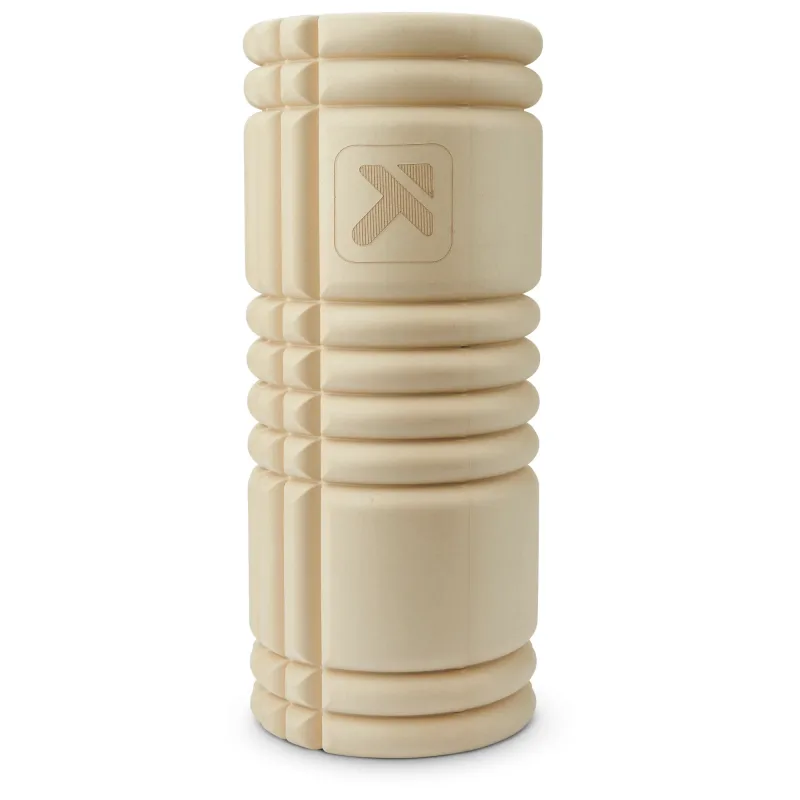
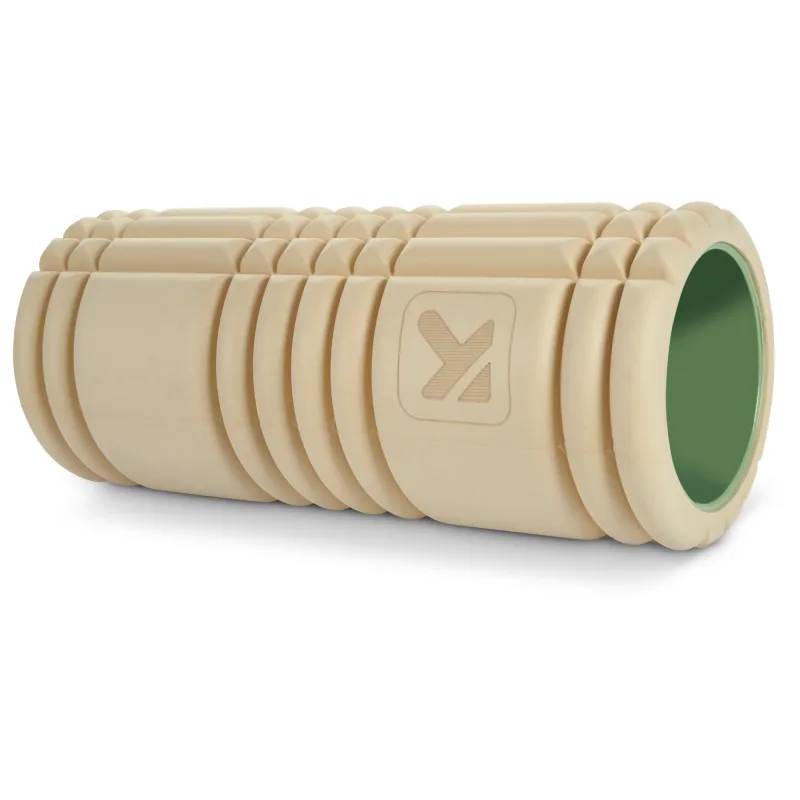
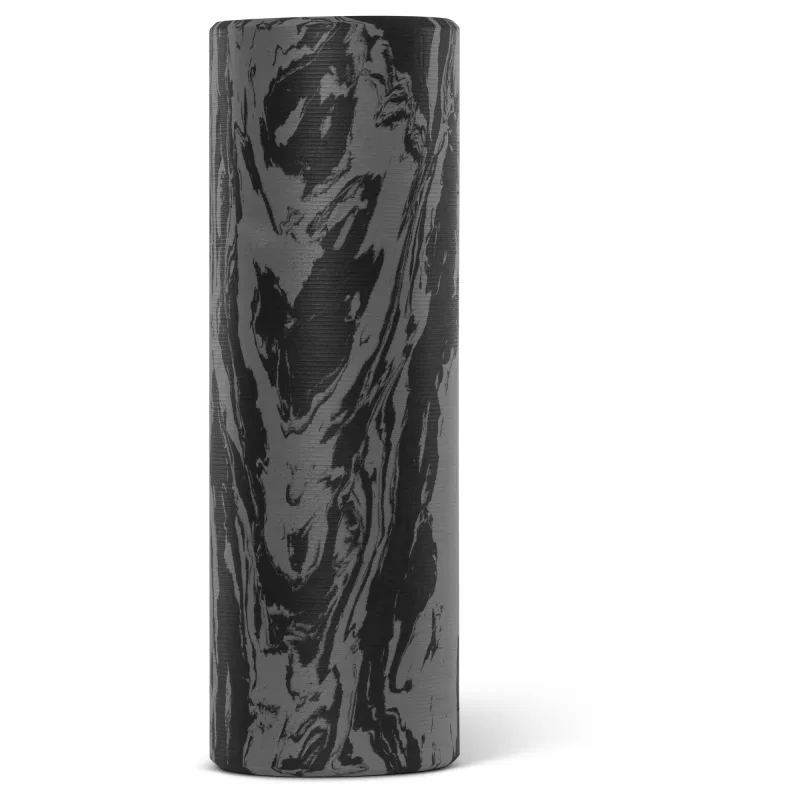
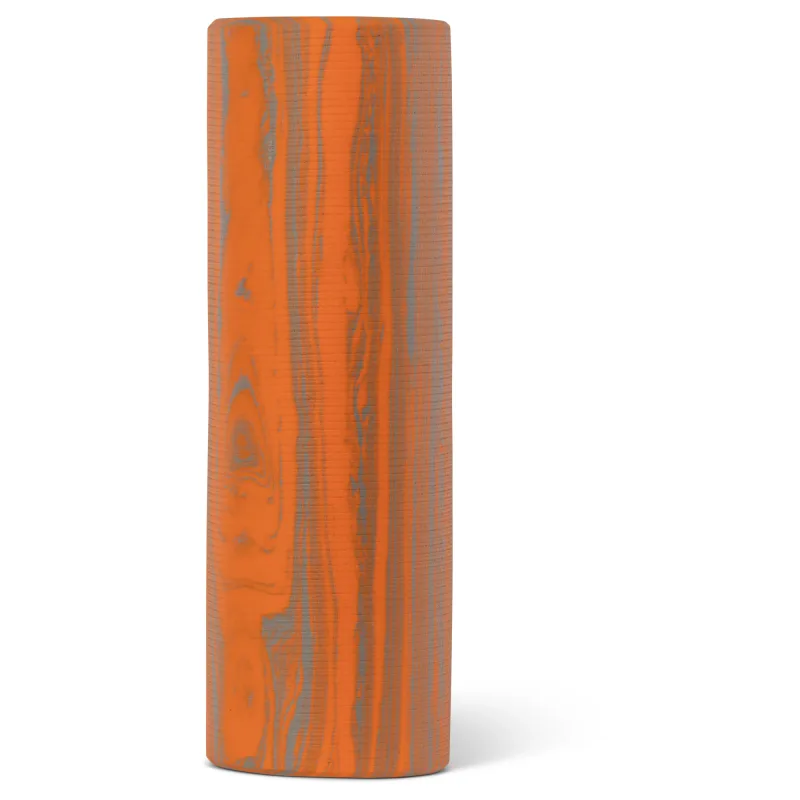
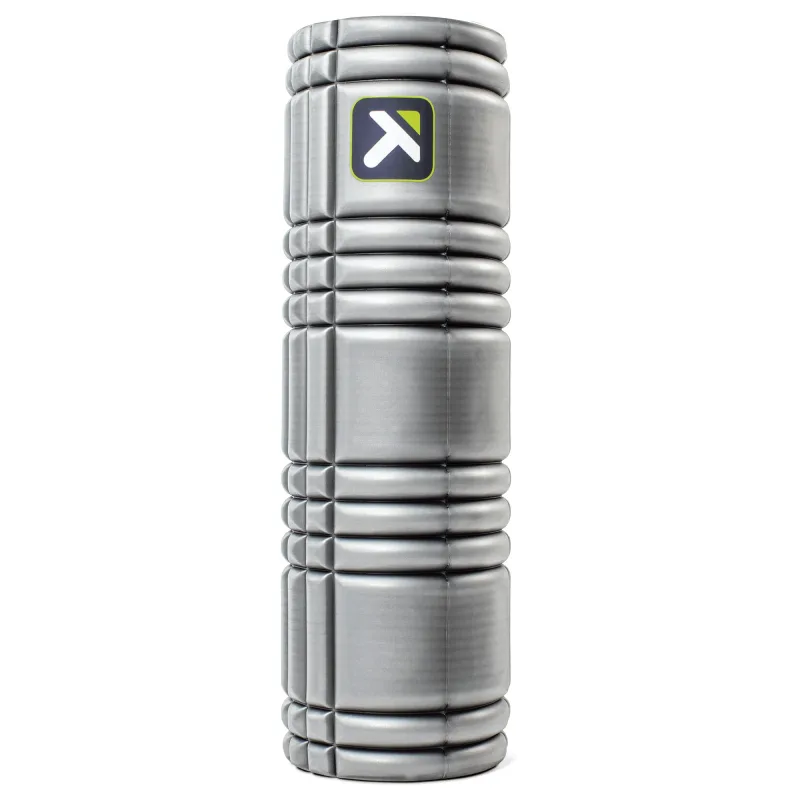
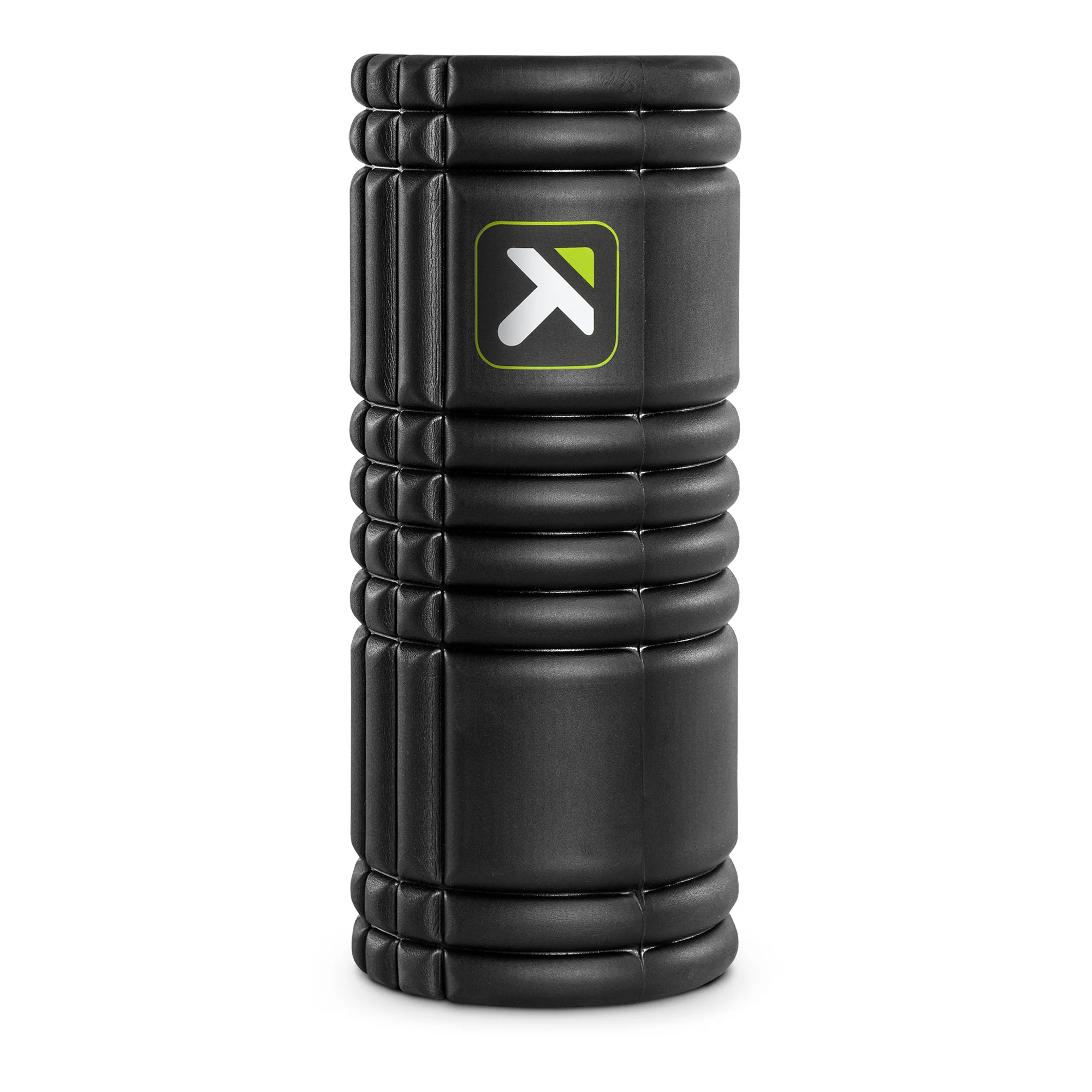
The GRID 1.0 Foam Roller is the classic all-rounder, with a hollow core and a textured surface that mimics the feeling of a therapist's hands. If you want something denser for heavier bodies and deeper work, the GRID X Foam Roller delivers firmer compression. For a more budget-friendly and eco-conscious option, the Eco GRID 1.0 Foam Roller uses recycled materials without changing the shape or feel. And if you are brand new to rolling, the Foundations Roller offers a gentler, more forgiving density while you build tolerance.
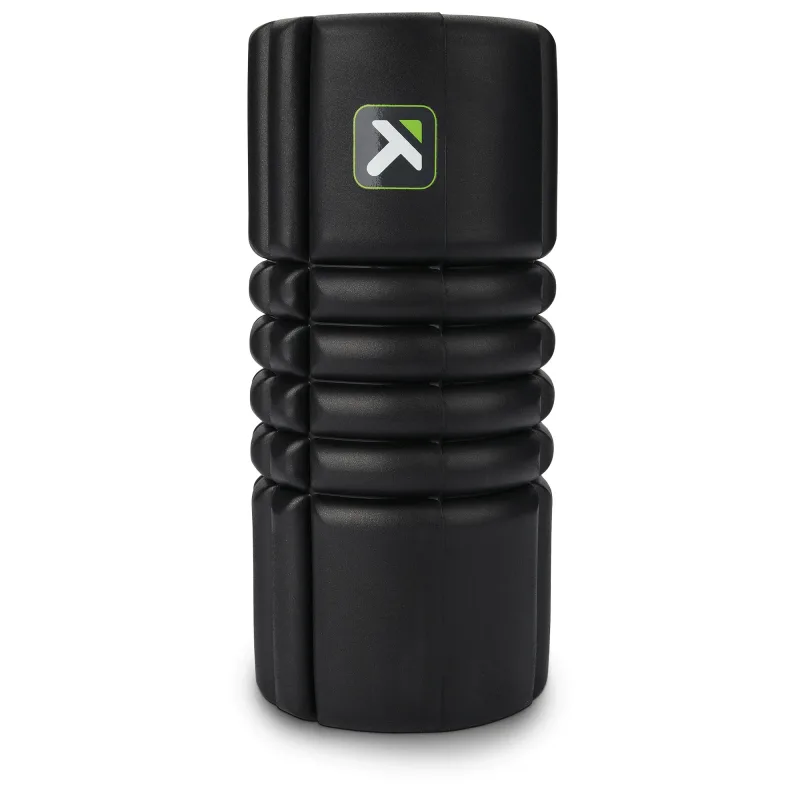
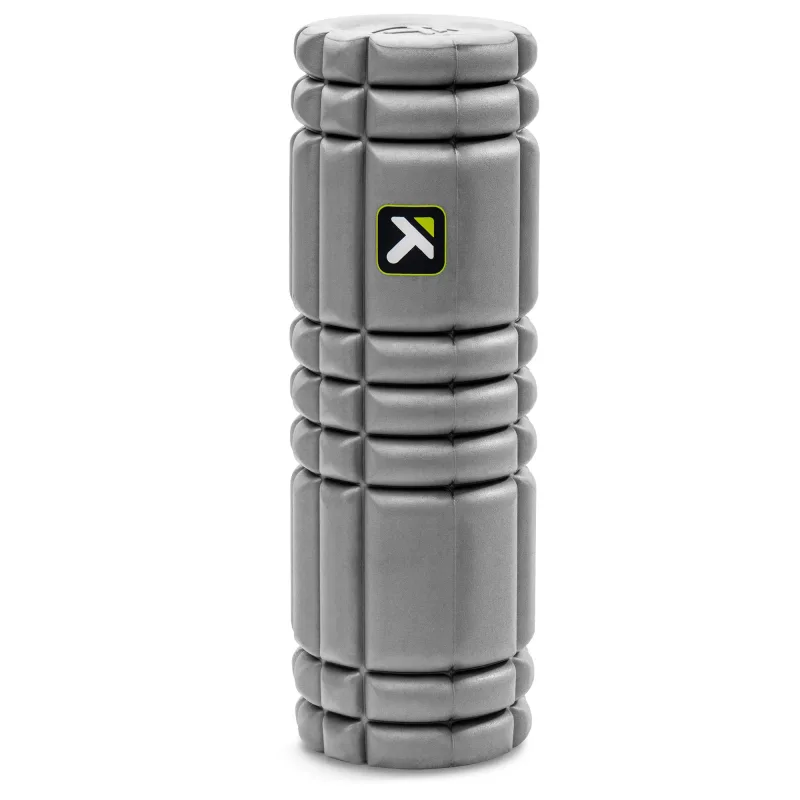
Travel rollers such as the GRID Travel and the compact CORE Foam Roller keep the same idea in a smaller package, so your routine does not disappear when you are on the road.
Massage Balls Explained
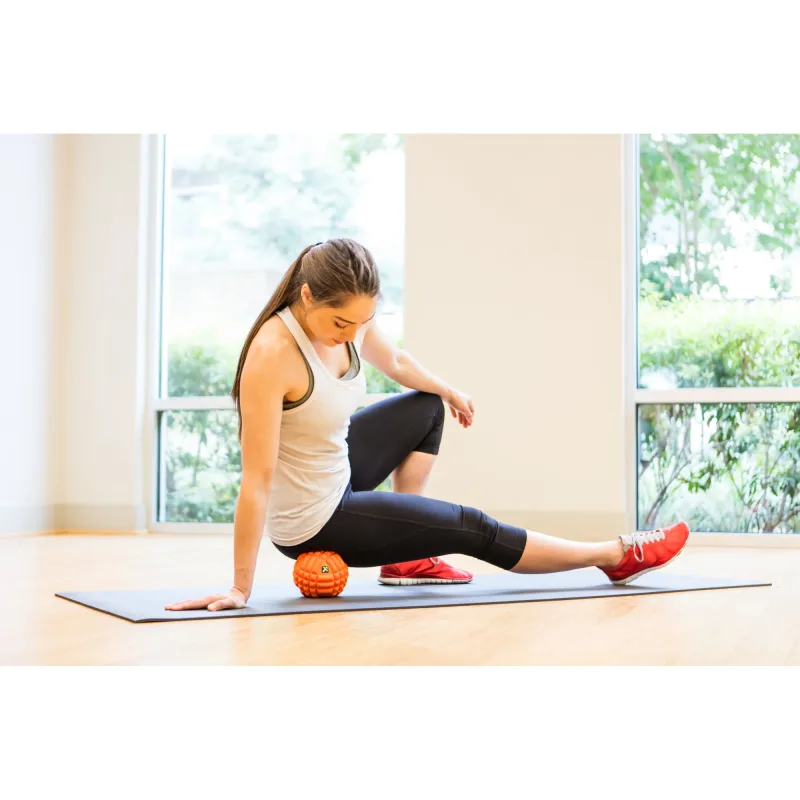
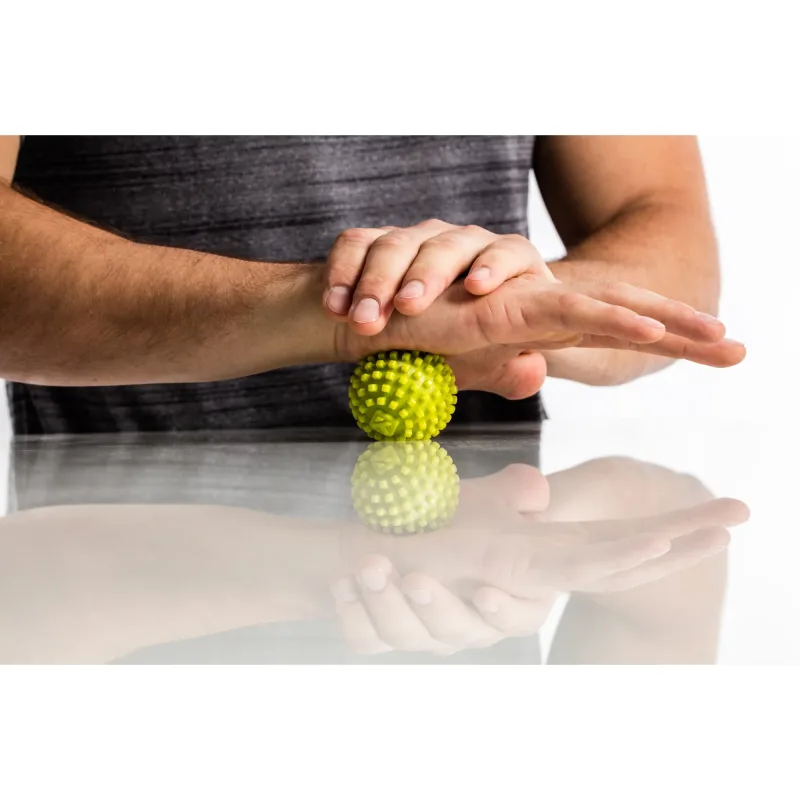
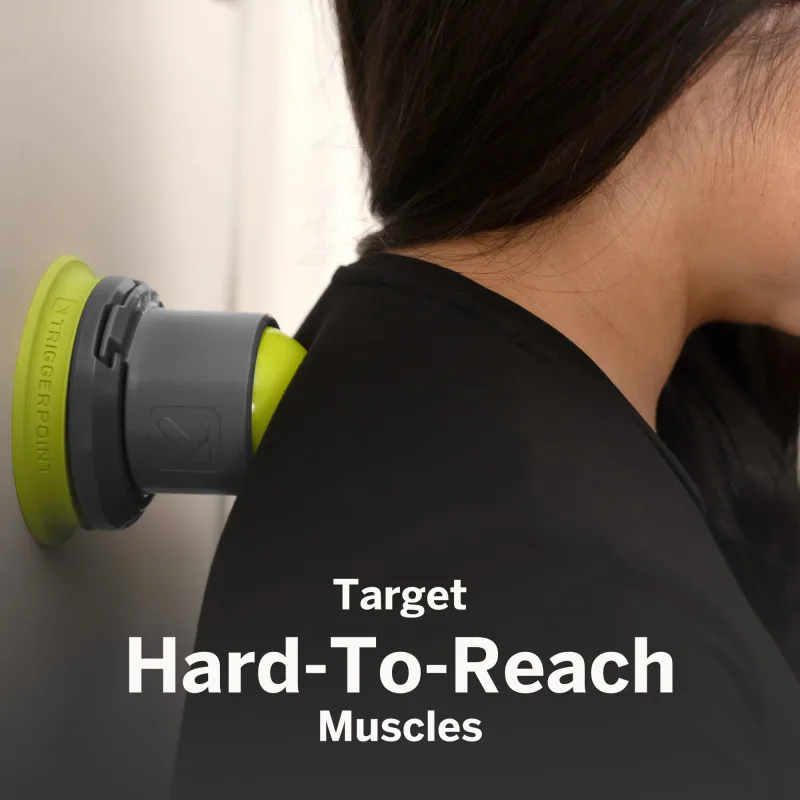
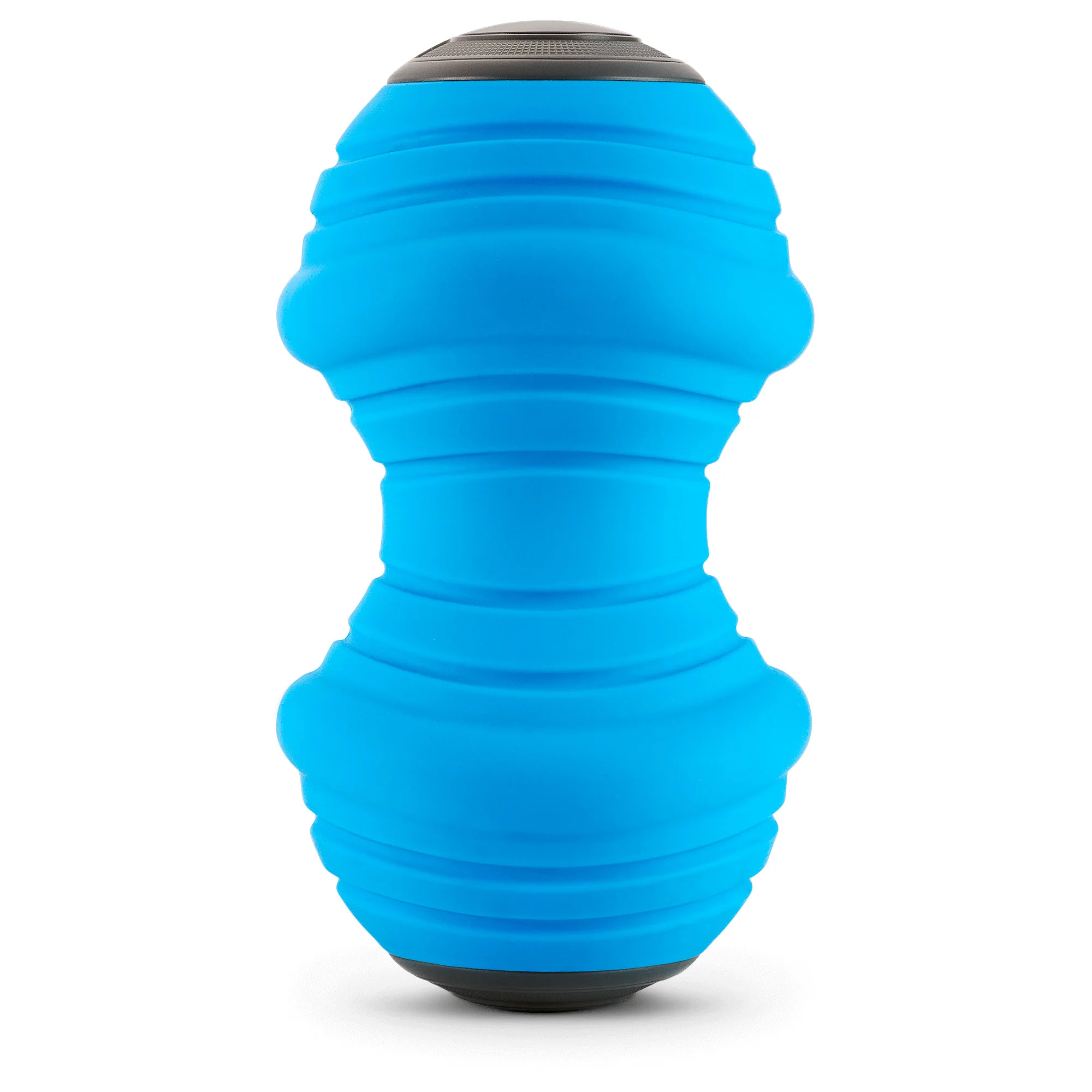
Massage balls trade coverage for precision. They fit into the shoulder blades, glutes, hip rotators, and the arch of the foot — places a roller simply cannot reach. You can use them against a wall, on the floor, or under a chair.
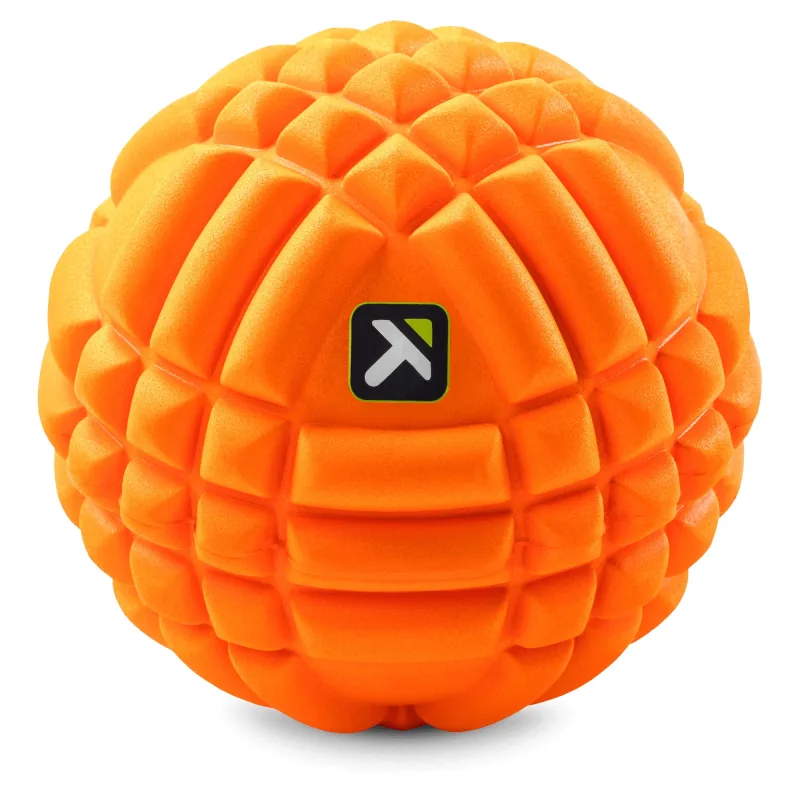
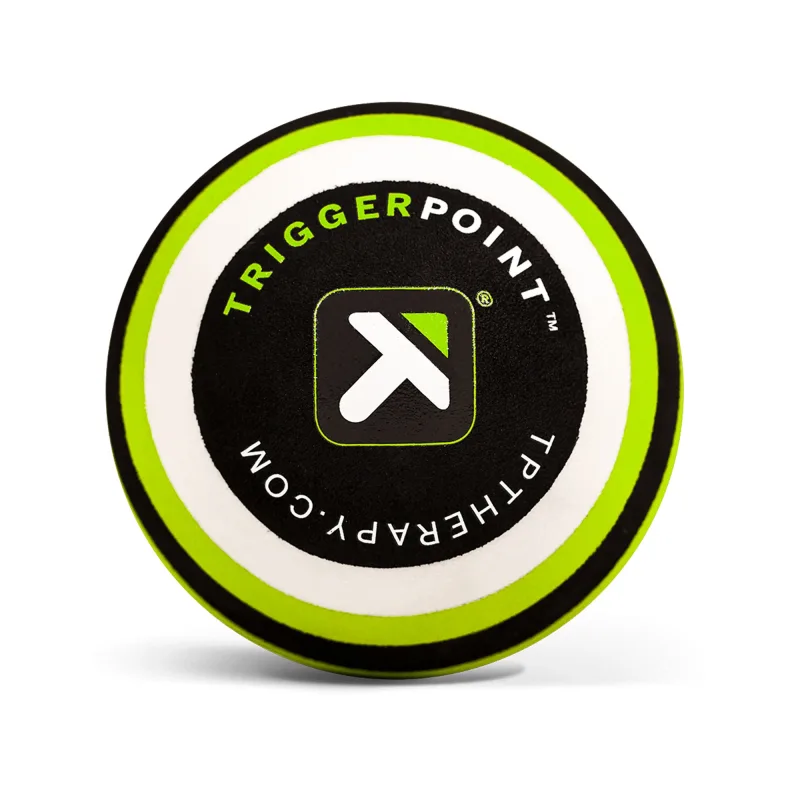
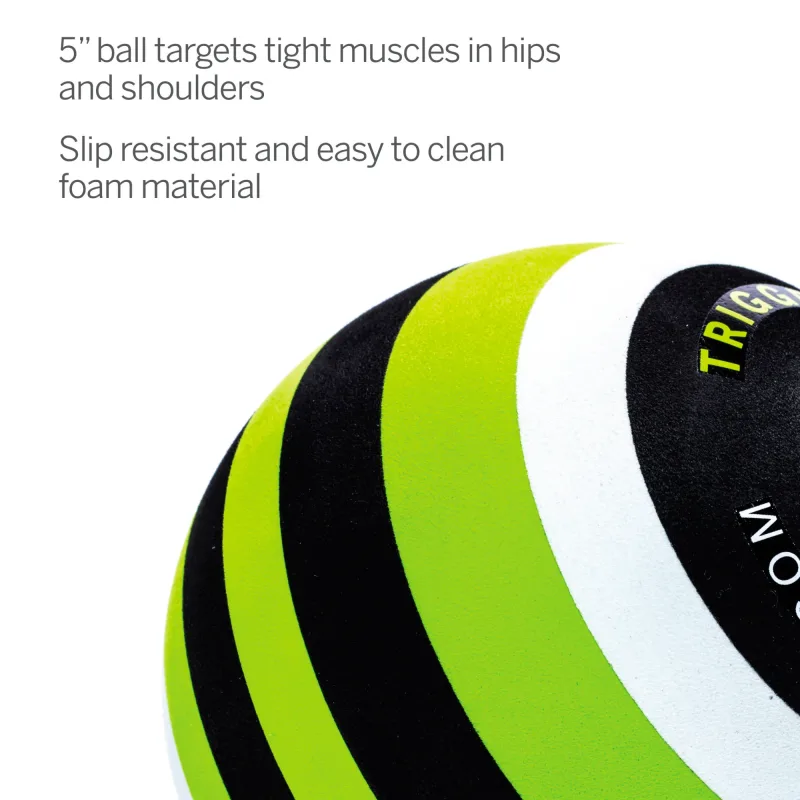
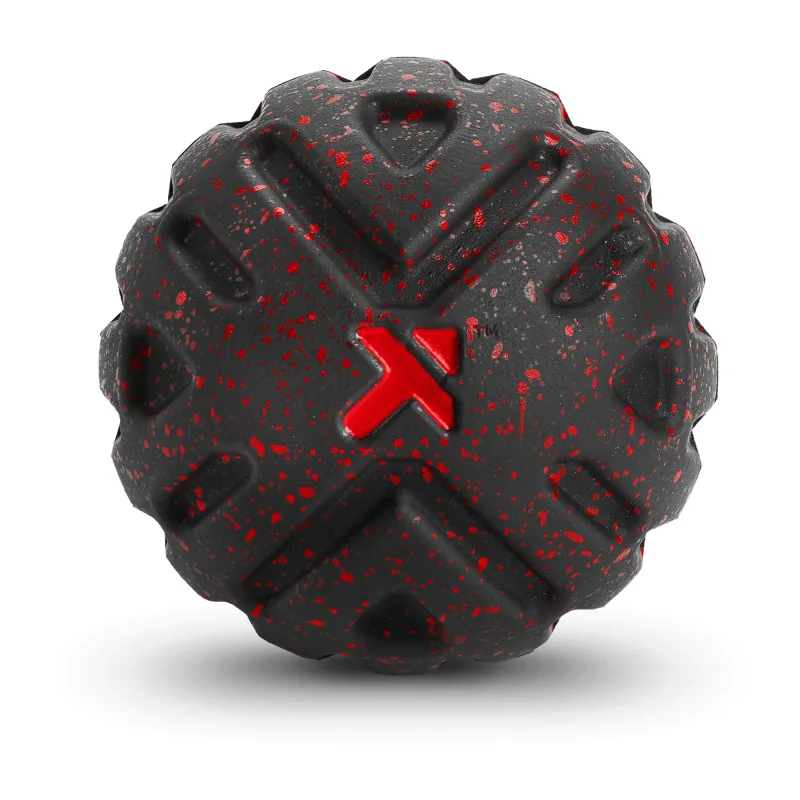
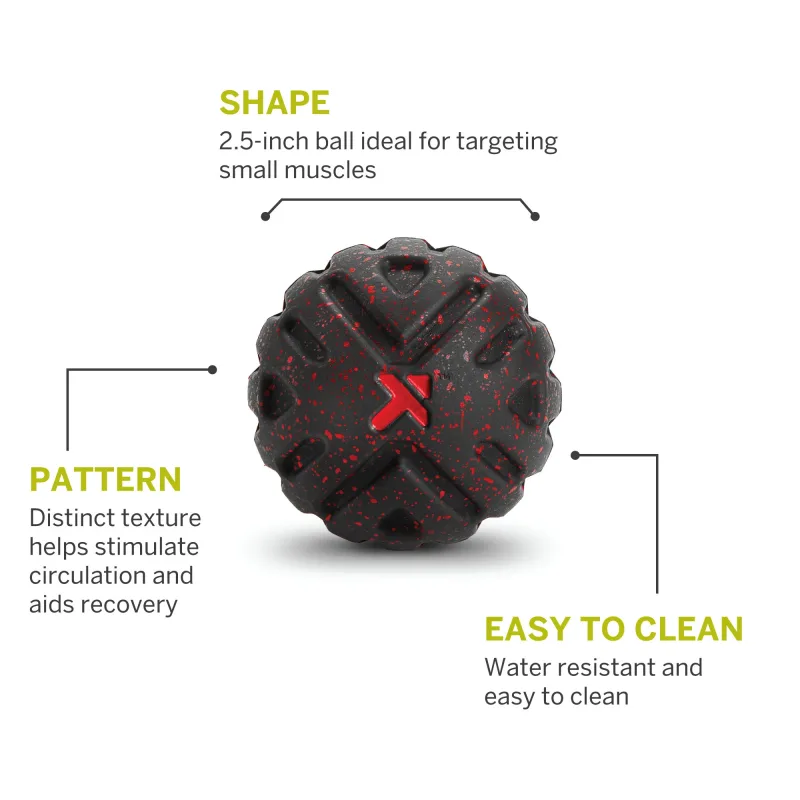
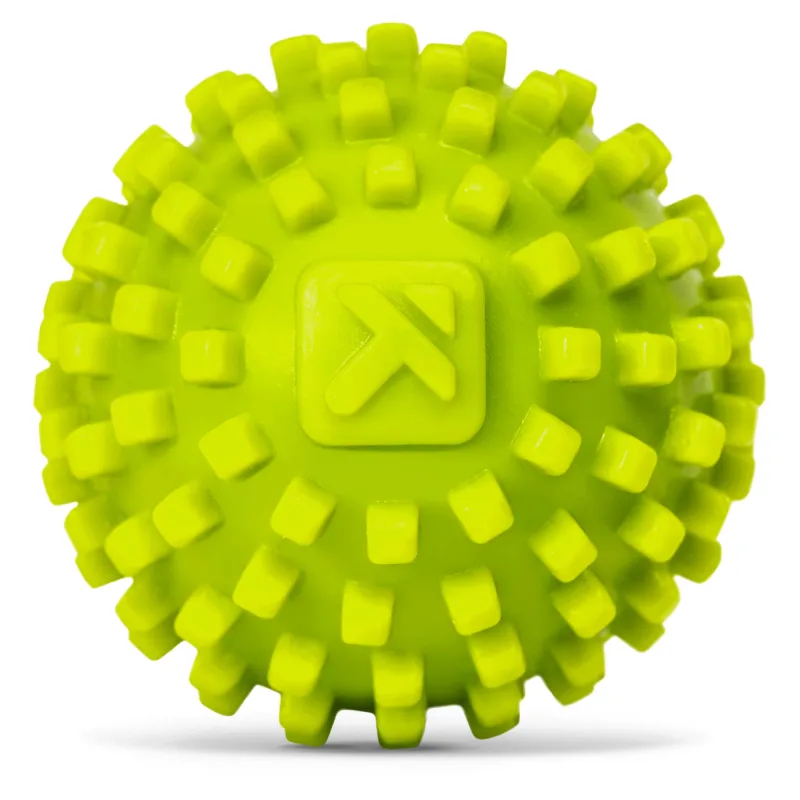
The GRID Ball brings the familiar GRID texture to a compact sphere and works well on the upper back and hips. The MB5 Massage Ball is a versatile mid-size option for glutes and shoulders, while the MB Deep Tissue is built for dense areas where you want focused, sustained pressure. For pinpoint trigger point work, the MobiPoint Massage Ball uses a smaller contact point to dig into stubborn knots.
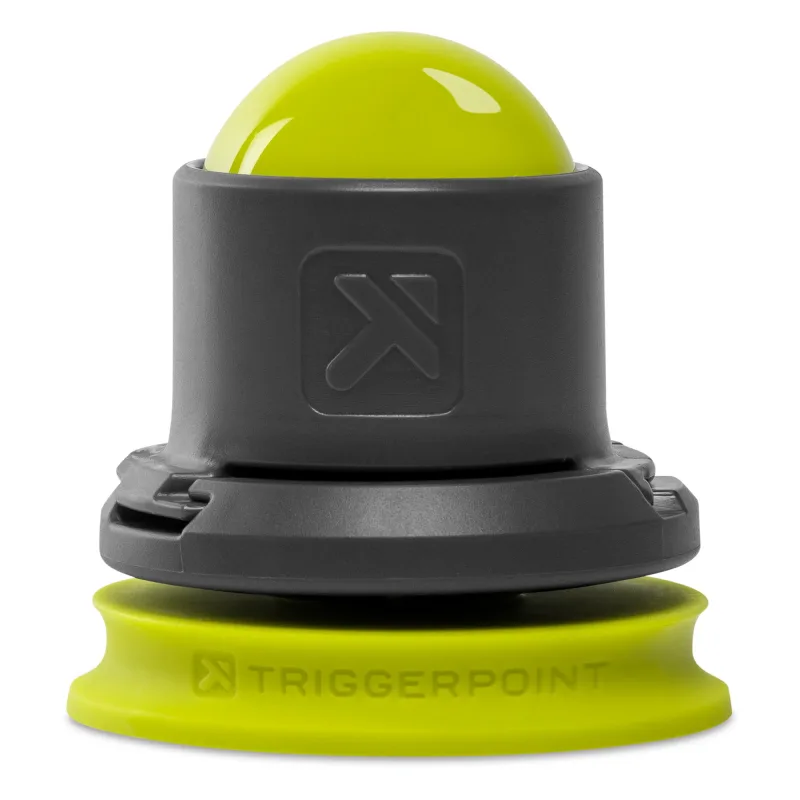
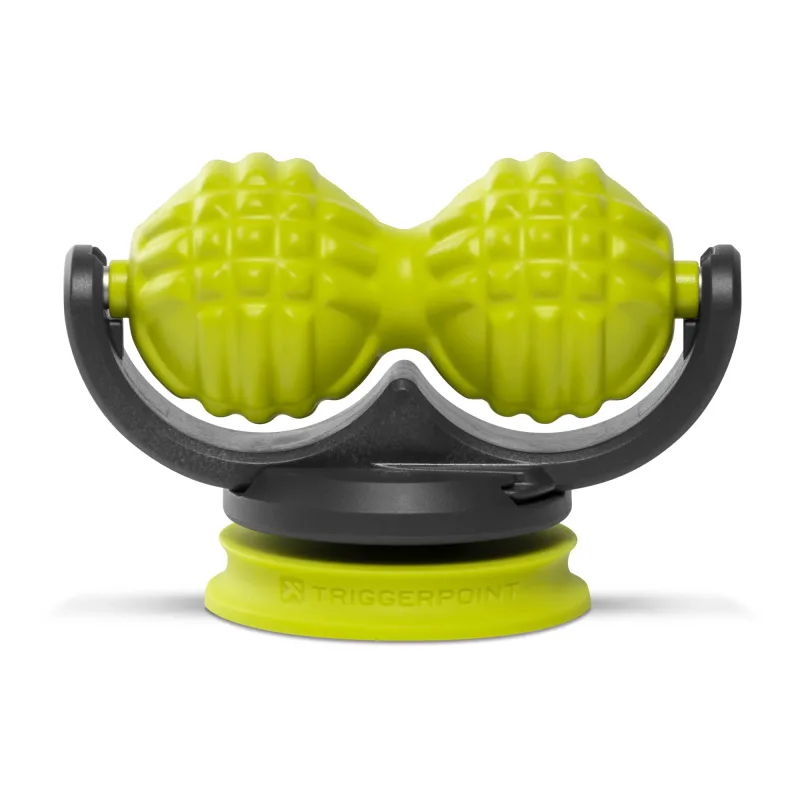
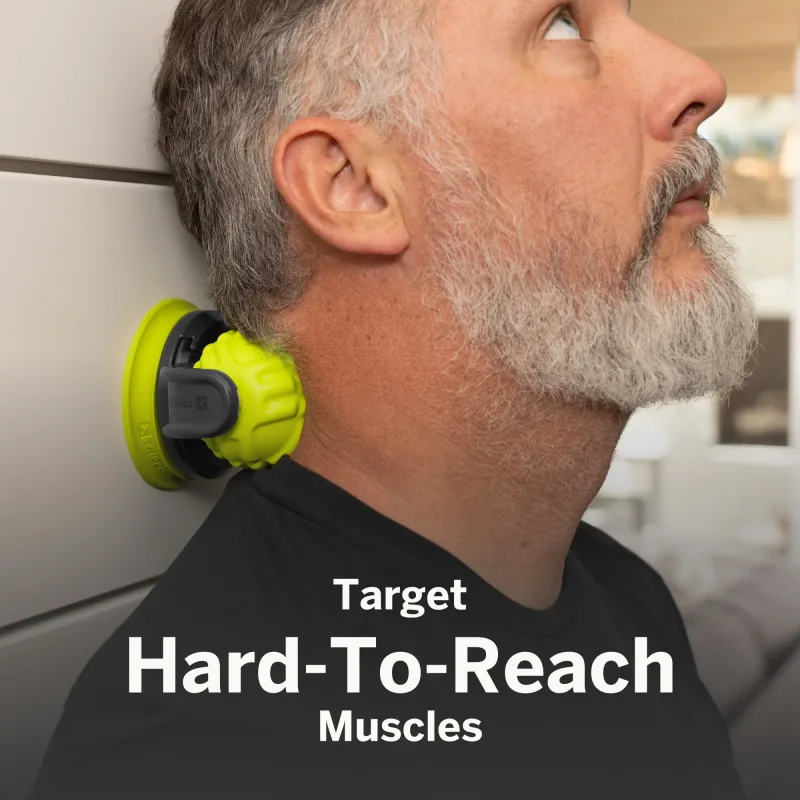
If you want to work hands-free, the Mountable Massage Ball and Mountable Massage Ball Pro attach to a wall or post, so you can lean in and let your body weight do the work.
Handheld and Foot Tools
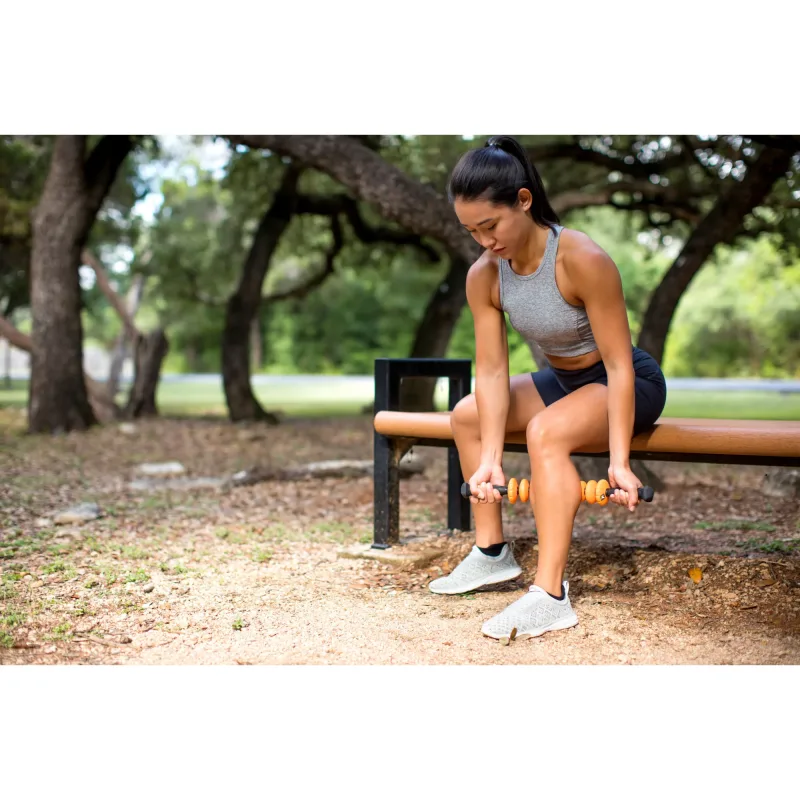
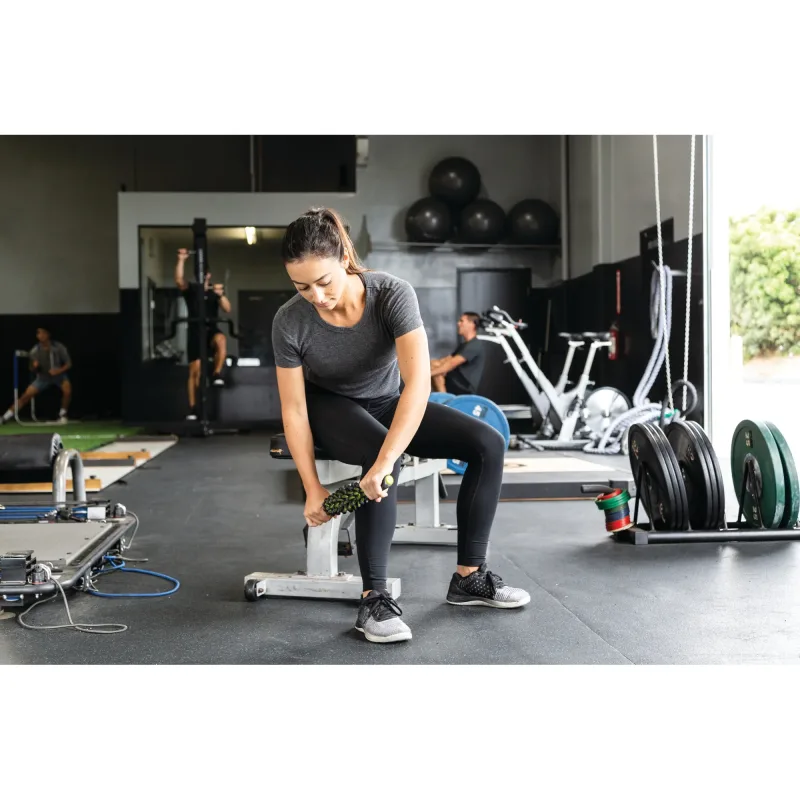
Not every spot responds to a roller or a ball. Handheld tools give you leverage and control, which is useful for the neck, calves, and forearms.
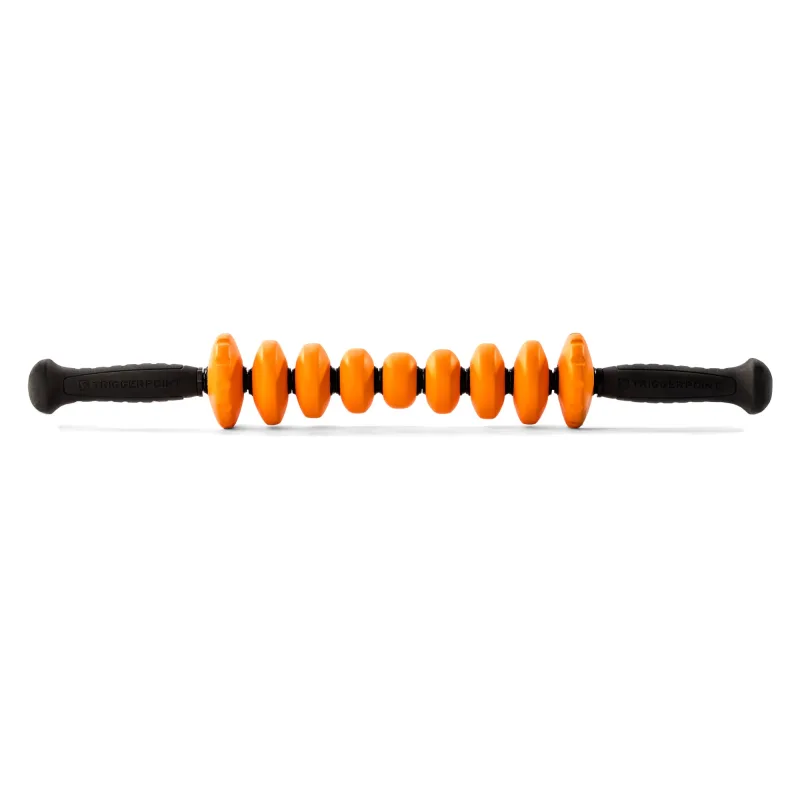
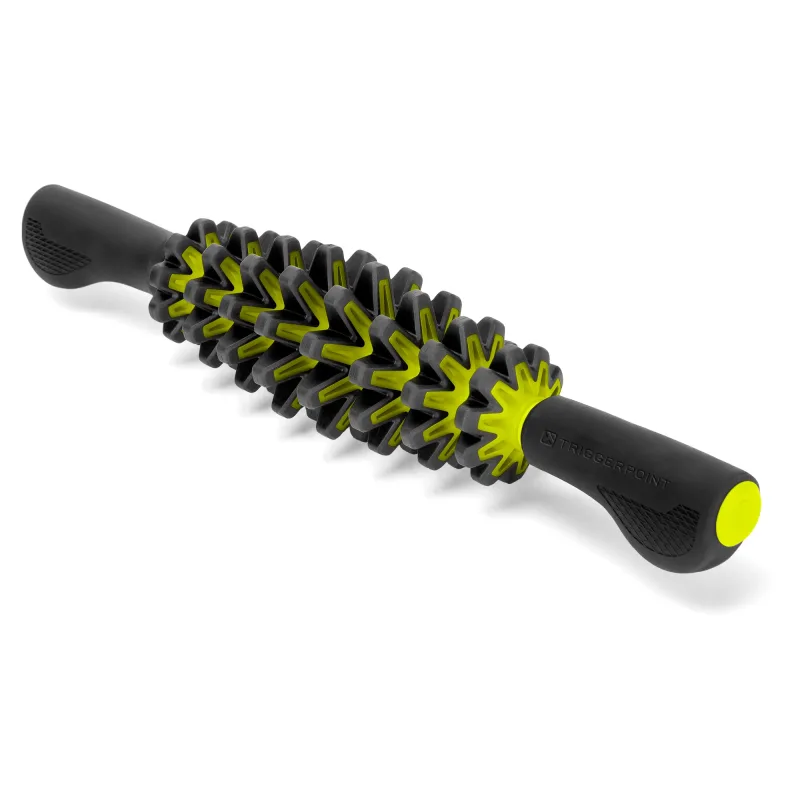
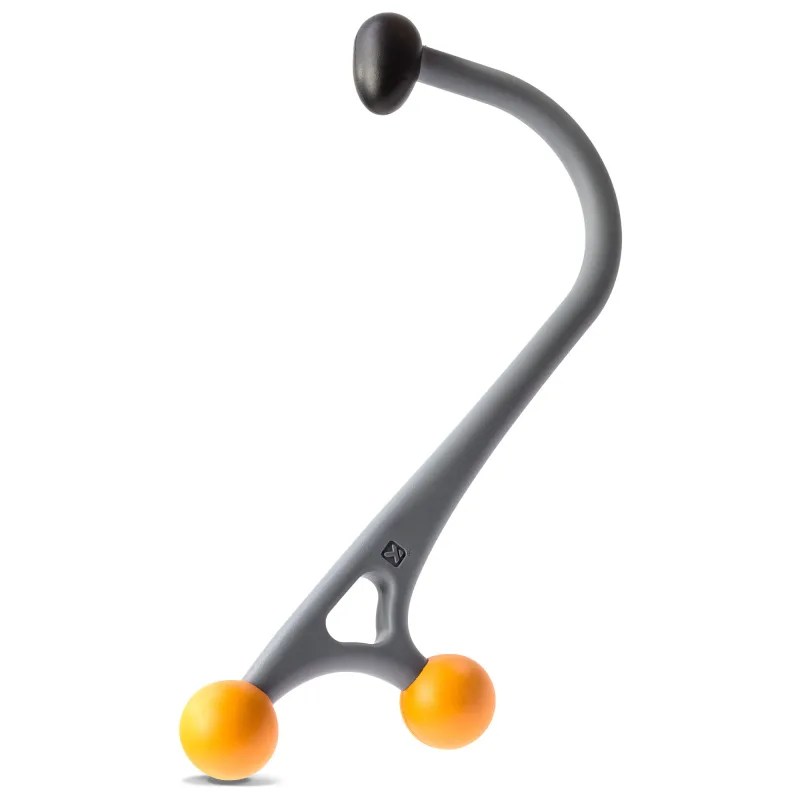
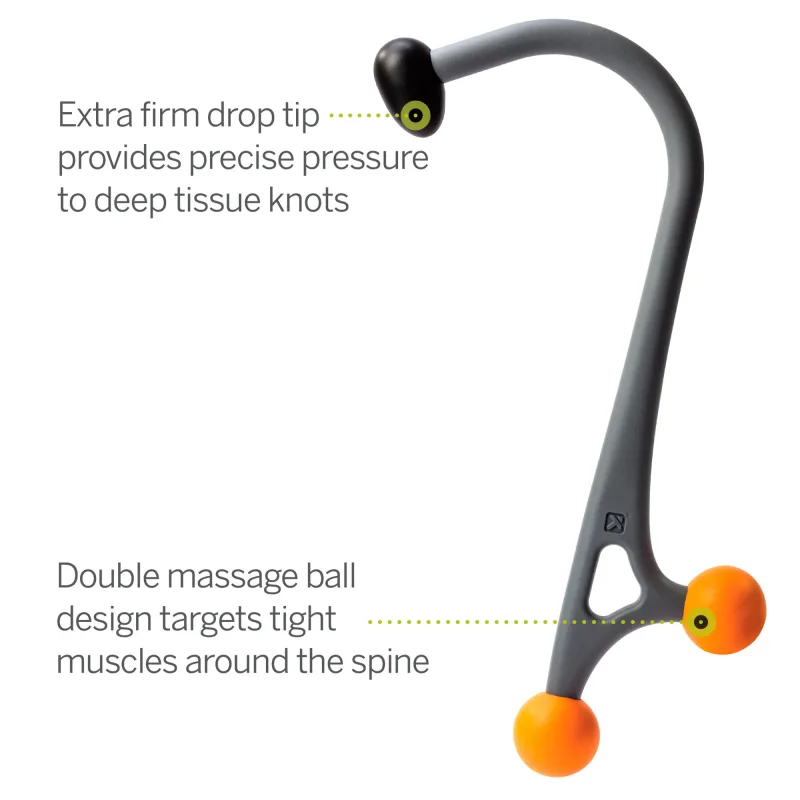
The STK Contour follows the curves of the body for a smooth glide, while the STK Target narrows the contact point for precise work. The AcuCurve Cane reaches the back and shoulders with a hooked design that lets you apply pressure without straining your arms.
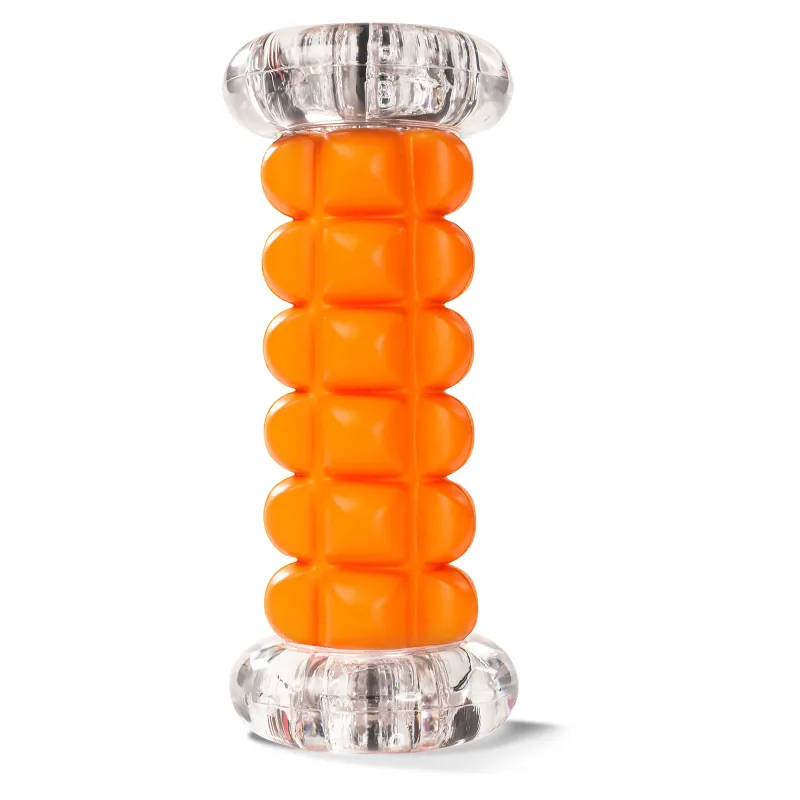
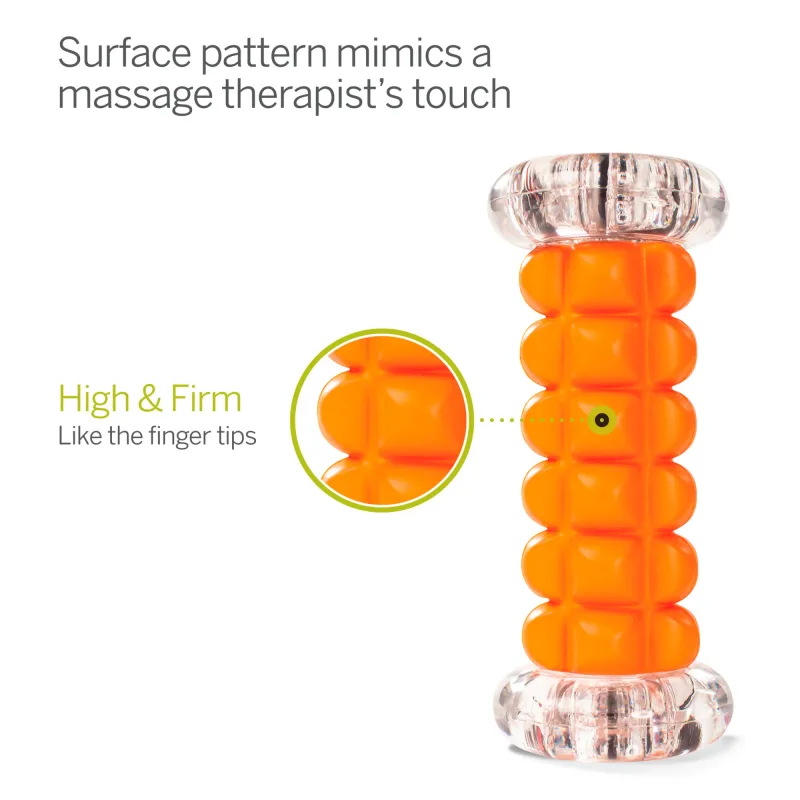
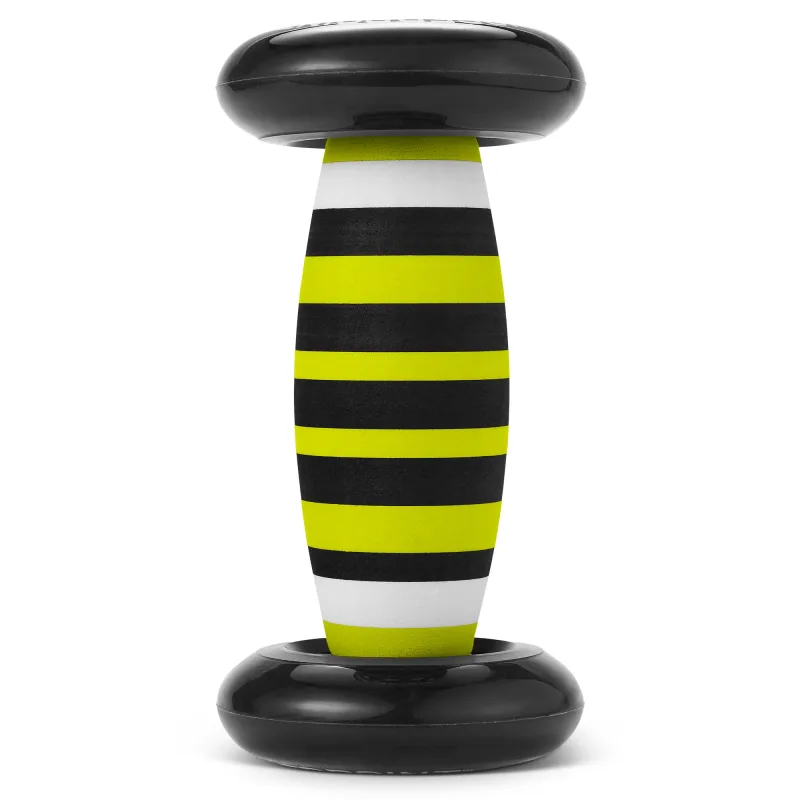
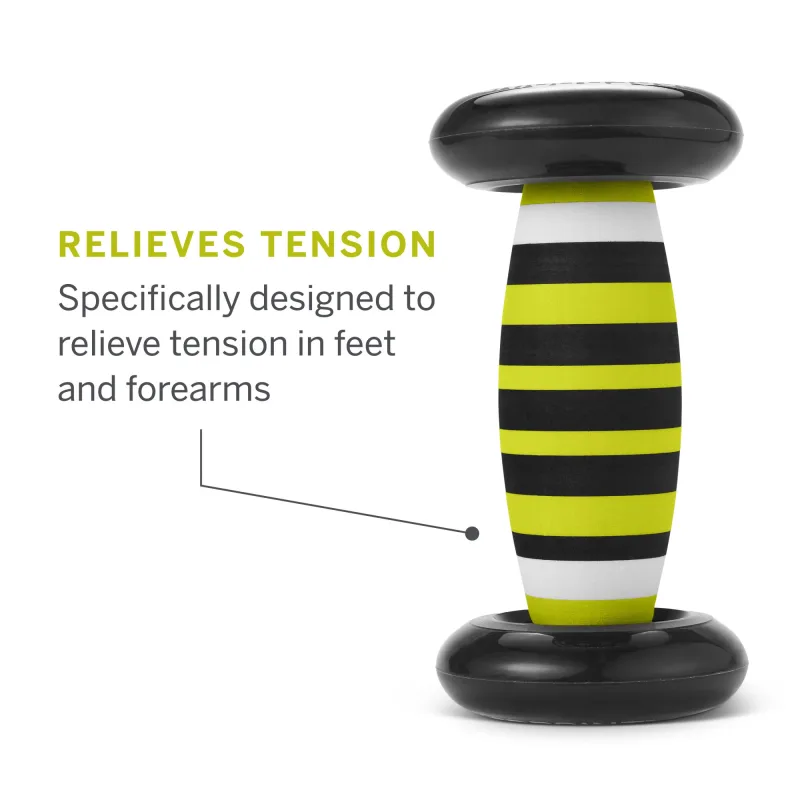
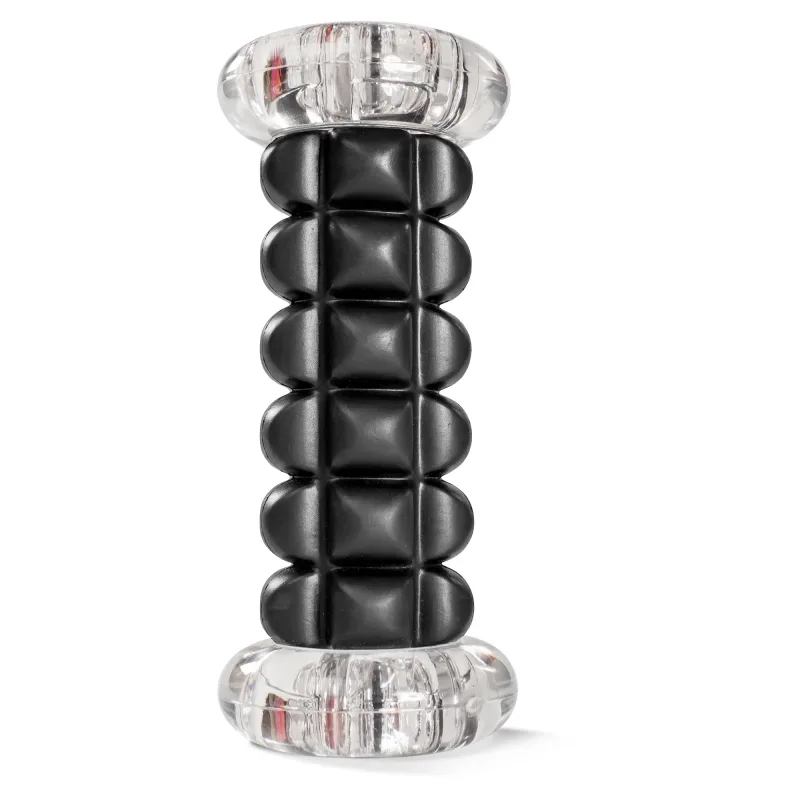
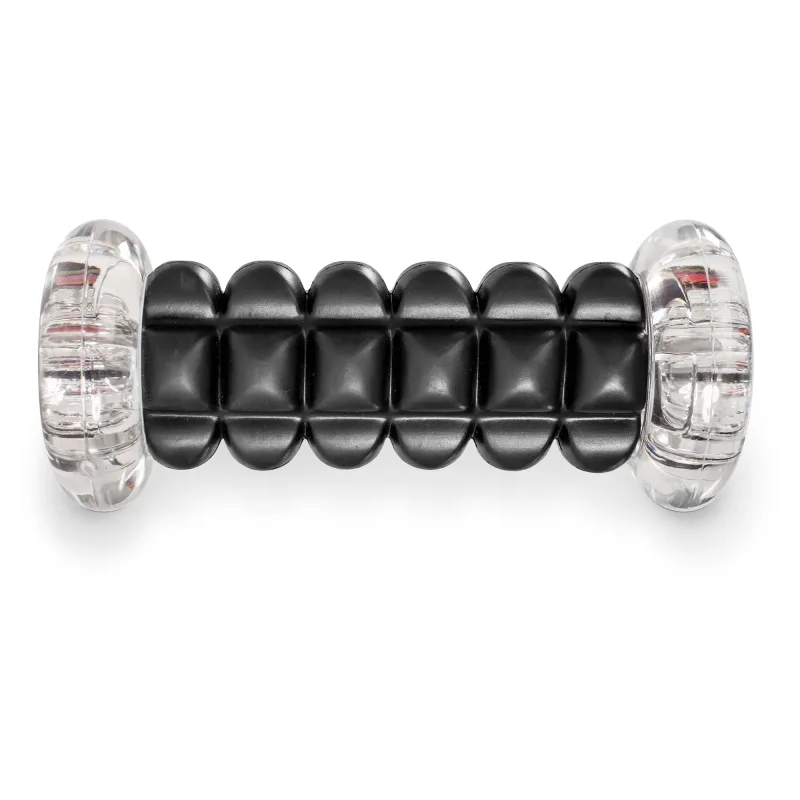
For feet, a dedicated roller is often the easiest solution. The NANO Foot Roller handles general arch and plantar work, while the NANO LTE Foot Roller and NANO X Foot Roller add different densities and textures for a firmer or more stimulating feel.
How to Choose
- Large muscle groups (quads, back, hamstrings): start with a foam roller.
- Small, tight spots (glutes, shoulders, feet): a massage ball gives you the precision you need.
- Hard-to-reach areas: a handheld tool or cane adds leverage.
- Travel and small spaces: compact rollers and balls keep the routine going.
- Sensitive or new to rolling: choose a softer density first, then progress.
Most people end up with both: a roller for the big picture and a ball for the details. Build a short routine you will actually repeat, and let consistency do the rest.