Foam Rollers vs Massage Balls: Which Recovery Tool to Choose
If your legs feel heavy after a long run or your shoulders ache after hours at a desk, you have probably heard that self-myofascial release can help. The question is not whether to add recovery tools to your routine, but which ones actually fit your body and your goals. Foam rollers and massage balls are the two most common options, and they solve different problems. This guide walks through how each category works, which models exist, and how to build a simple routine that covers your whole body.
Why Recovery Tools Matter for Tight Muscles
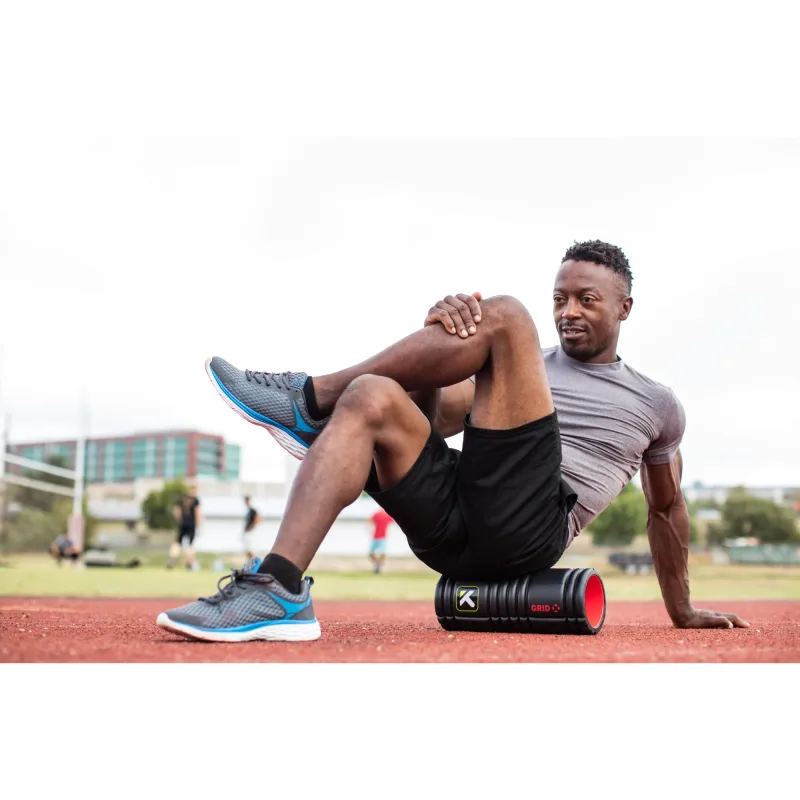
Repetitive movement, long periods of sitting, and hard training all create tension in the connective tissue around your muscles. Self-massage with a roller or ball applies compression to those areas, which can improve how your tissue moves and how your joints feel afterward. The key is matching the tool to the area. Large, flat surfaces like the quads and back respond well to a roller, while smaller, denser spots like the glutes, calves, and shoulders need a more targeted shape.
Consistency matters more than intensity. A few minutes of rolling before or after activity, done regularly, tends to feel better than an aggressive session once a month.
Foam Rollers Explained
Foam rollers are the workhorse of recovery. They cover broad muscle groups, support your body weight comfortably, and are easy to learn. The main differences between models come down to surface texture, density, and length.
Textured rollers for general use
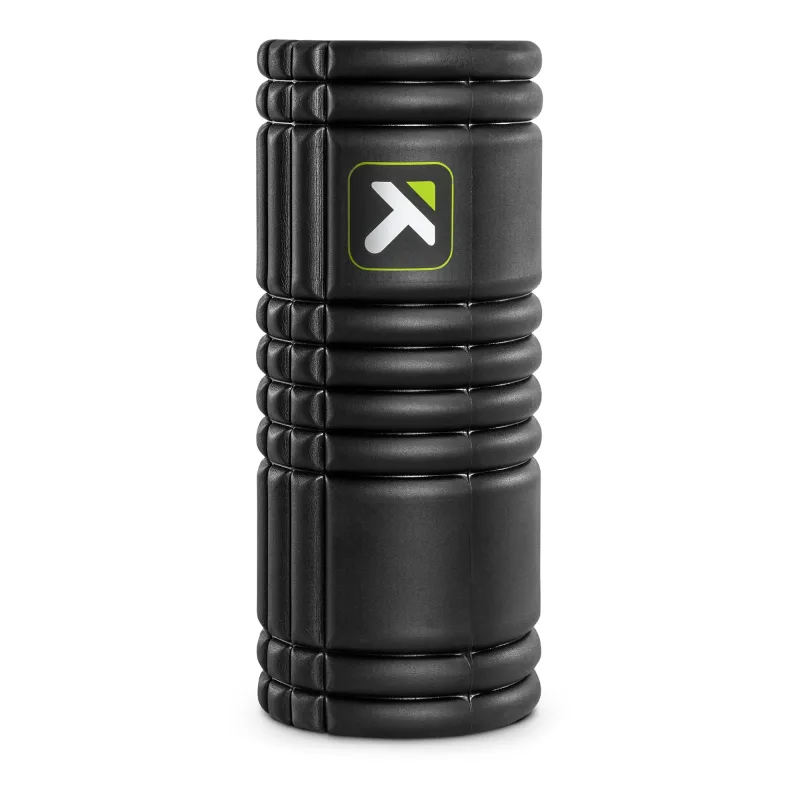
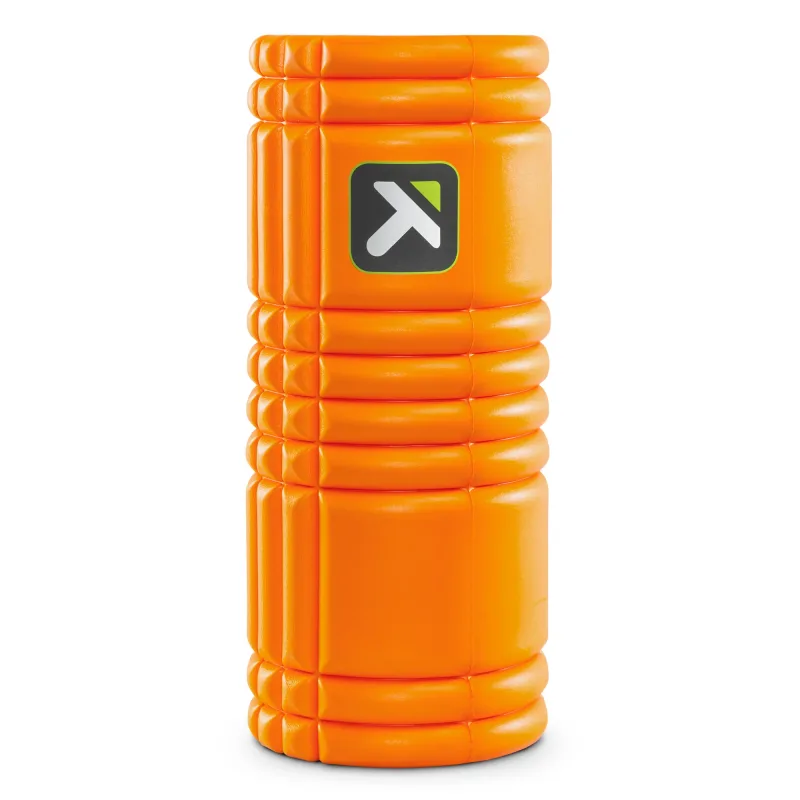
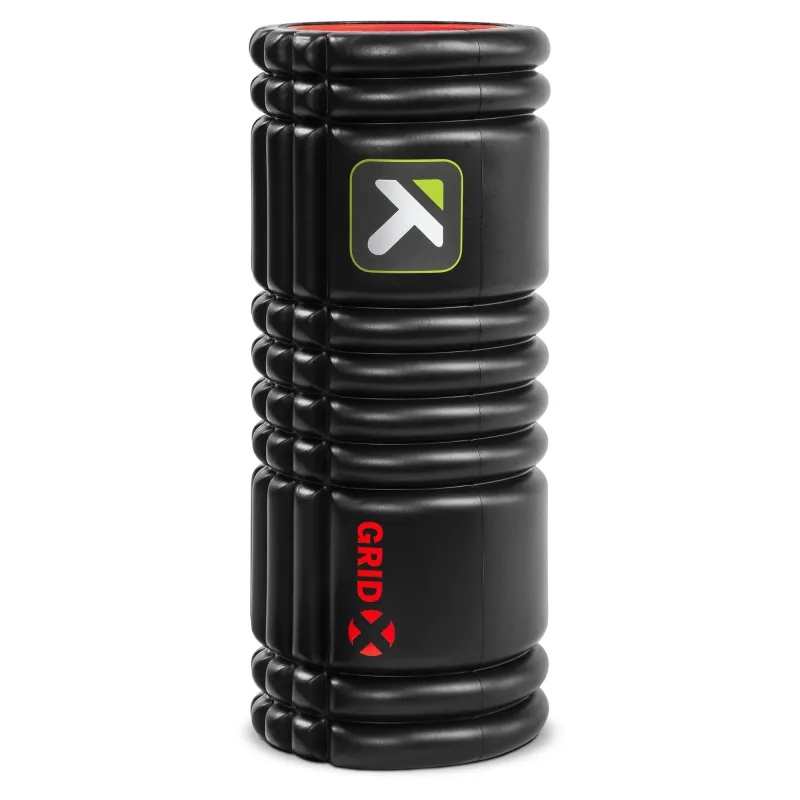
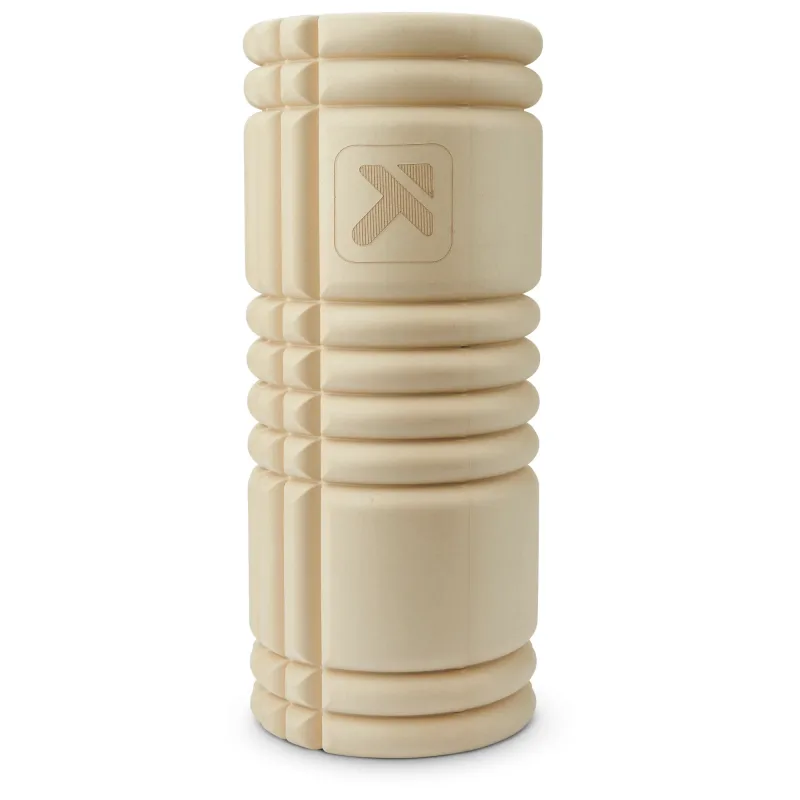
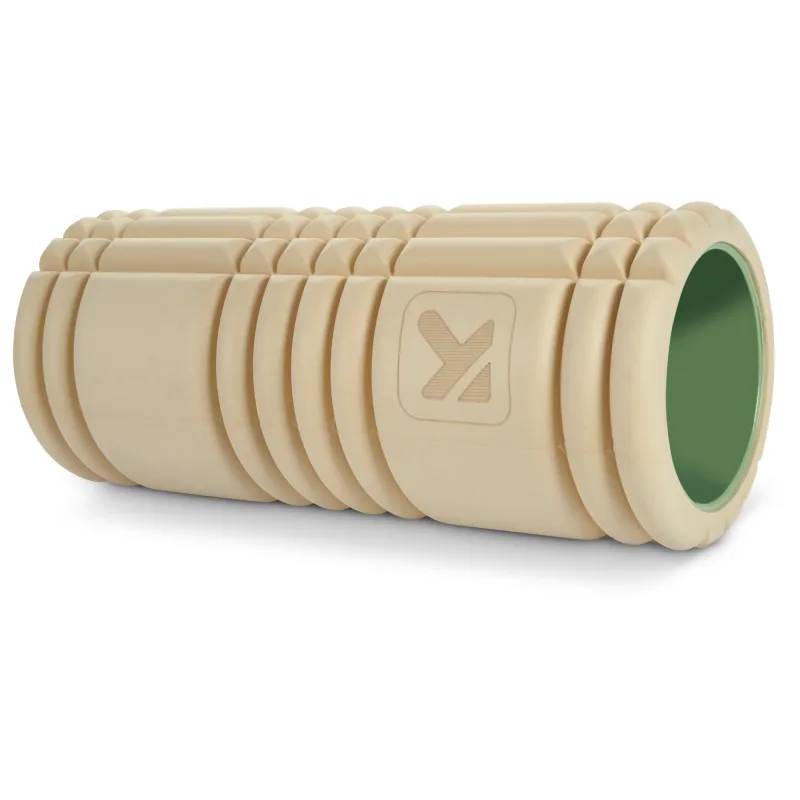
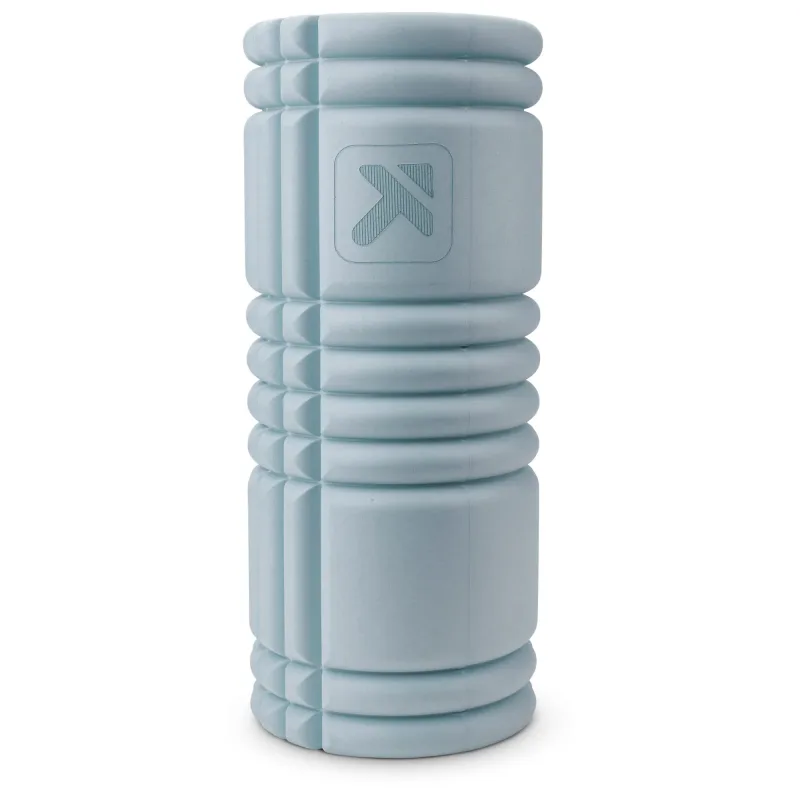
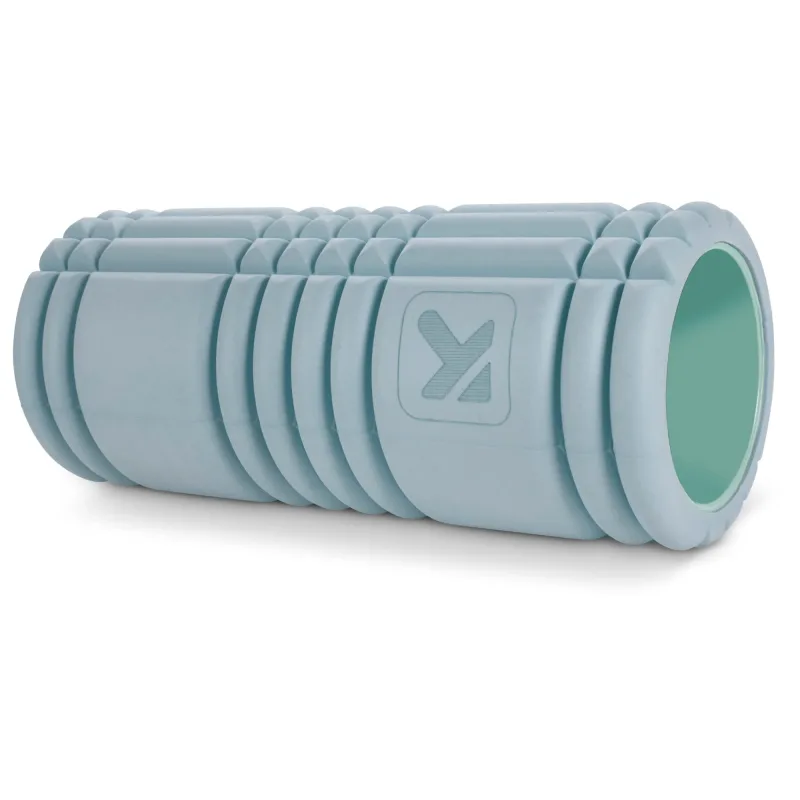
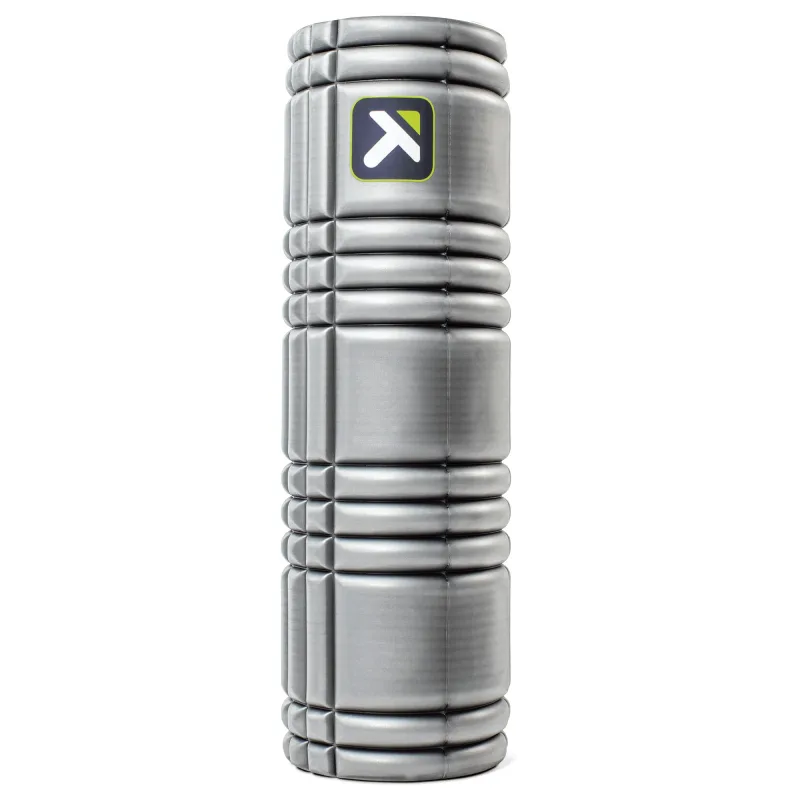
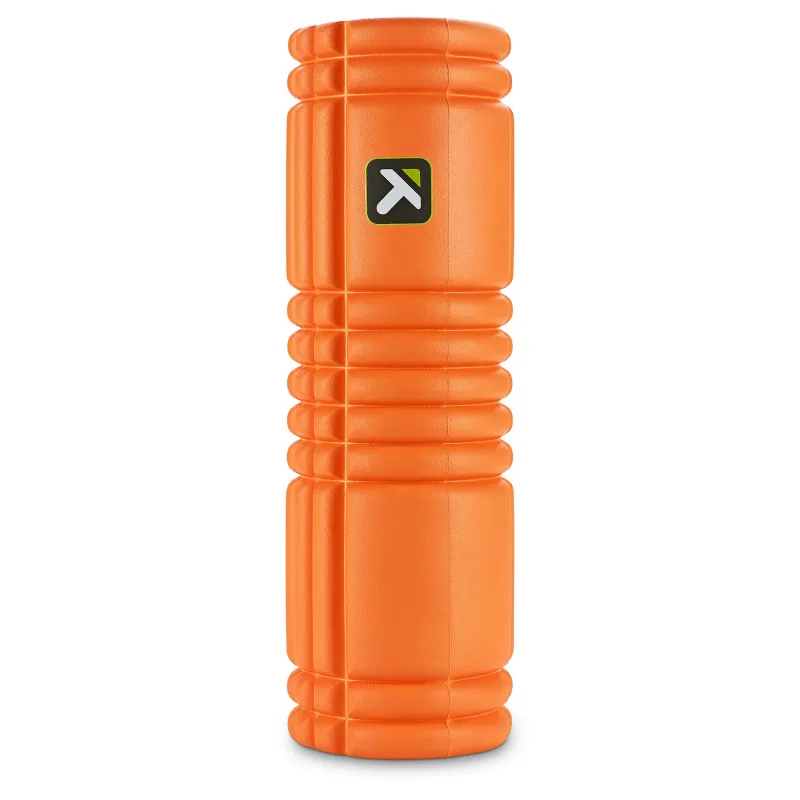
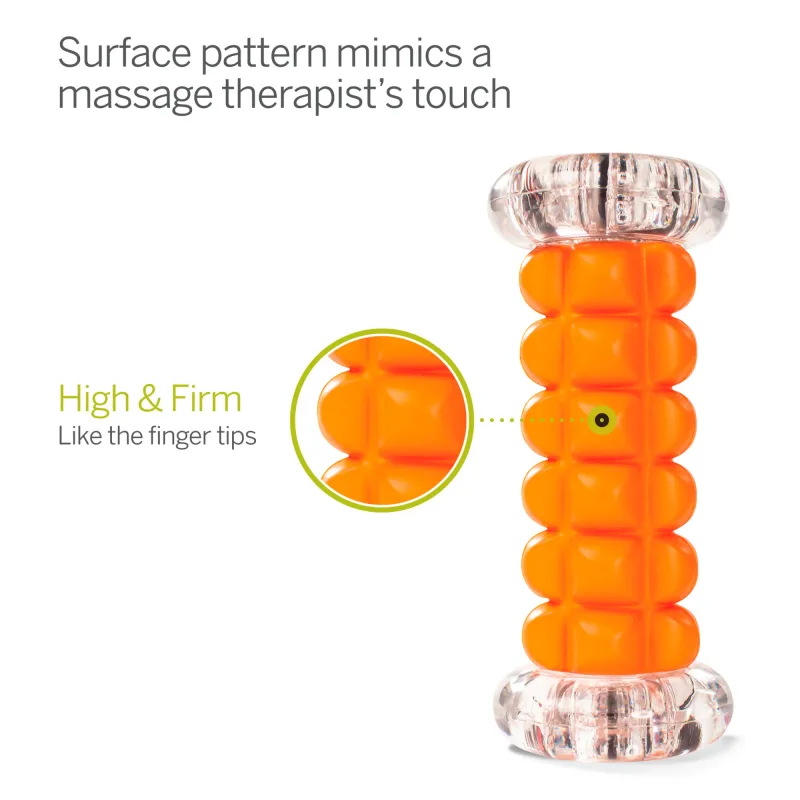
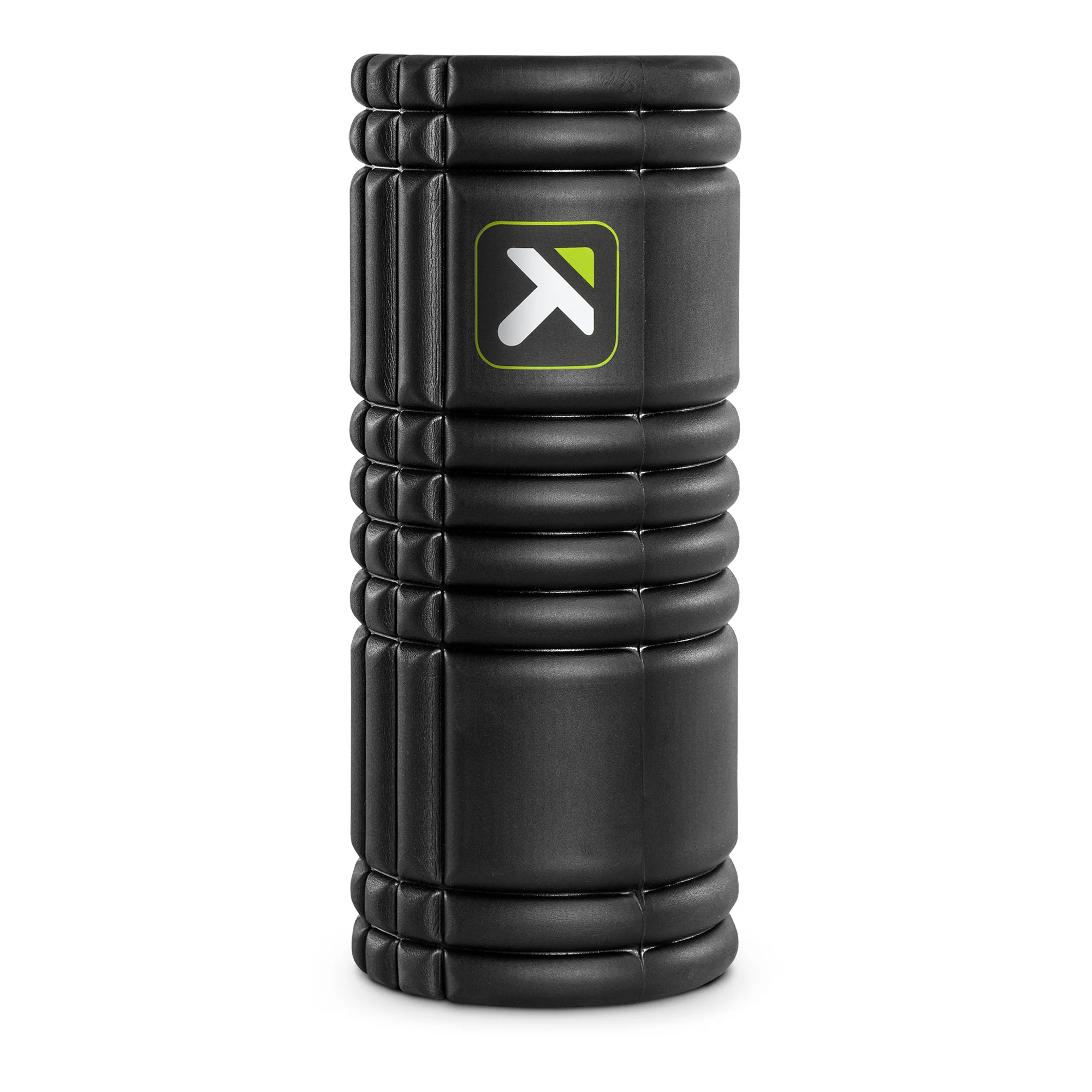
The GRID 1.0 Foam Roller is a classic starting point. Its patented surface is designed to mimic the feeling of hands during a massage, with zones that channel blood flow while you roll. If you want a firmer, more aggressive feel for larger muscle groups, the GRID X Foam Roller adds a denser core and a more pronounced texture.
If sustainability is part of your decision, the Eco GRID 1.0 Foam Roller and the Recycled GRID 1.0 Foam Roller use recycled materials without giving up the familiar GRID feel.
Gentle and beginner-friendly rollers
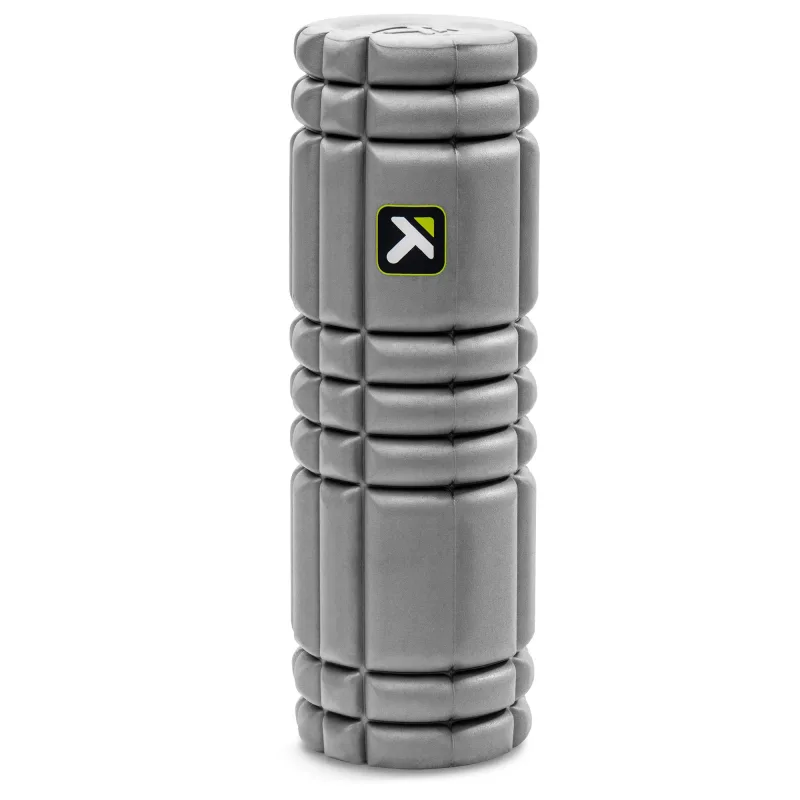
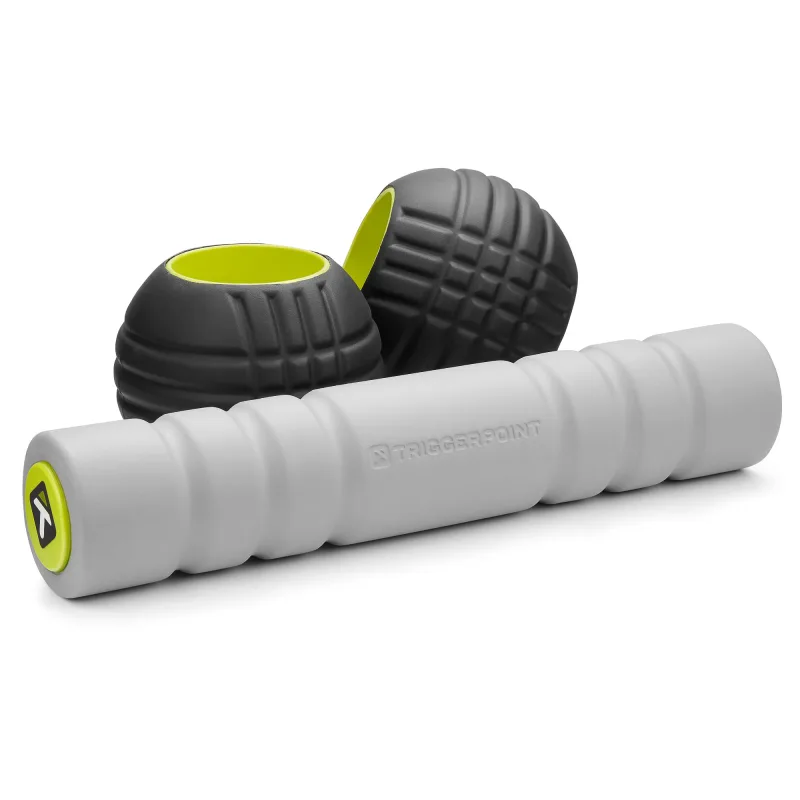
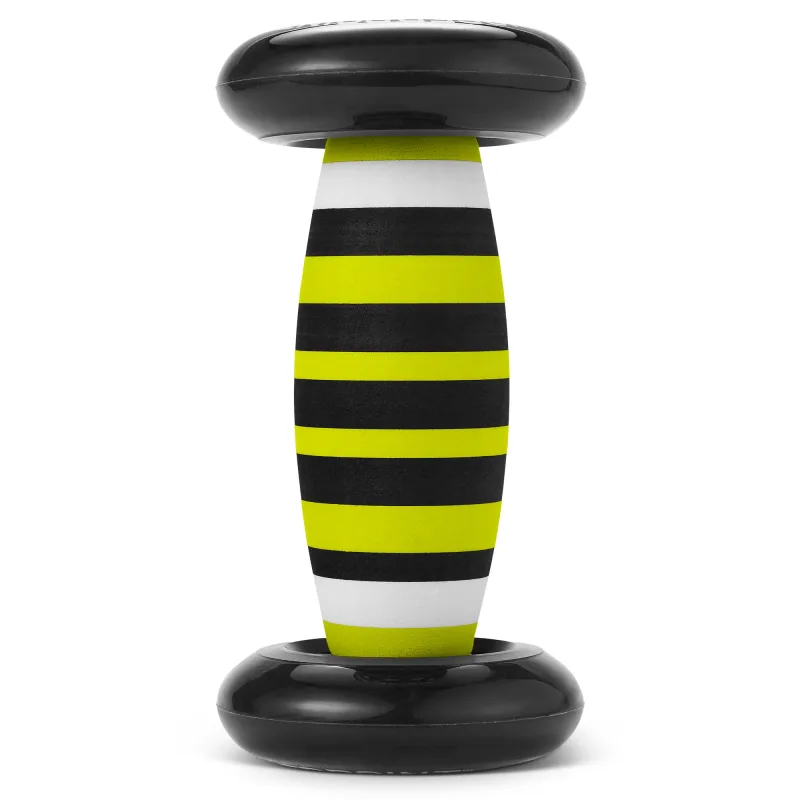
Not everyone wants deep pressure on day one. The Foundations Roller offers a softer, more forgiving surface, which makes it a good choice for newcomers, older athletes, or anyone returning to activity after time off. The CORE Foam Roller is another approachable option for light, everyday maintenance.
Specialty rollers
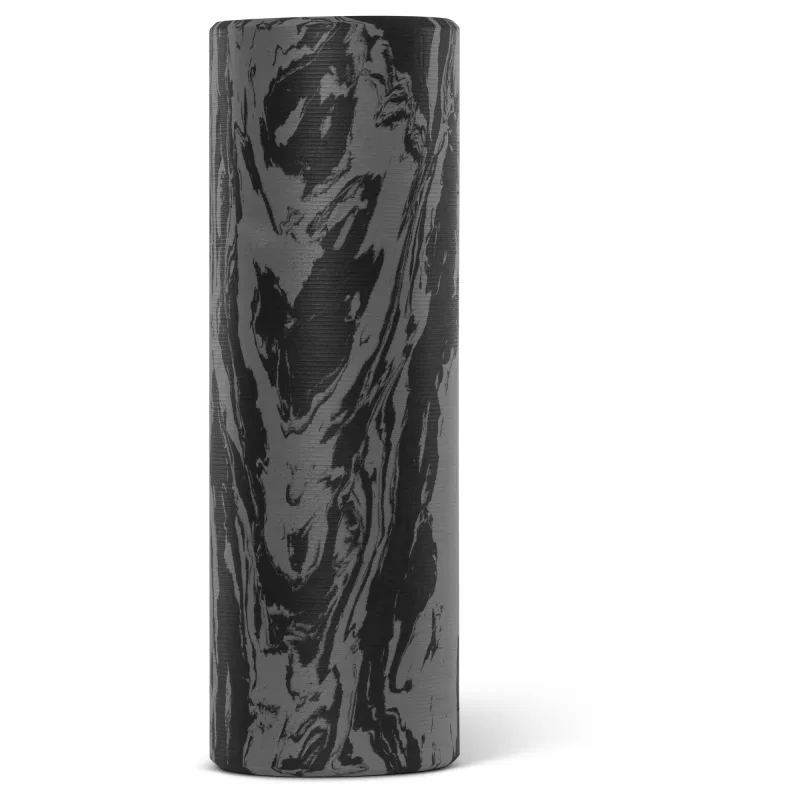
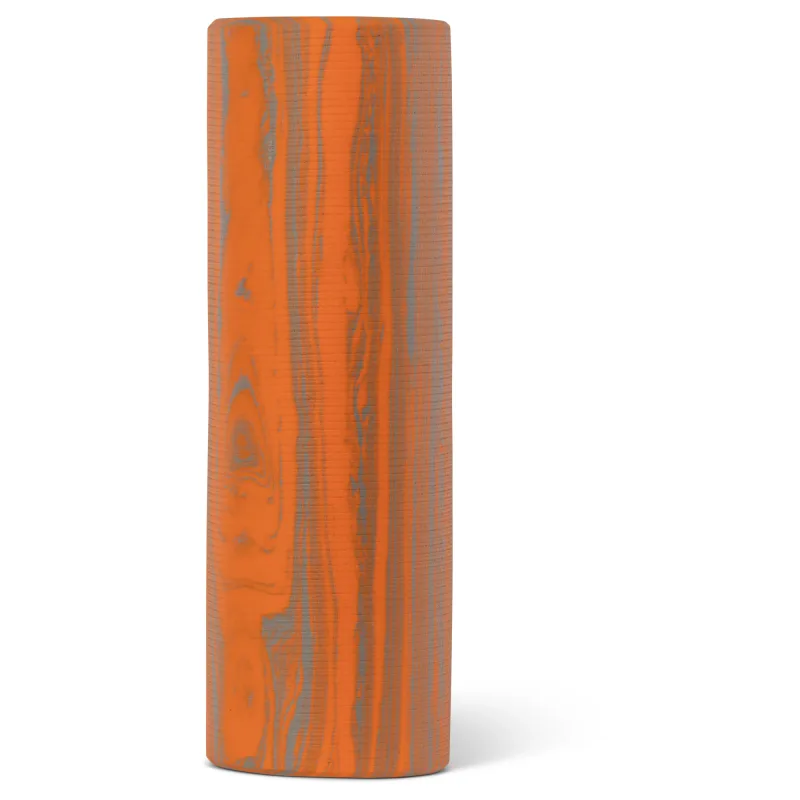
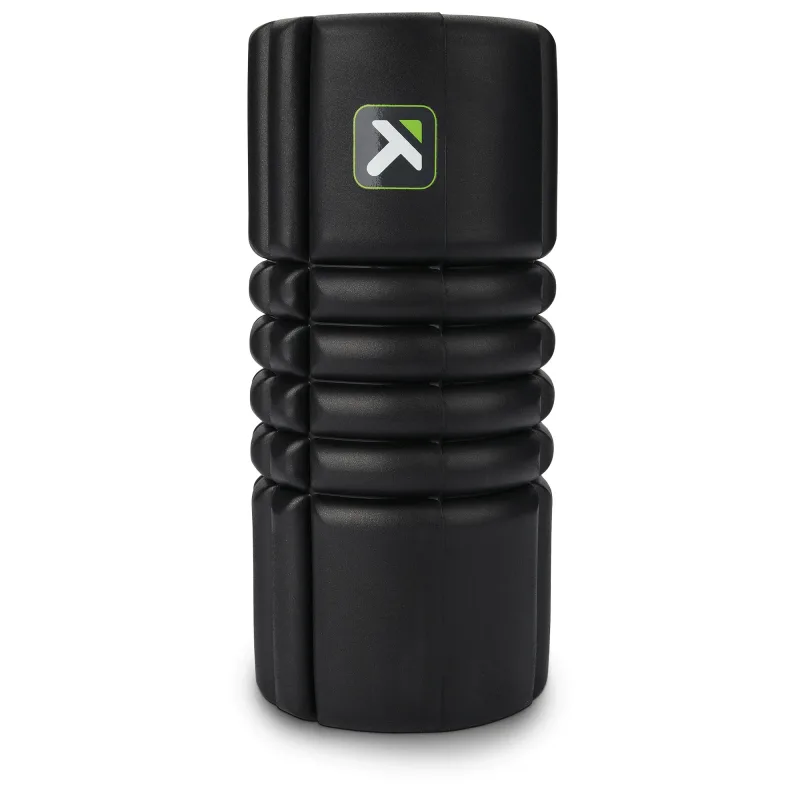
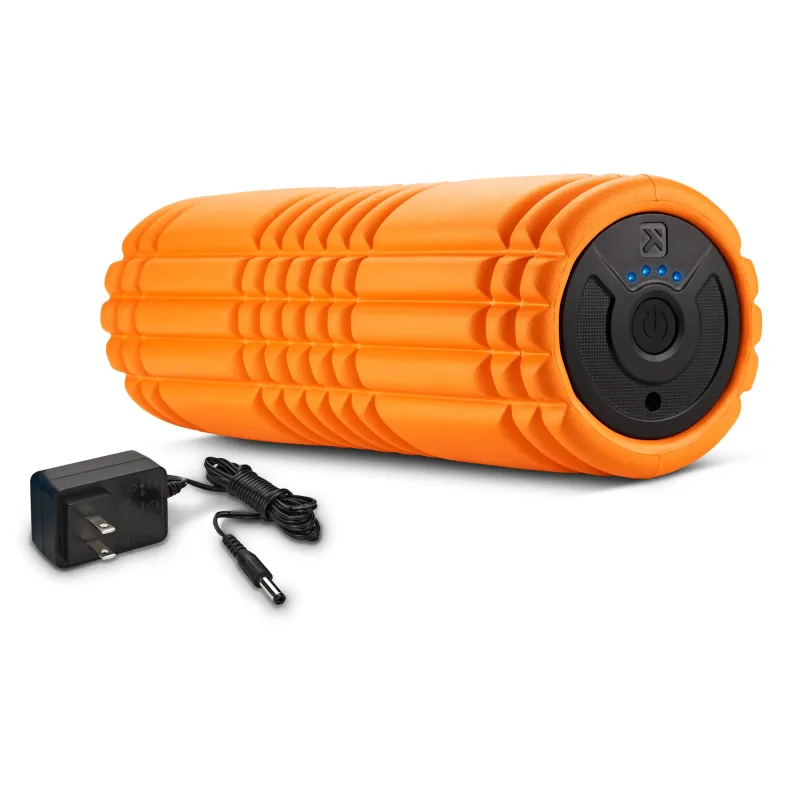
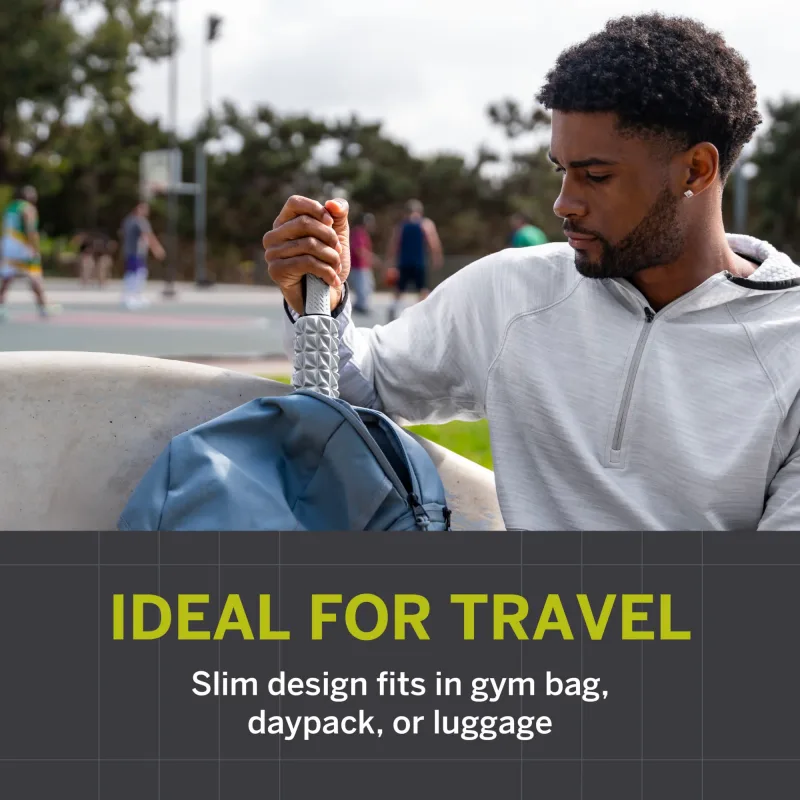
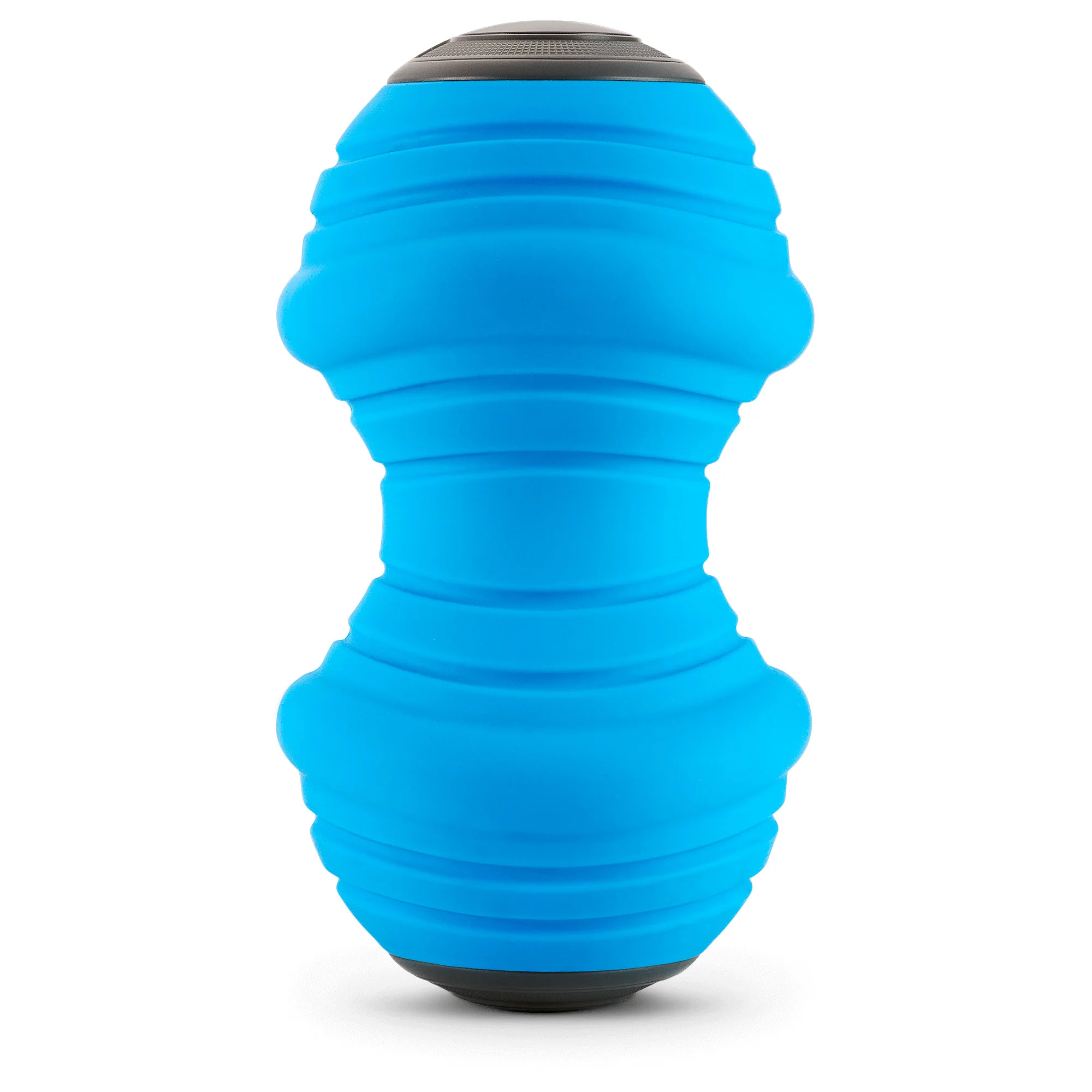
Some rollers are built for specific needs. The Transformer Roller is designed to be compact and versatile, while the GRID Travel is sized for a gym bag or carry-on. If vibration appeals to you, the GRID VIBE Plus and CHARGE Vibe add pulsation to the rolling surface, which some people find helps them relax into the pressure more quickly.
Massage Balls Explained
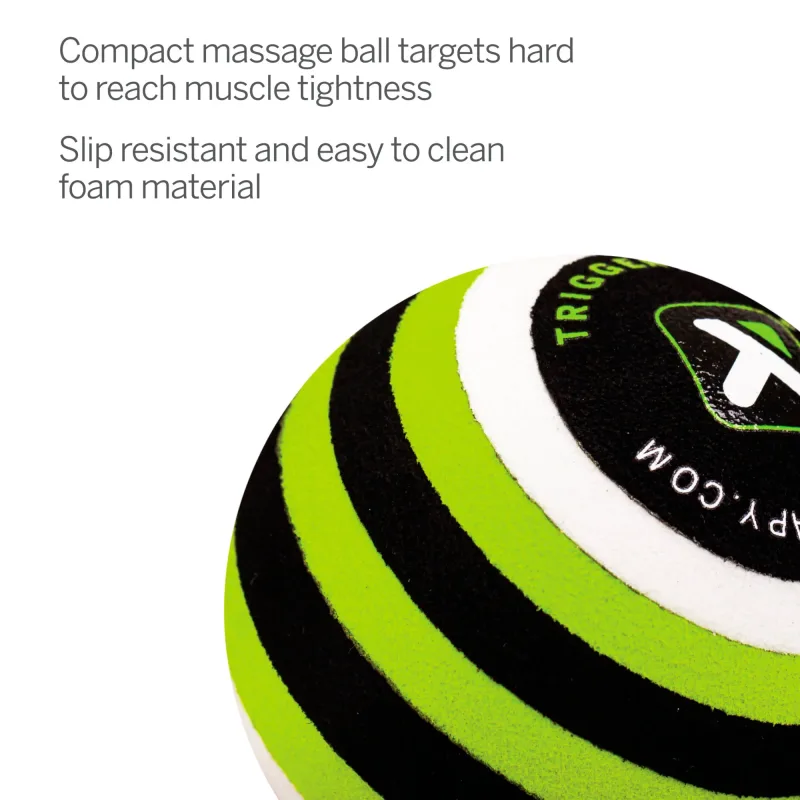
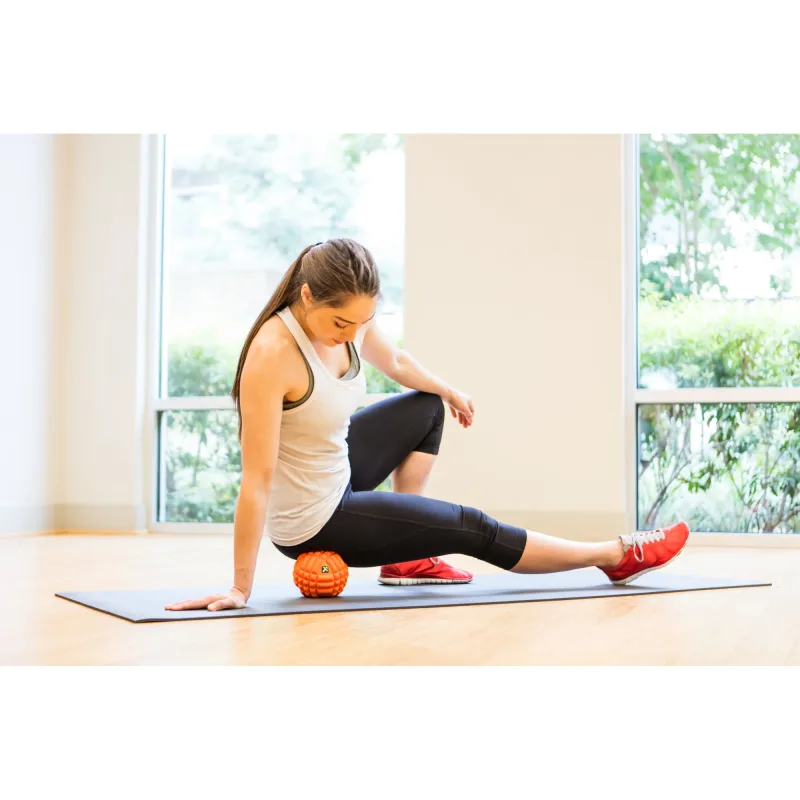
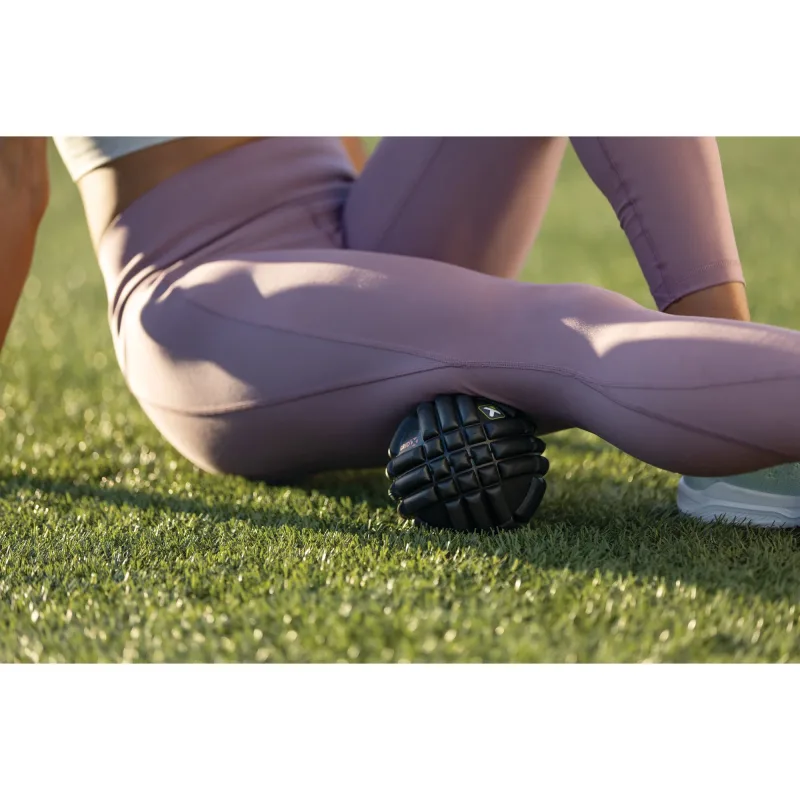
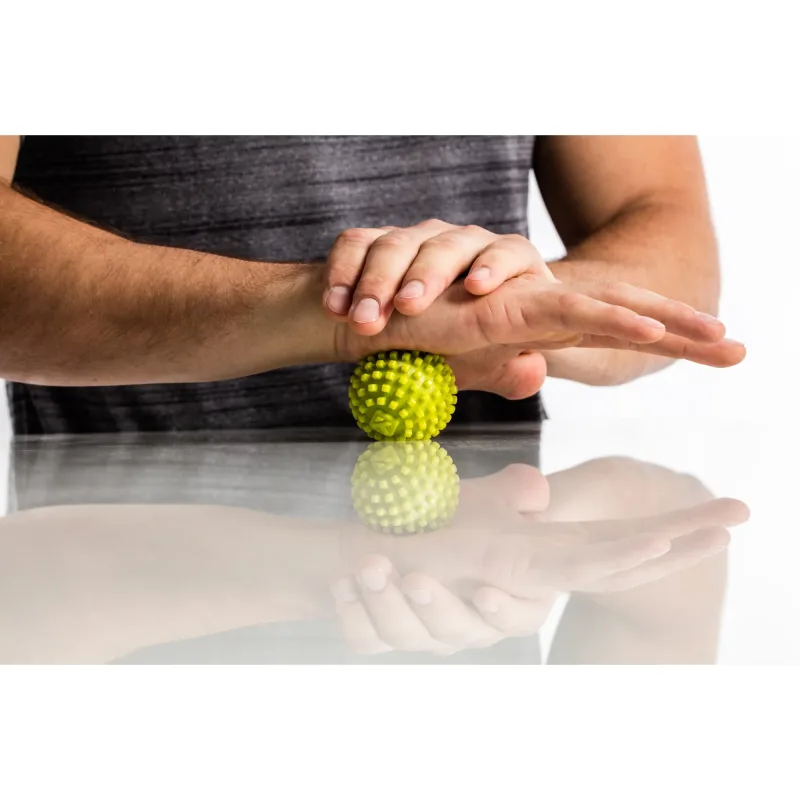
Massage balls go where rollers cannot. They concentrate pressure into a small area, which makes them ideal for the glutes, hip flexors, upper back, and the arches of your feet. Because they are small, you can also pin them against a wall or the floor and control the pressure precisely.
Everyday and deep tissue options
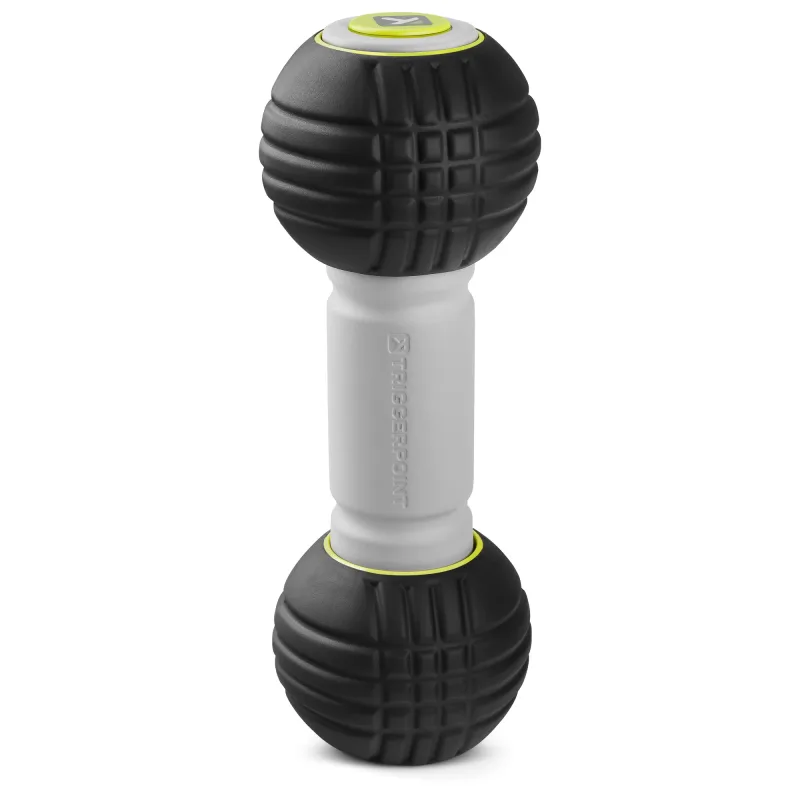
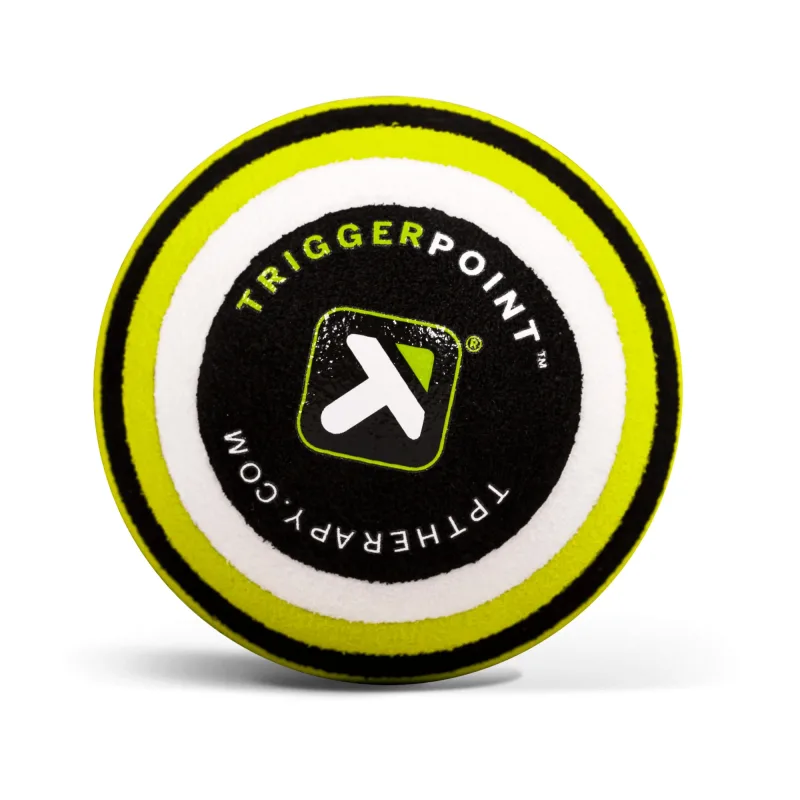
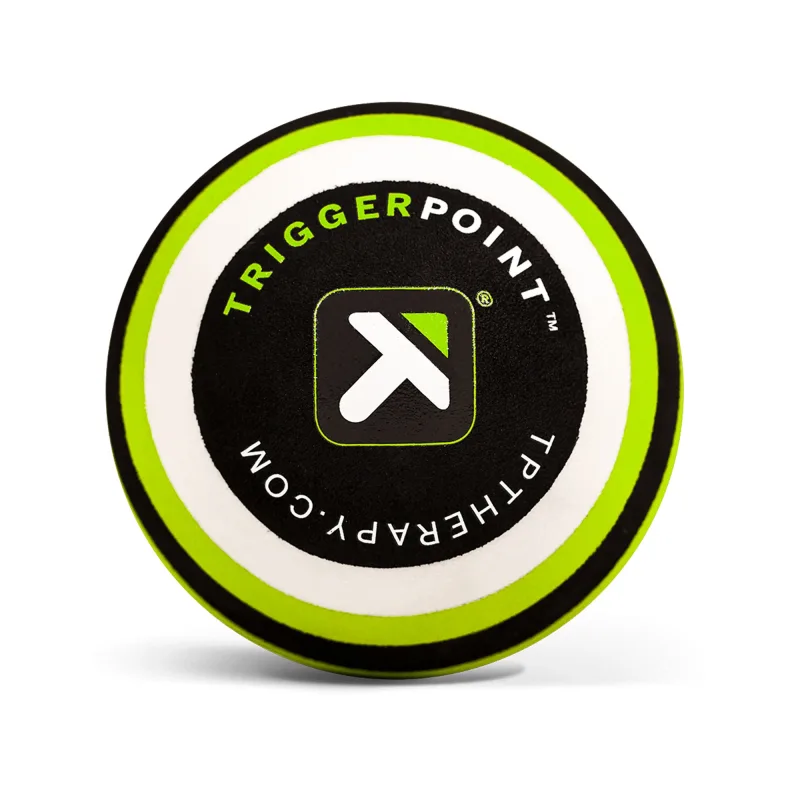
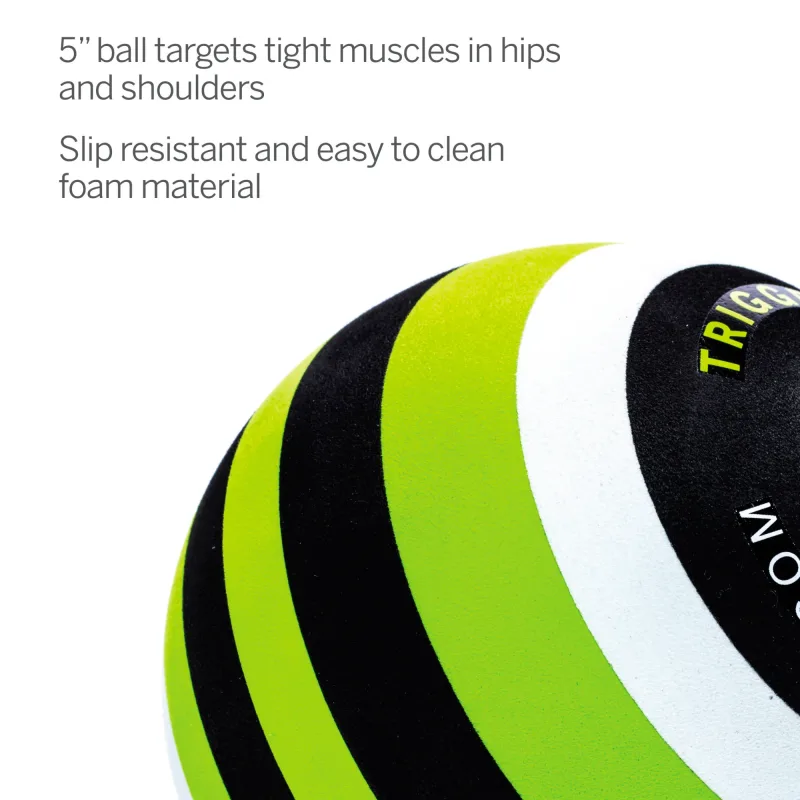
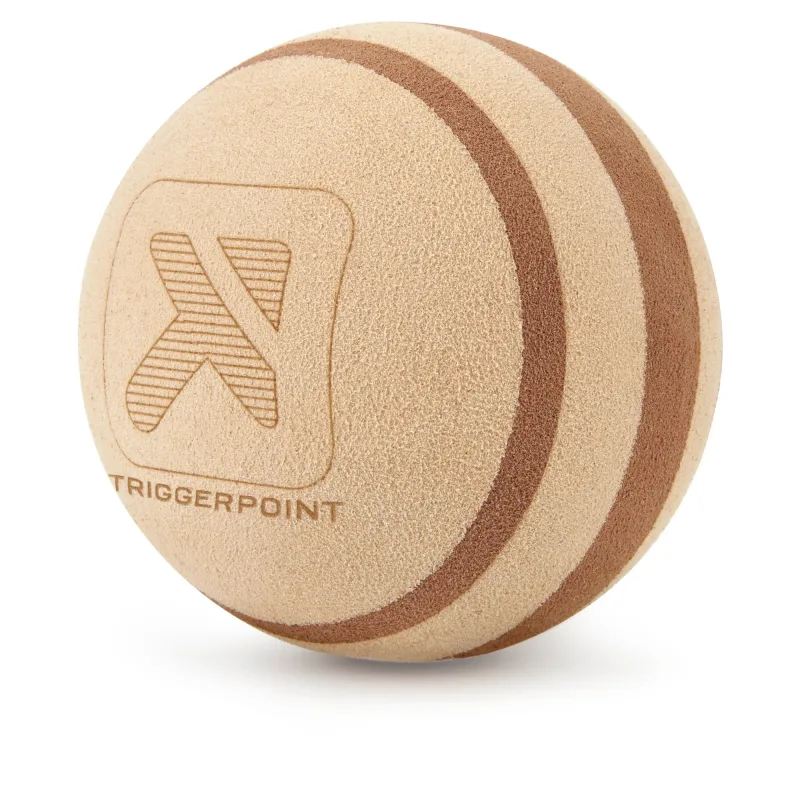
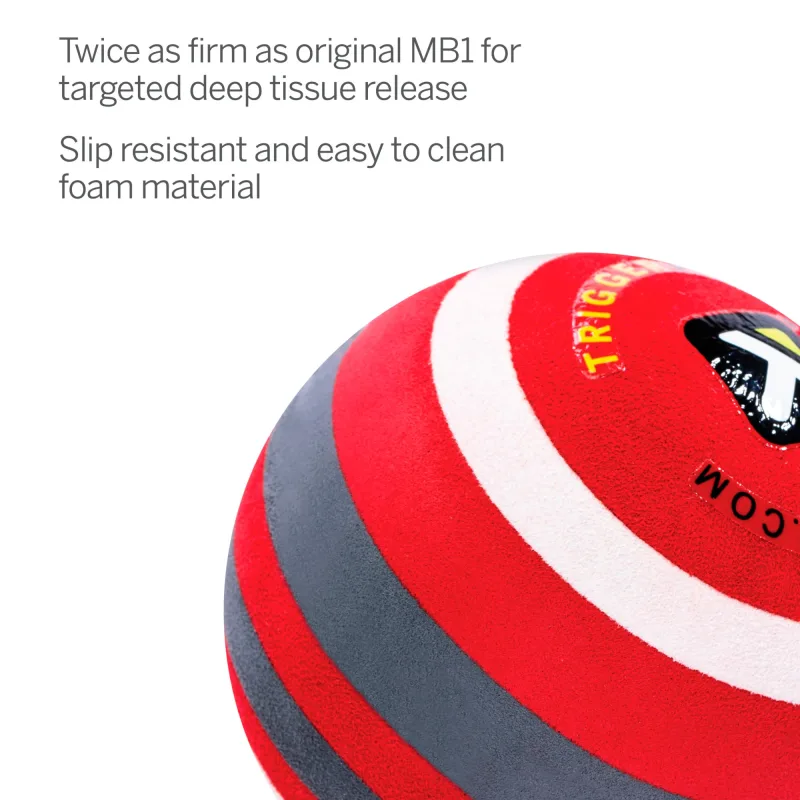
The MB1 Massage Ball is a solid, general-purpose choice for pinpoint work. When you need to get into stubborn knots, the MB Deep Tissue is firmer and denser. The MB5 Massage Ball sits in between, with a slightly larger size that works well on the hips and shoulders, and the MB5 Eco Massage Ball offers the same idea in a more sustainable build.
Textured balls for grip and precision
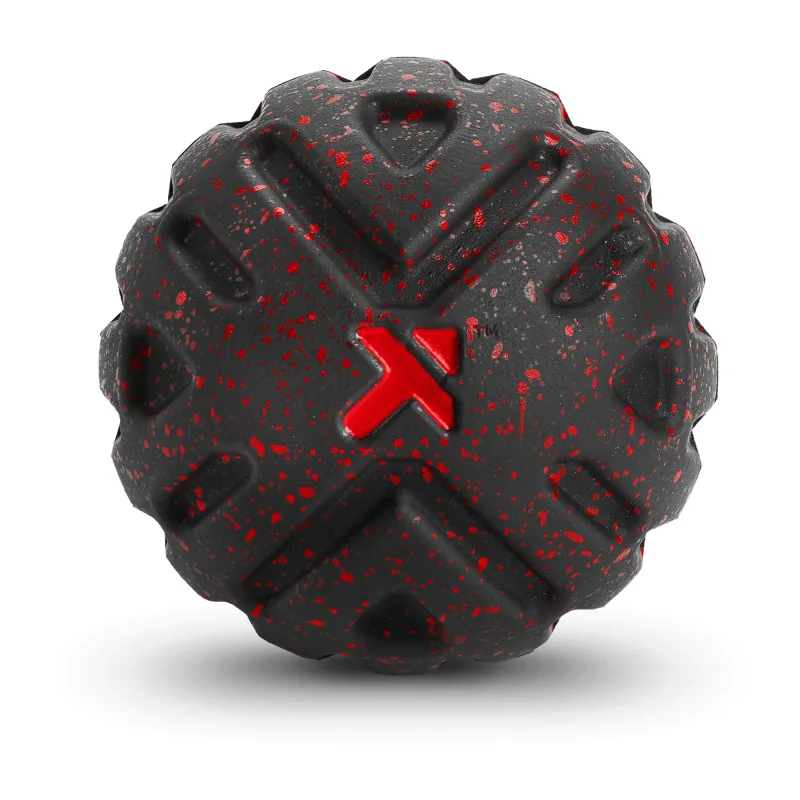
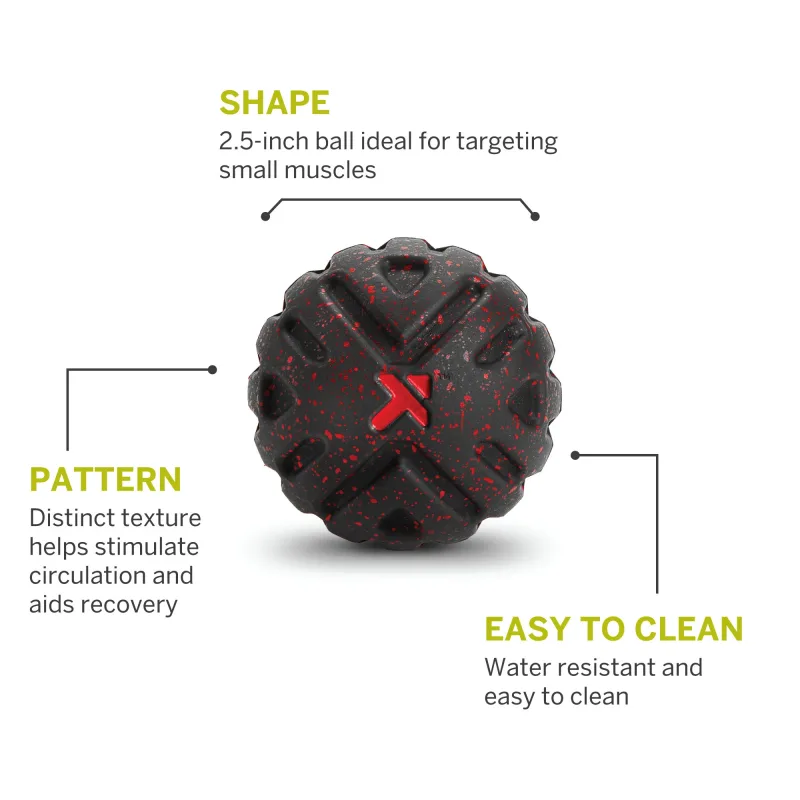
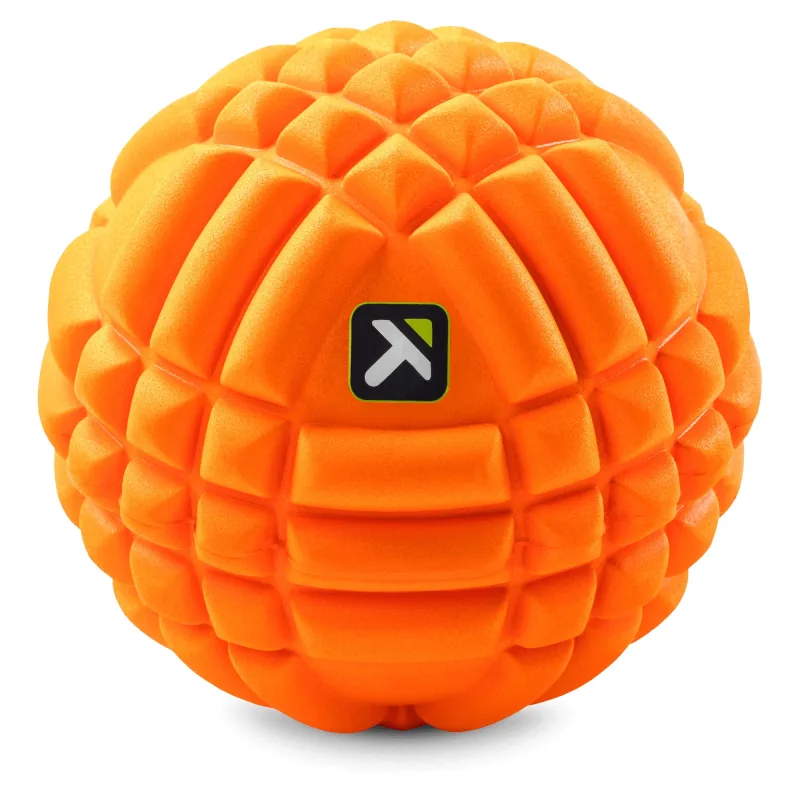
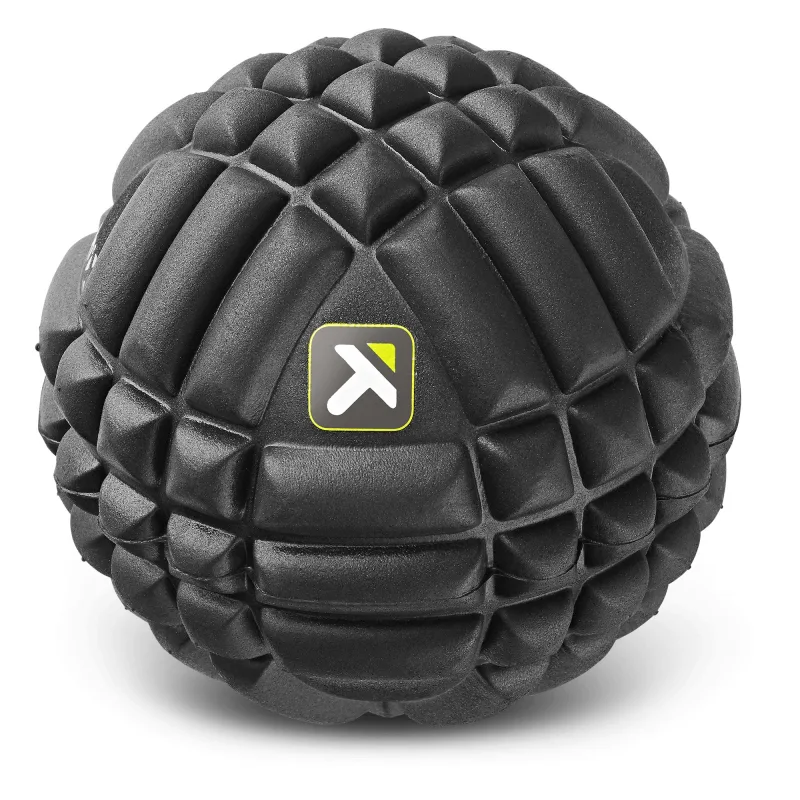
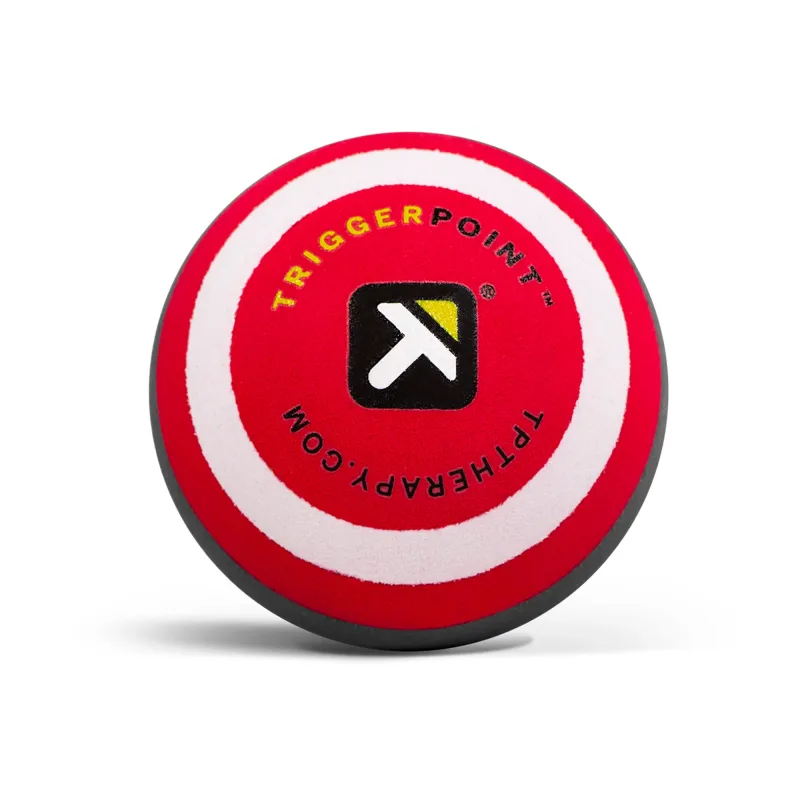
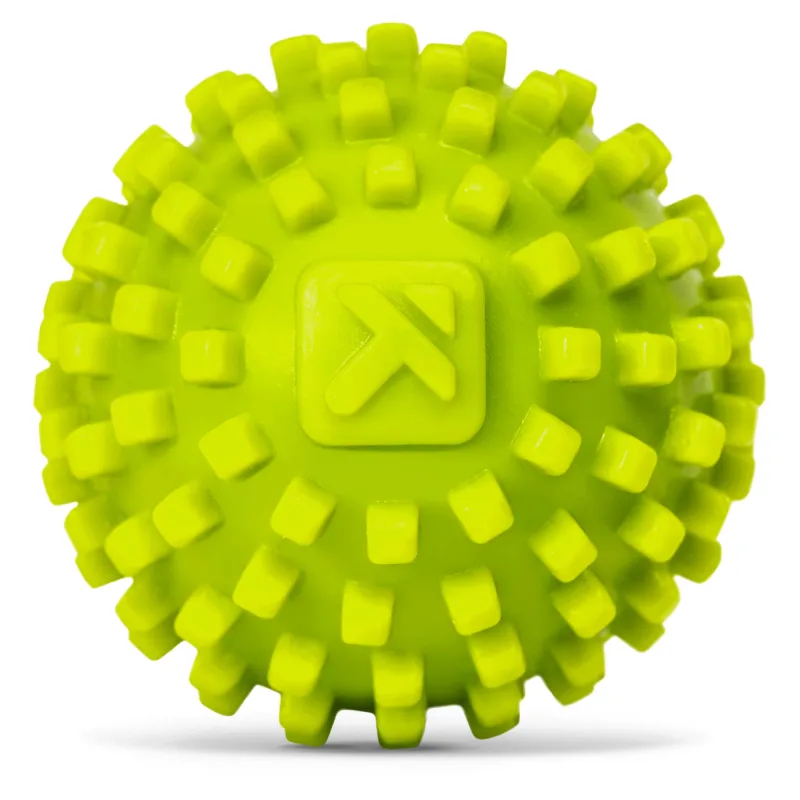
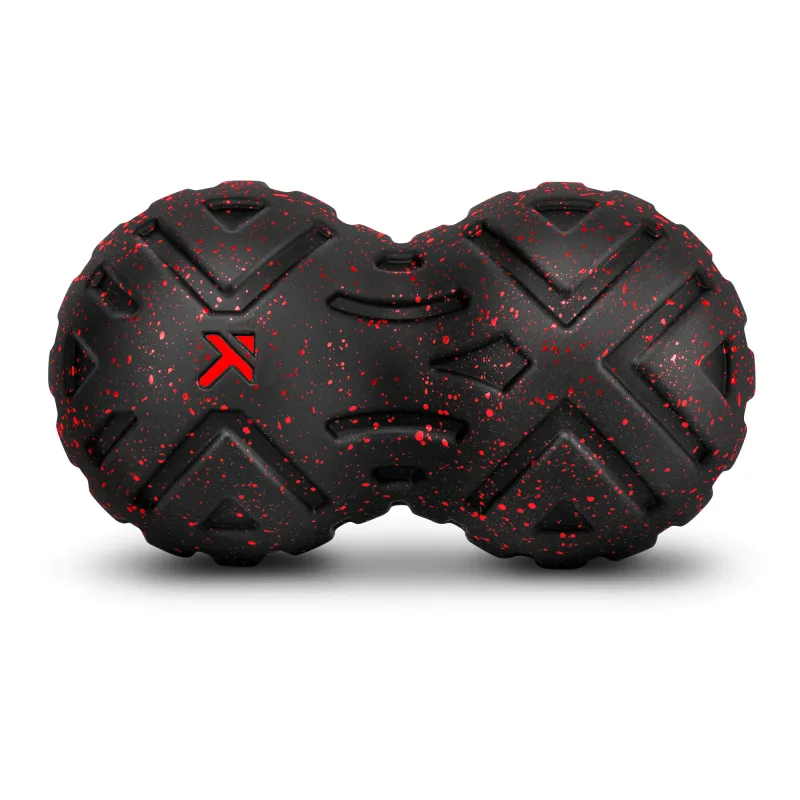
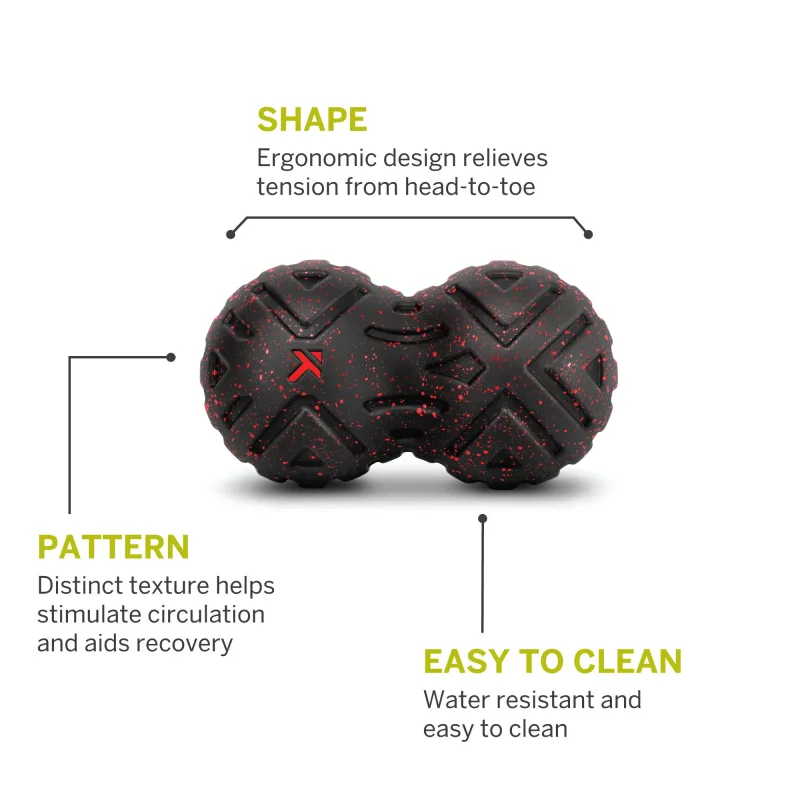
Textured surfaces can help the ball stay in place and add a different sensation. The GRID Ball brings the GRID surface to a smaller format, while the GRID X Ball is denser for deeper work. The MBX Massage Ball and MobiPoint Massage Ball are useful when you want to target very specific spots along the spine or between the shoulder blades.
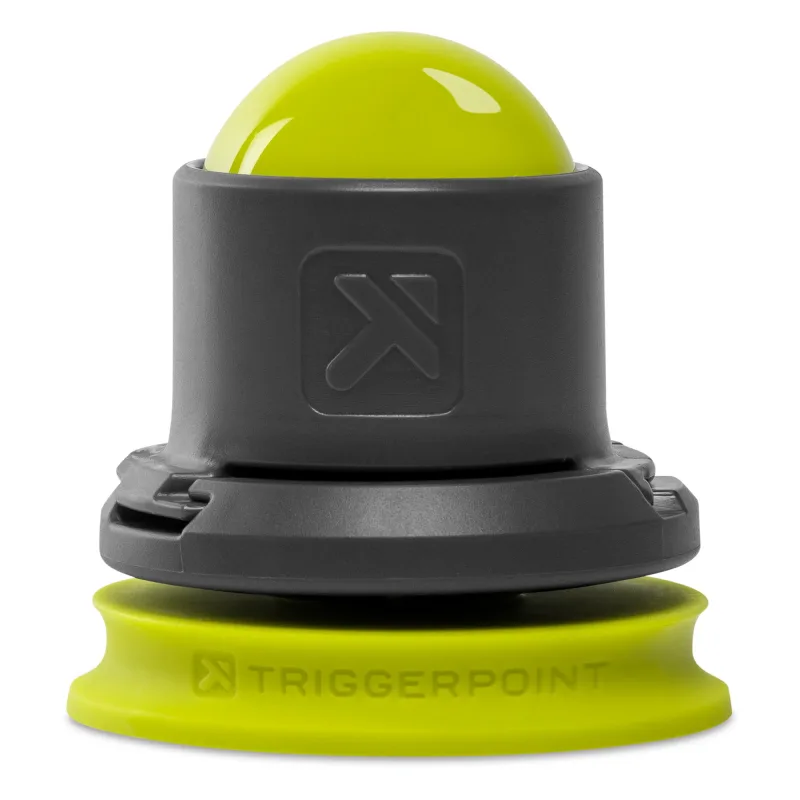
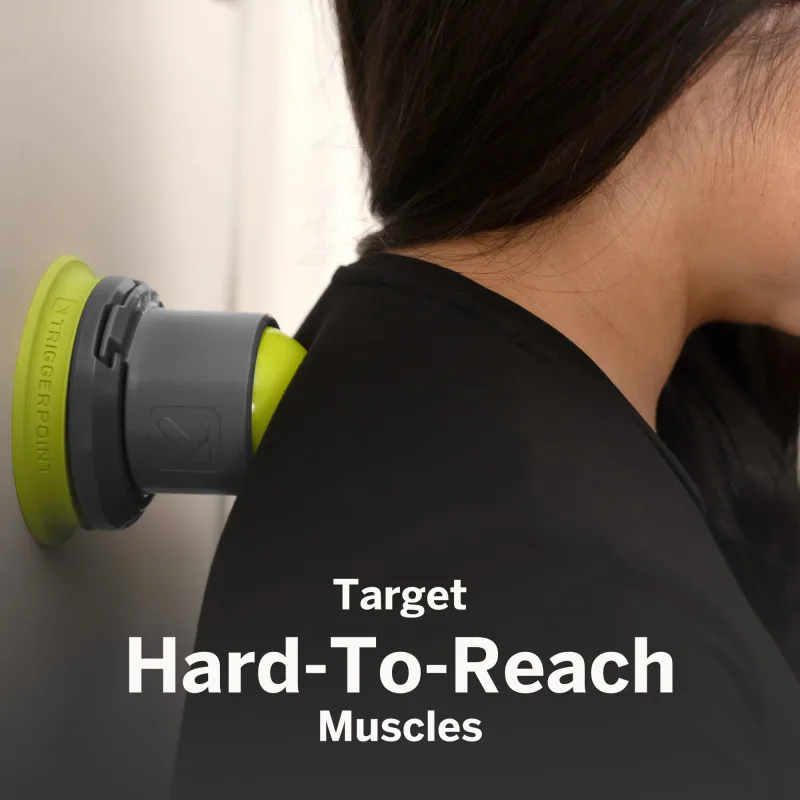
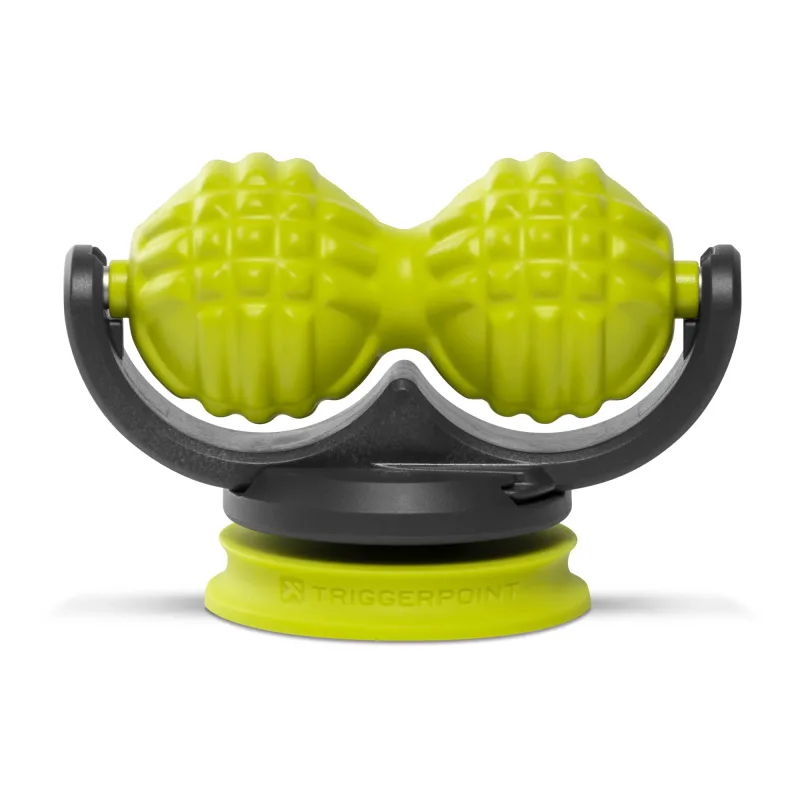
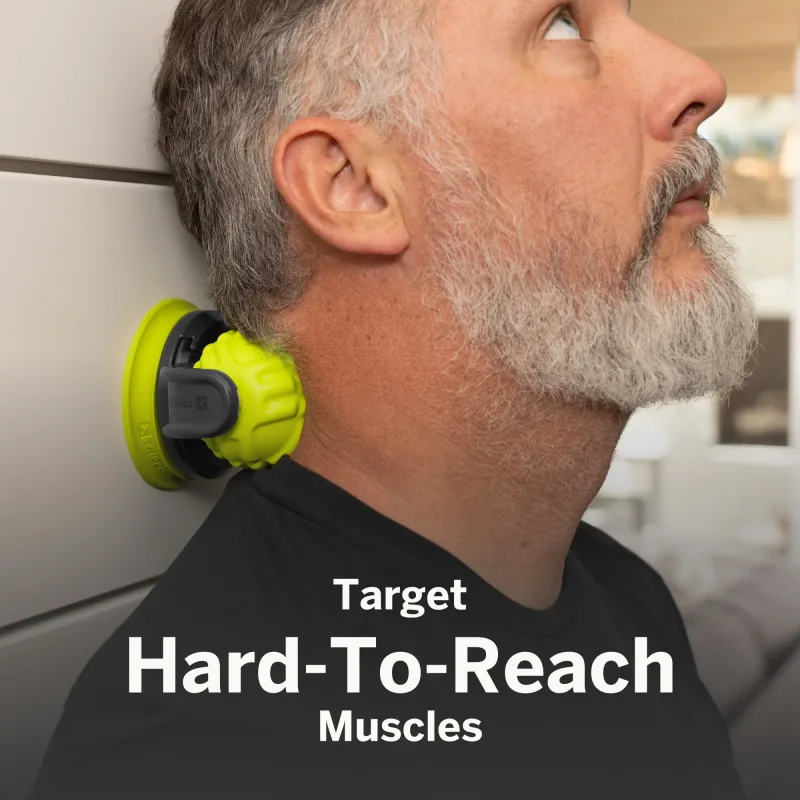
If you prefer hands-free pressure, the Mountable Massage Ball and Mountable Massage Ball Pro attach to a surface so you can lean in and let your body weight do the work.
Handheld and Specialty Options
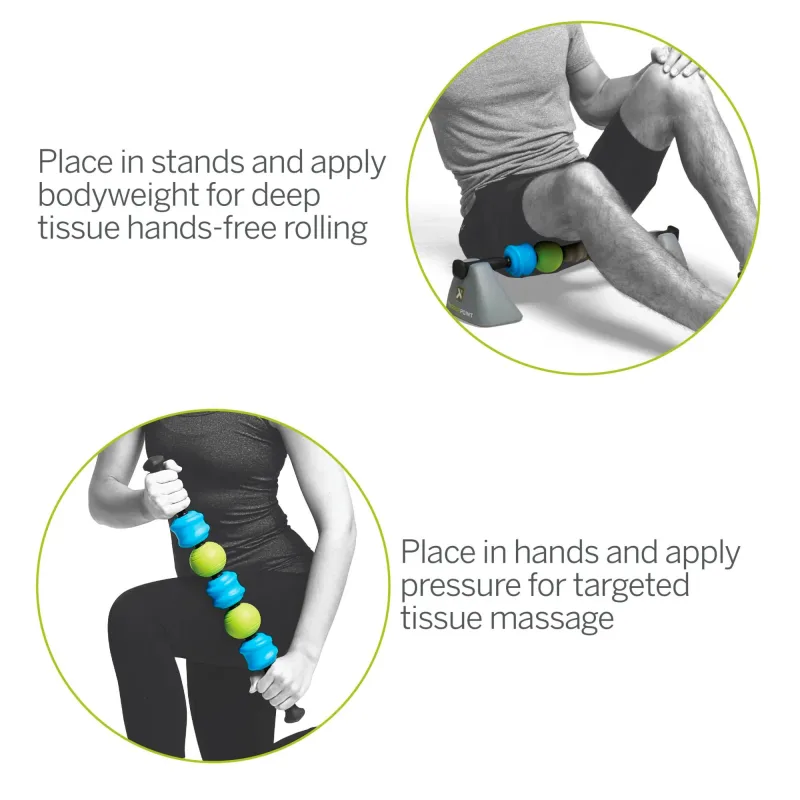
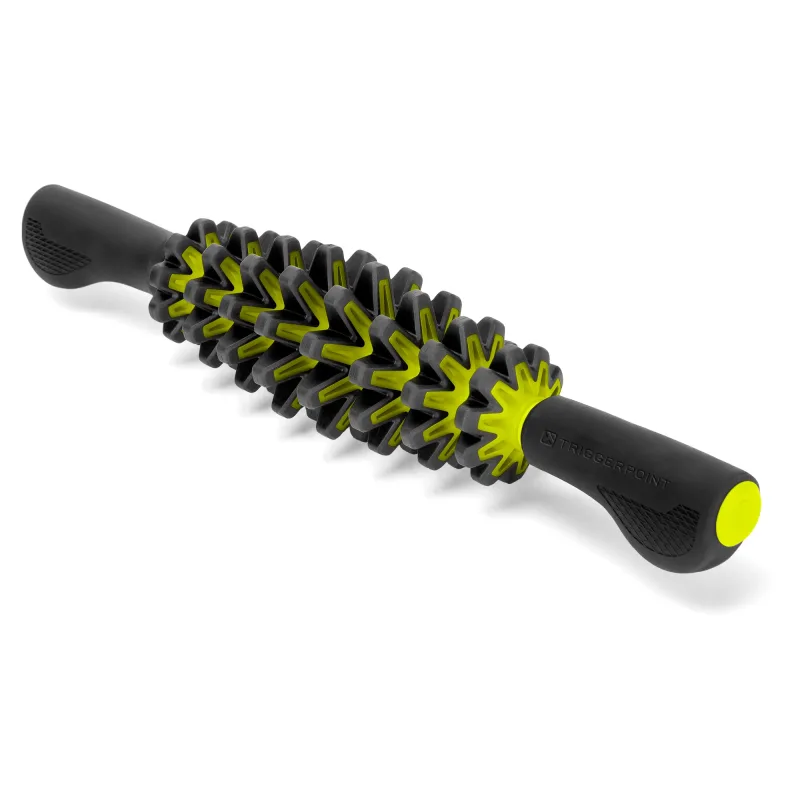
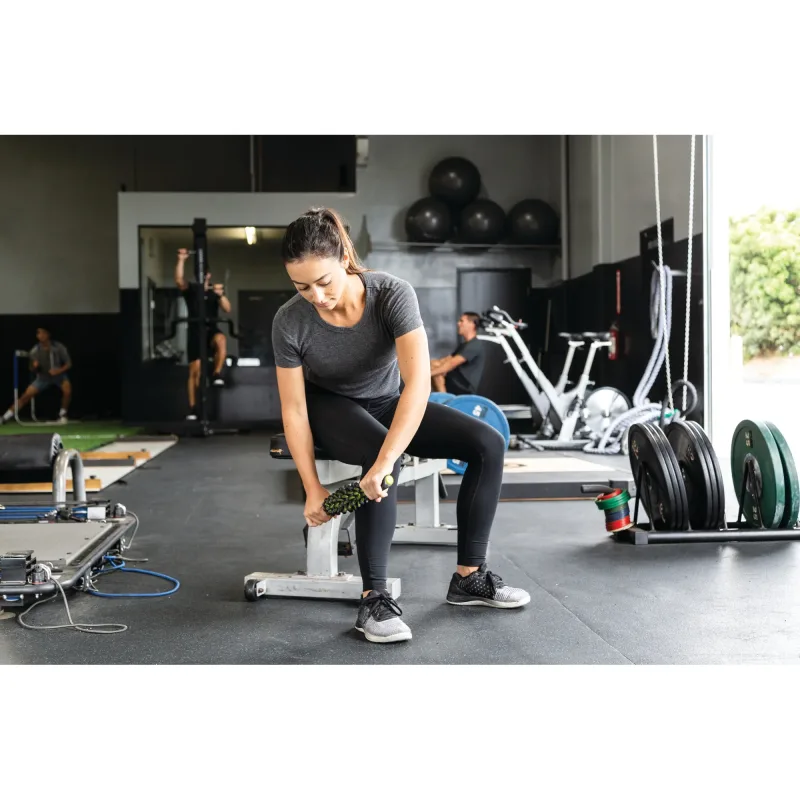
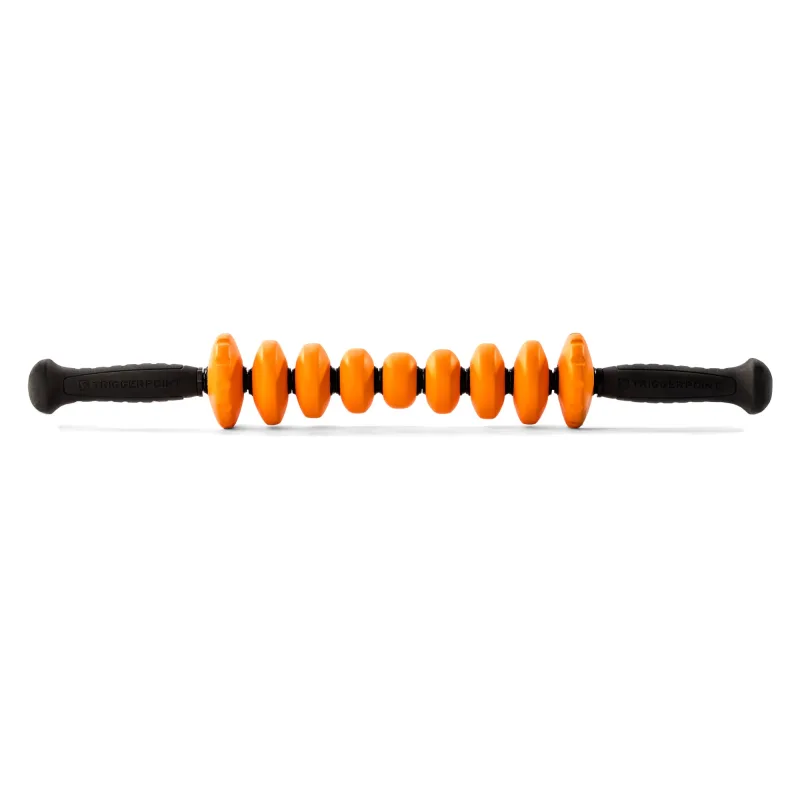
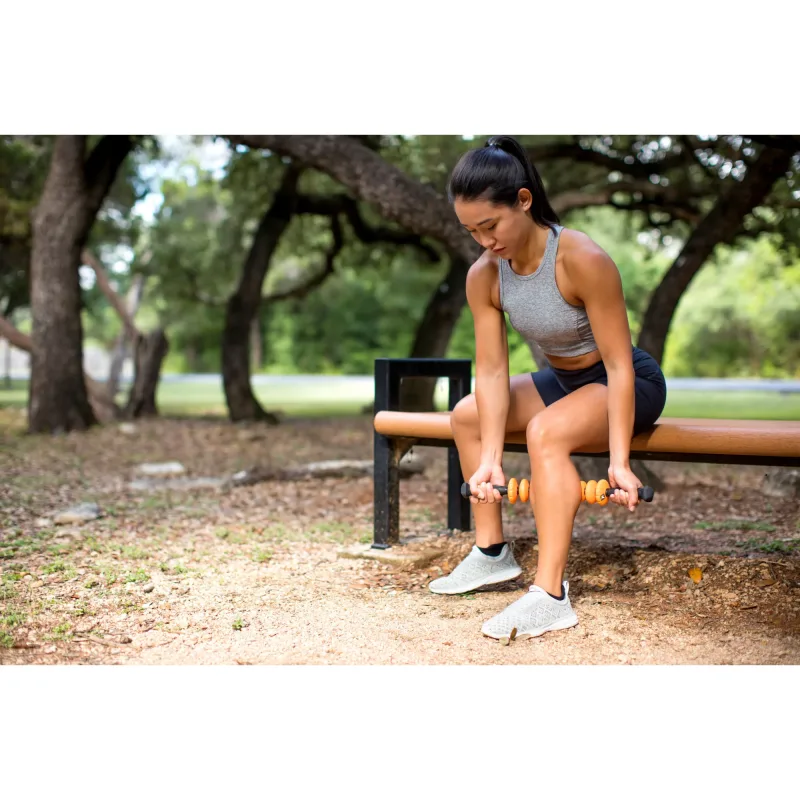
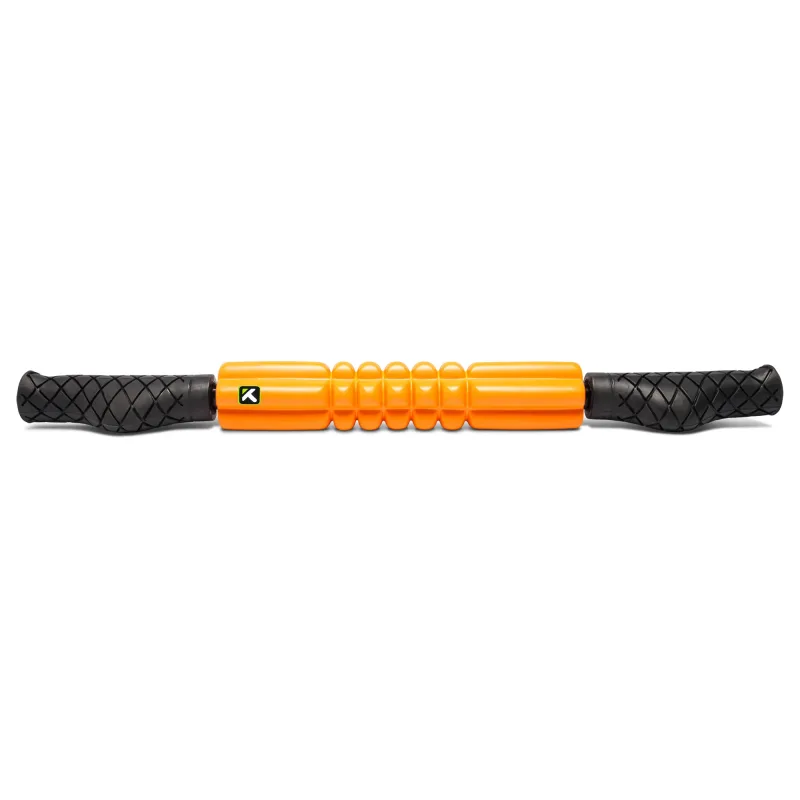
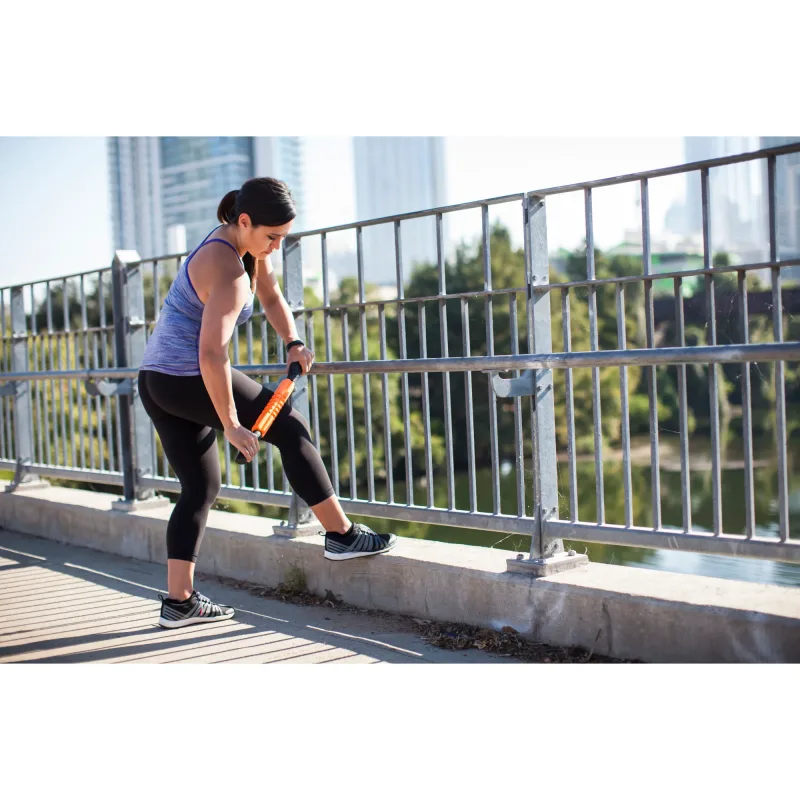
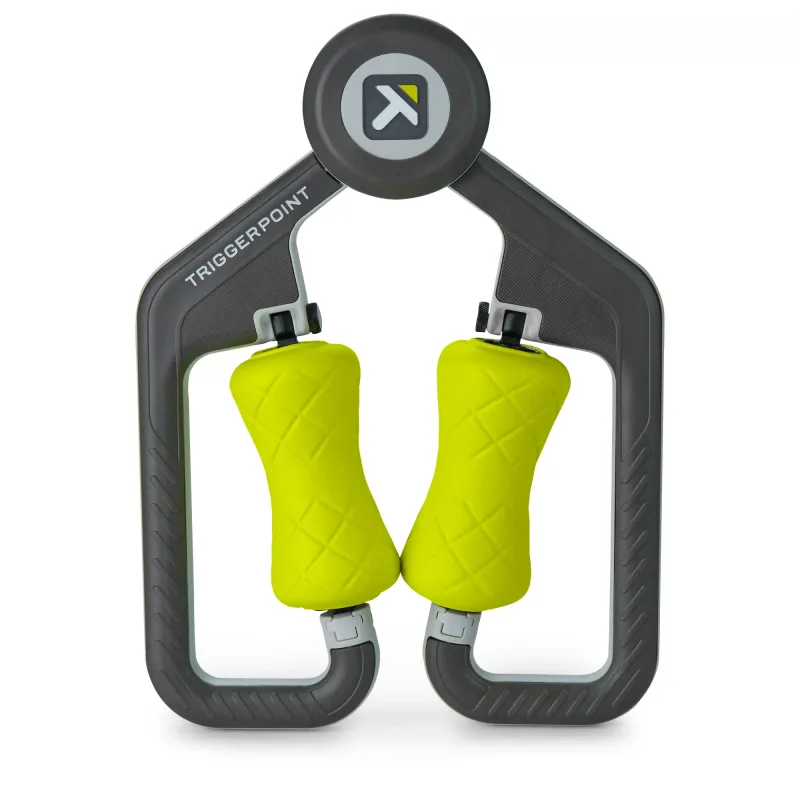
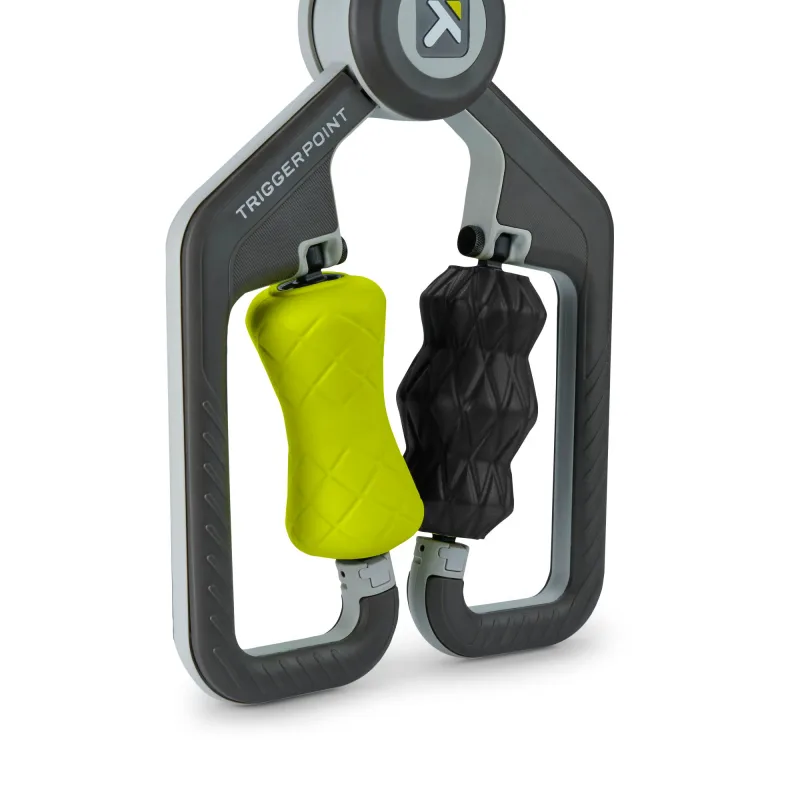
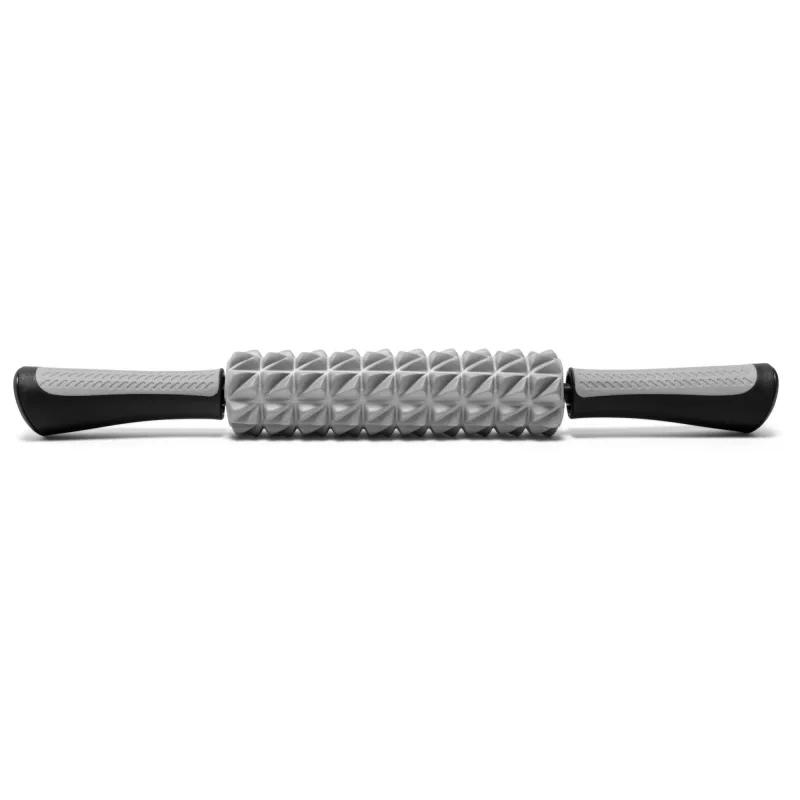
Rollers and balls are not the only tools worth knowing. Handheld rollers give you more control over pressure and are easy to use on the calves, hamstrings, and neck. The STK Fusion and STK Target are designed for exactly this kind of guided rolling, while the STK Contour follows the shape of your limbs. The GRID STK combines the GRID surface with a handle for leverage.
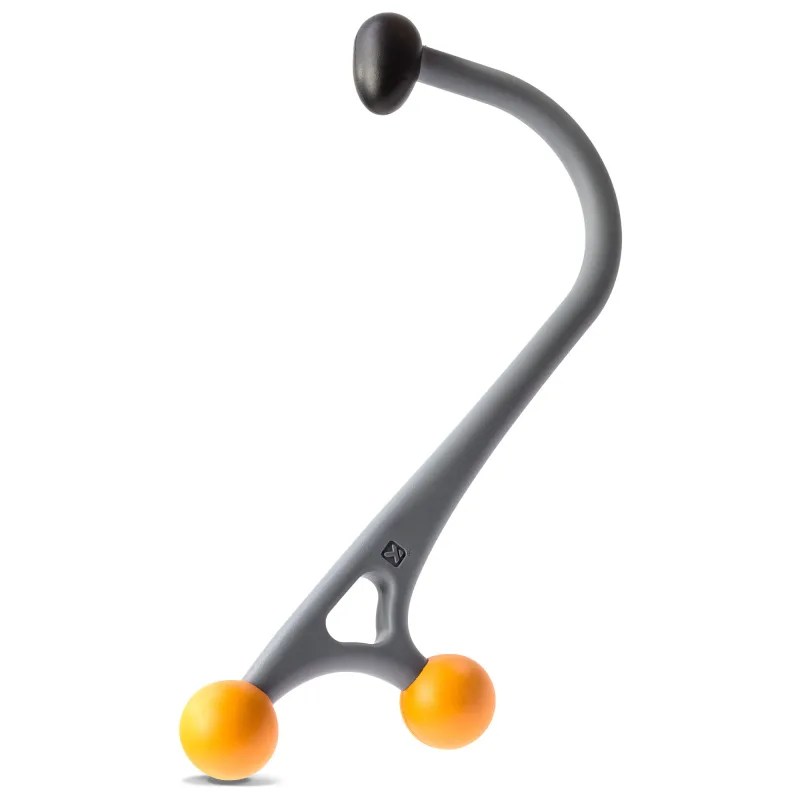
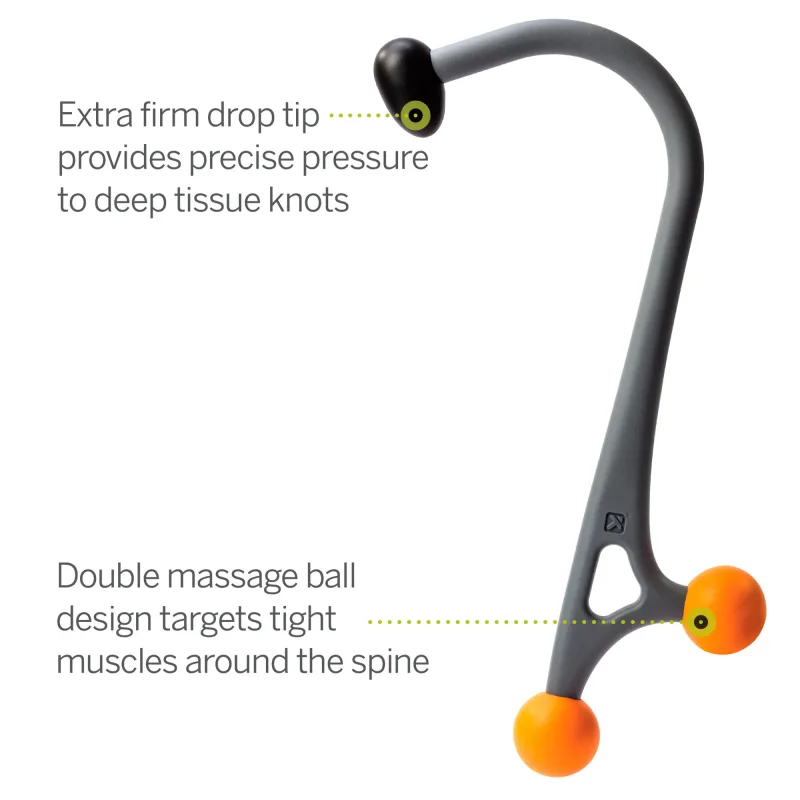
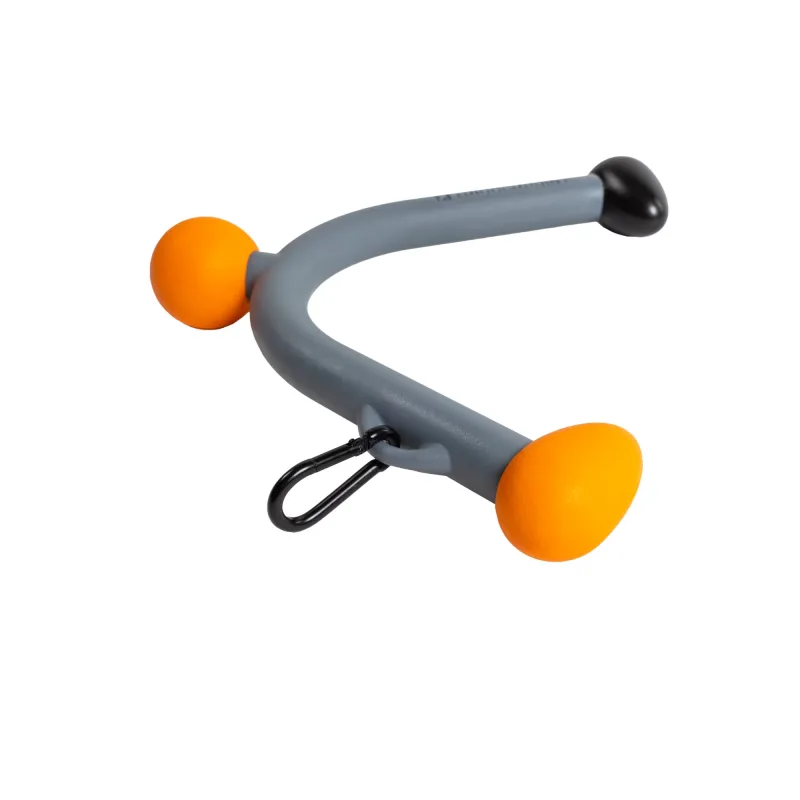
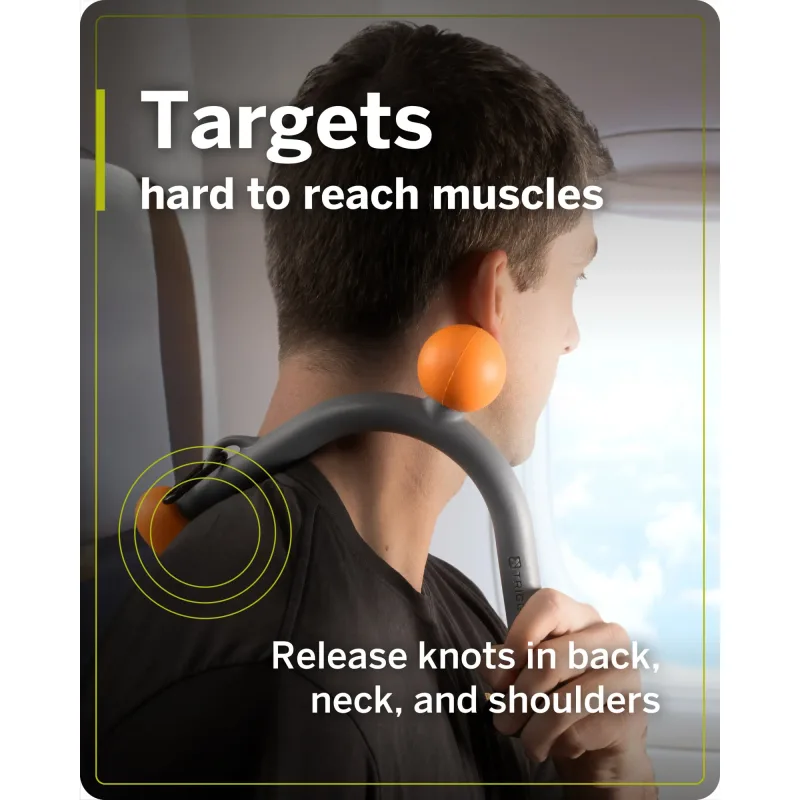
For hard-to-reach areas like the upper back and shoulders, a cane-shaped tool can make a real difference. The AcuCurve Cane is built for those spots, and the AcuCurve Travel Cane is a smaller version for travel. If you want a powered option, the FUSE Massager delivers vibration in a handheld format.
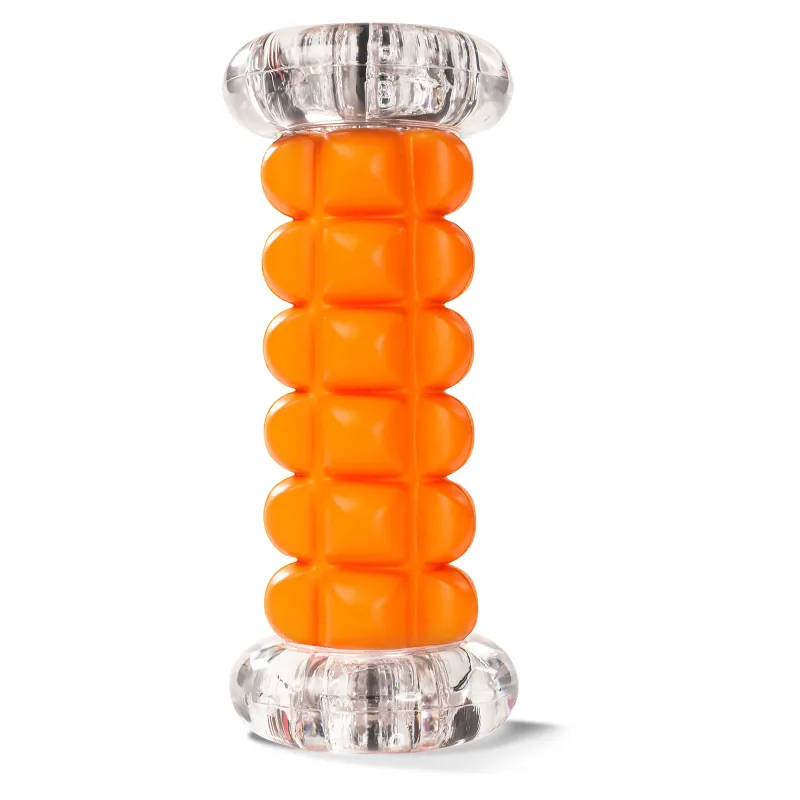
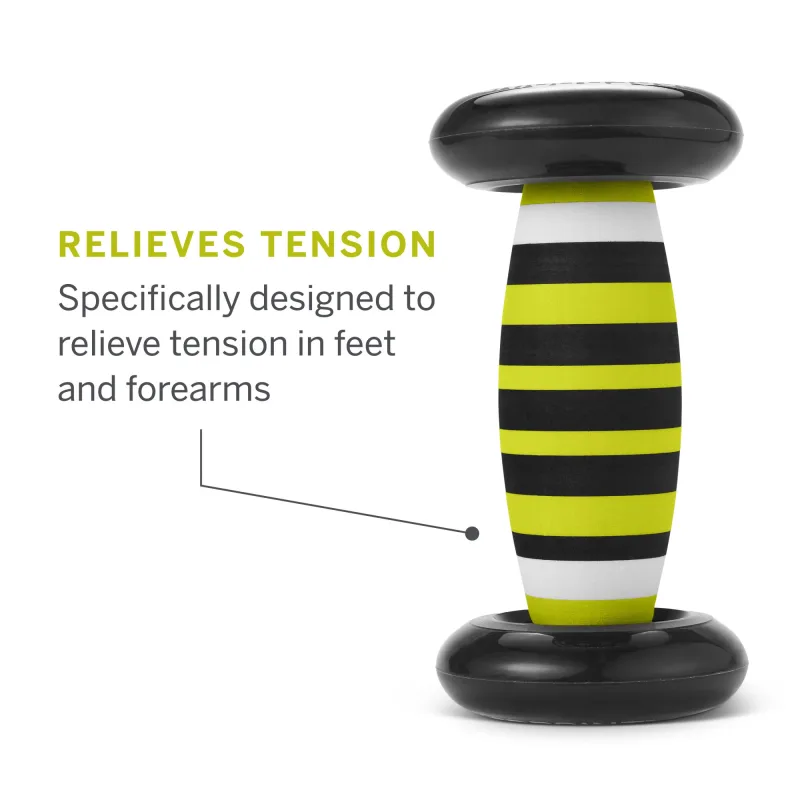
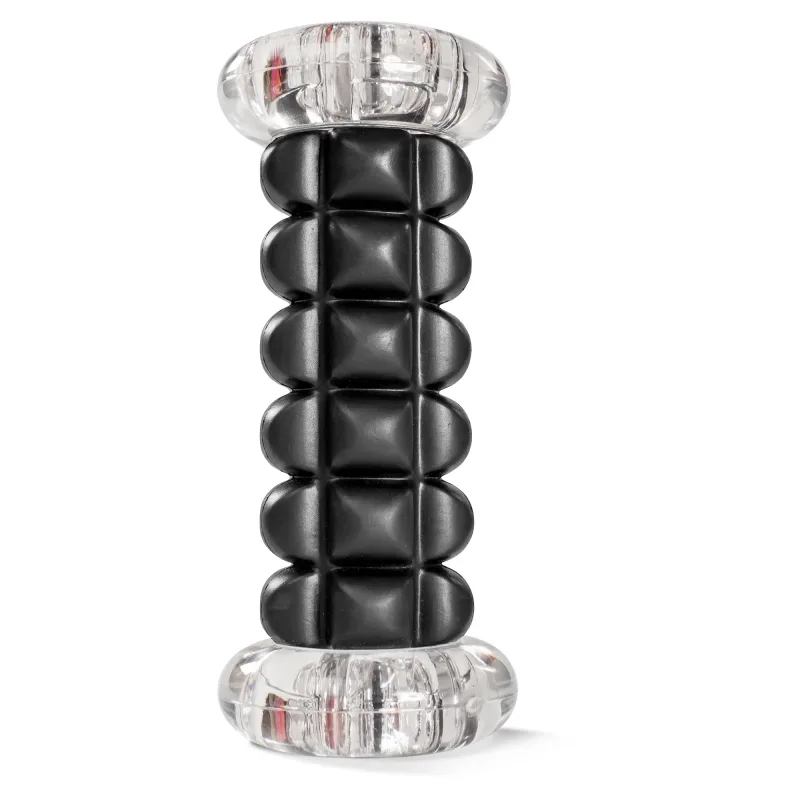
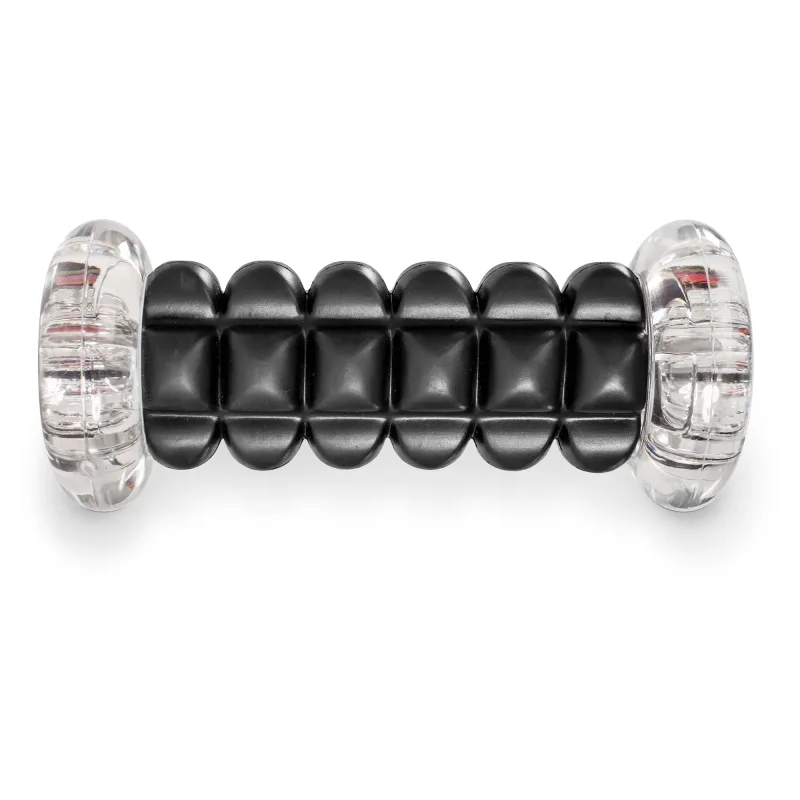
Feet deserve their own mention. The NANO Foot Roller, NANO LTE Foot Roller, and NANO X Foot Roller are shaped to fit under the arch, which is helpful after long days on your feet. The Foundations Handheld and Universal Massage Roller round out the lineup for lighter, more general use.
How to Pick the Right Tool for Your Body and Routine
Start with where you feel the most tension. If it is spread across large areas like your thighs and back, a foam roller should be your first purchase. If it is concentrated in the glutes, calves, or shoulders, a massage ball will serve you better.
Consider your experience level as well. Softer surfaces like the Foundations Roller are easier to tolerate at the beginning, and you can move to denser tools like the GRID X Foam Roller or MB Deep Tissue as your tolerance grows. Finally, think about where you will use the tool. A compact option such as the GRID Travel or AcuCurve Travel Cane makes it more likely you will actually use it away from home.
Most people end up with one roller and one ball, then add a specialty tool later. That combination covers the majority of everyday recovery needs without turning your living room into a gym. Browse the full range at TriggerPoint US and choose the tools that match how you move.