Your quads ache after a long run. Your left glute has been grumpy for a week. You stand in front of the shelf and wonder if a foam roller or a massage ball will fix it. The honest answer: they solve different problems, and most people end up owning both.
What each tool actually does
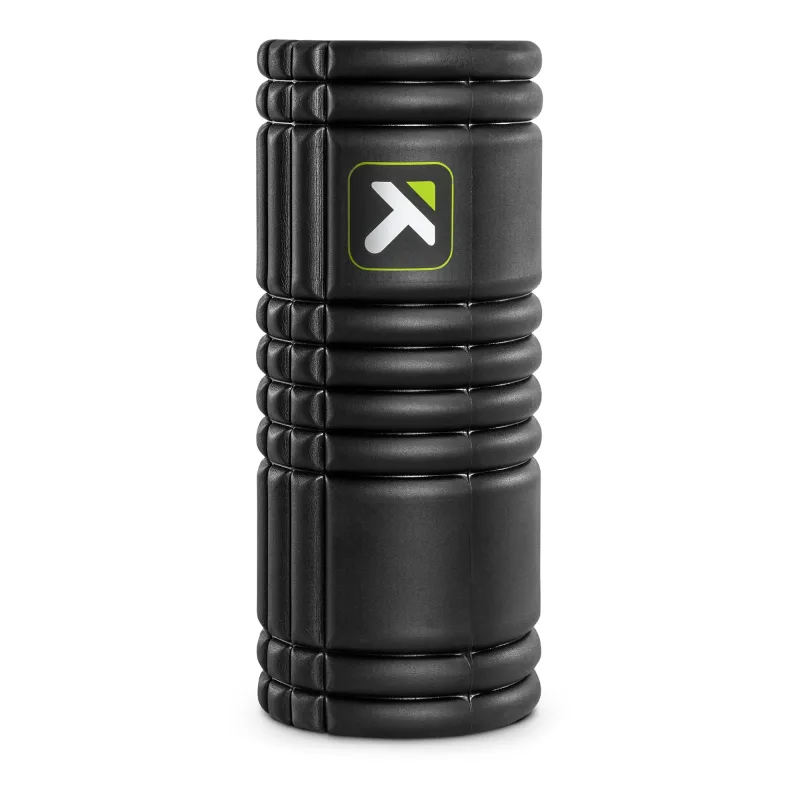
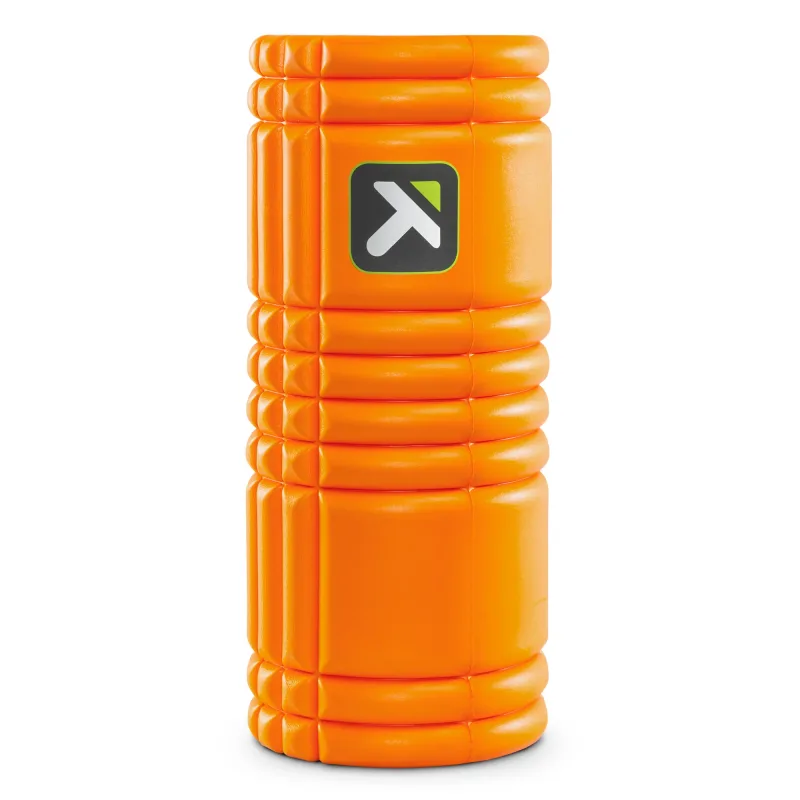
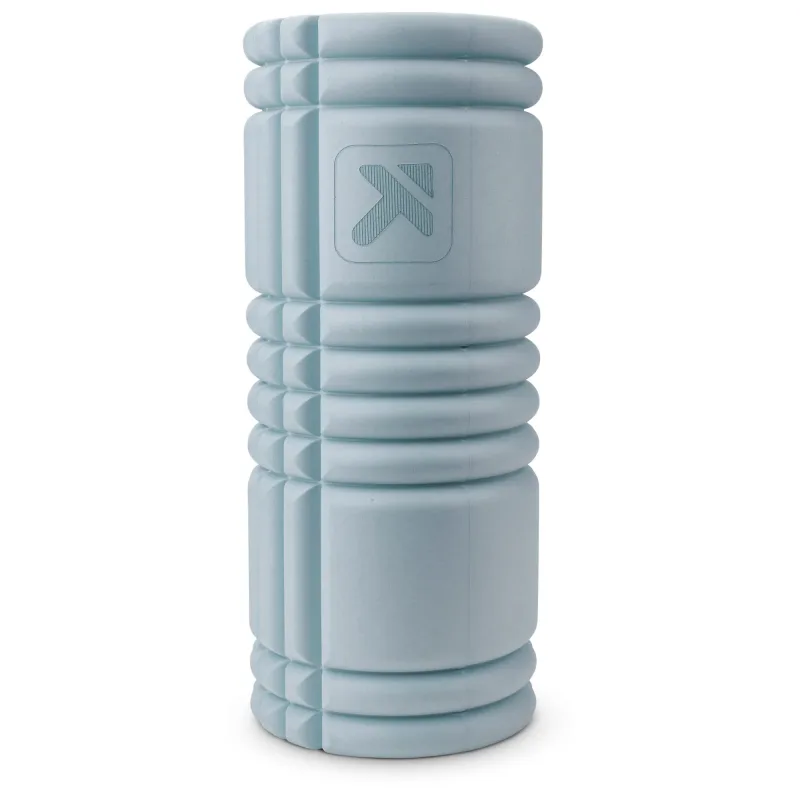
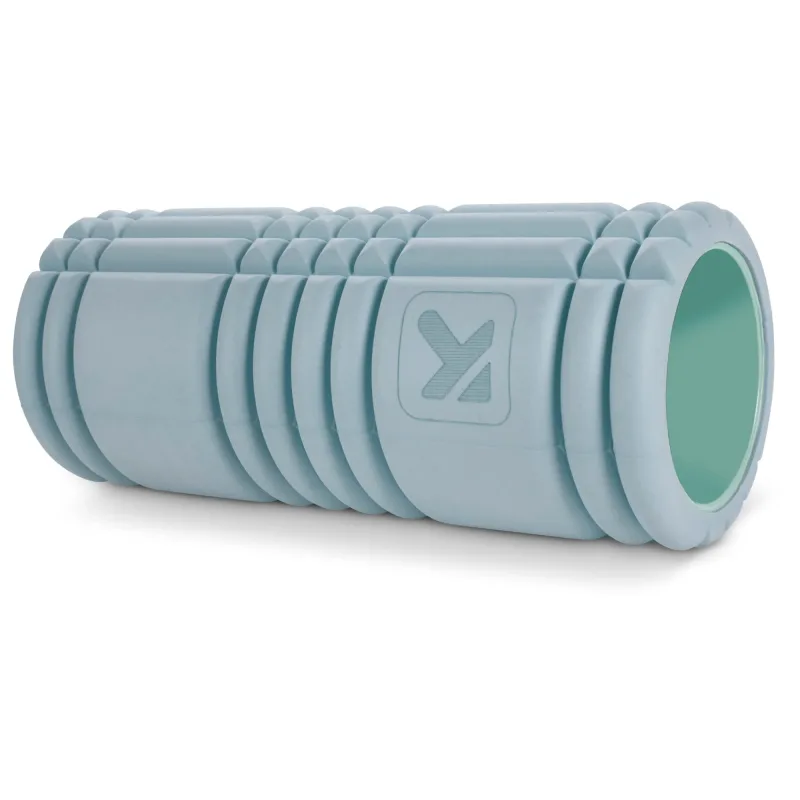
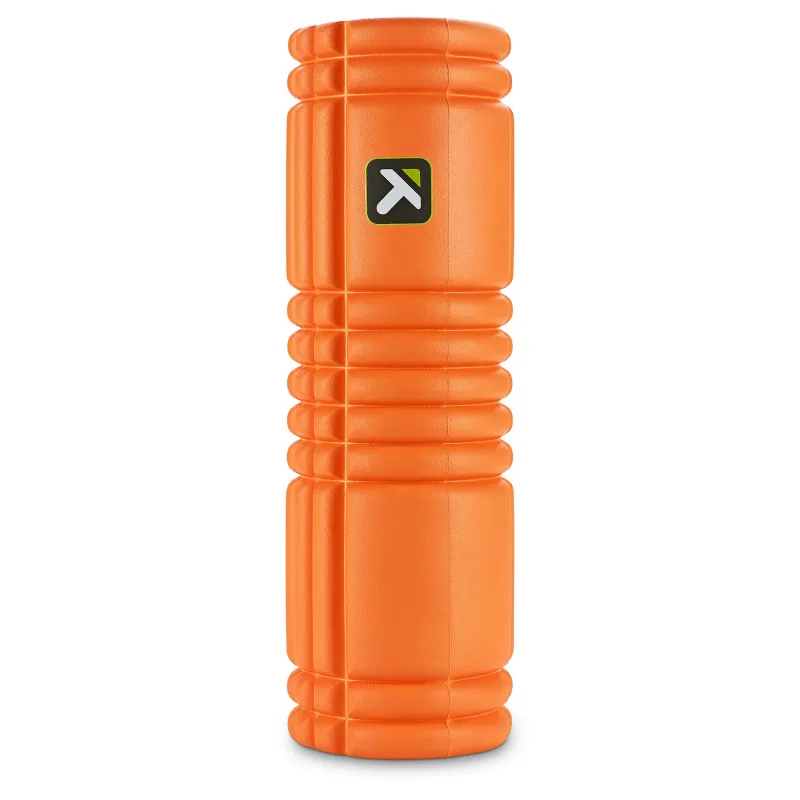
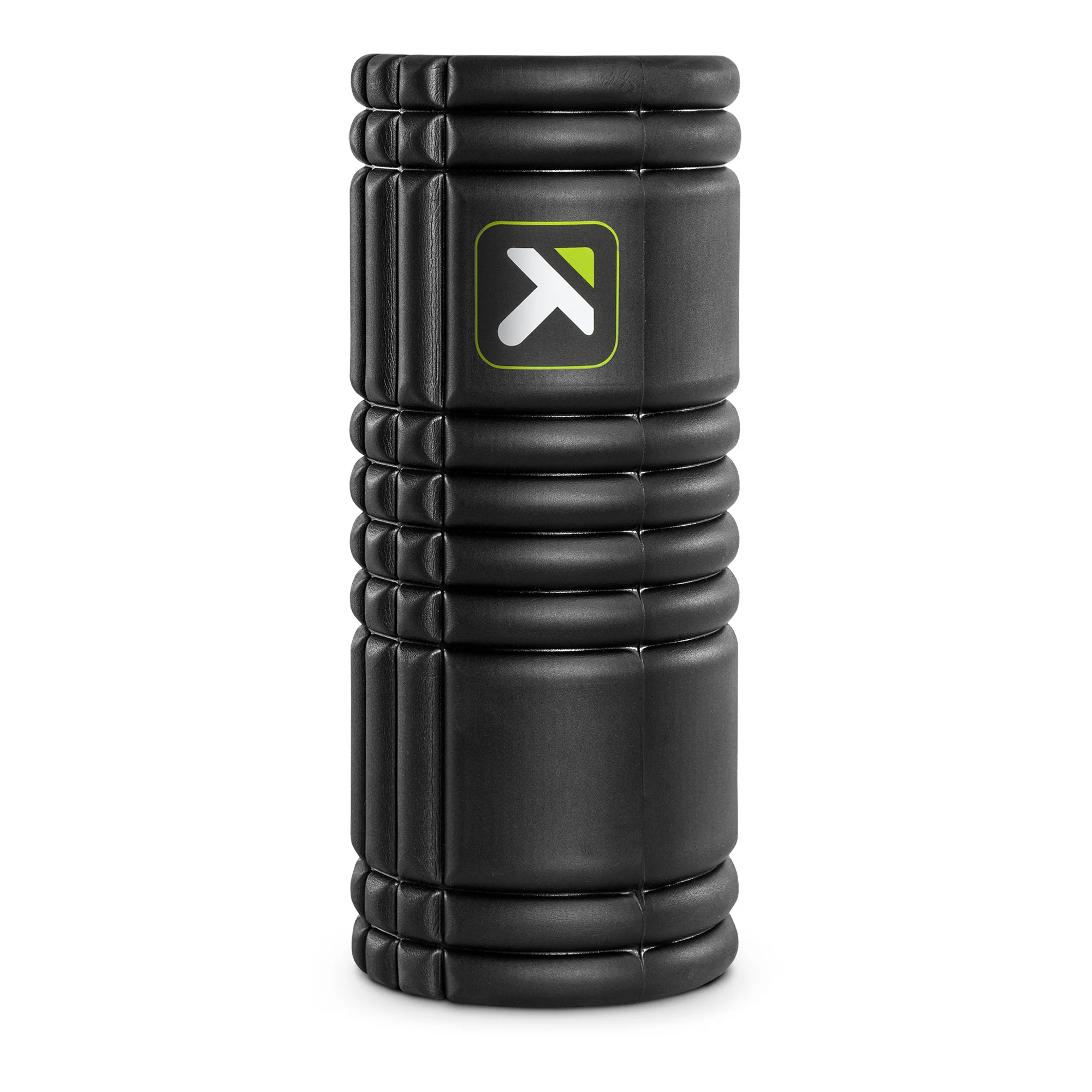
A foam roller covers ground. It spreads pressure across a wide strip of muscle, which is why it works so well on the quads, hamstrings, IT band area and upper back. The GRID 1.0 Foam Roller is the one I keep by the couch. Its hollow core holds up under body weight without squashing flat, and the surface has three distinct zones — a wide flat strip, a firmer ridge, and small bumps — so you can shift from gentle to intense by turning your body a few degrees.
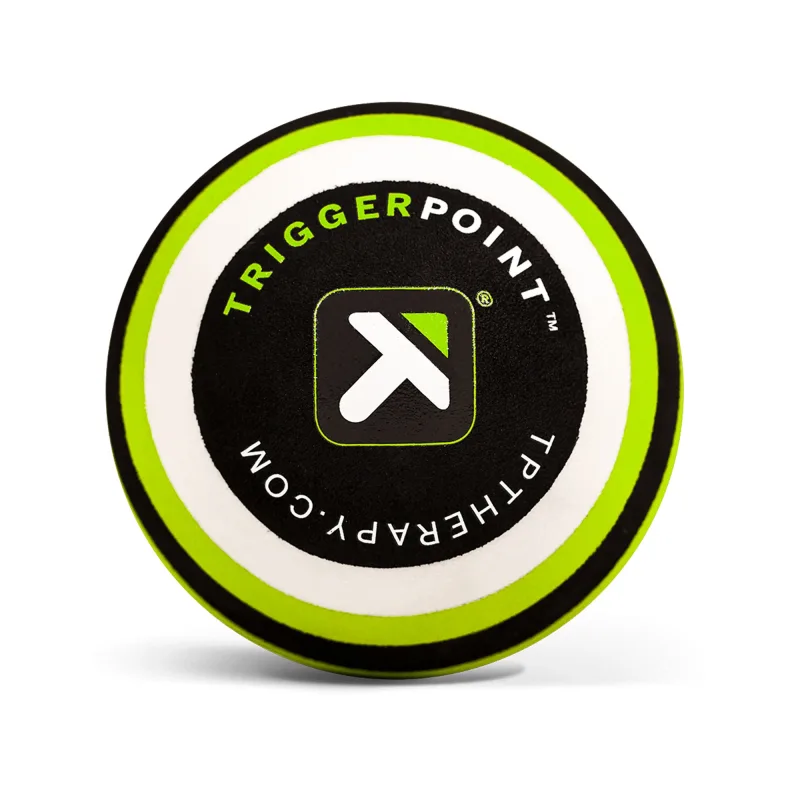
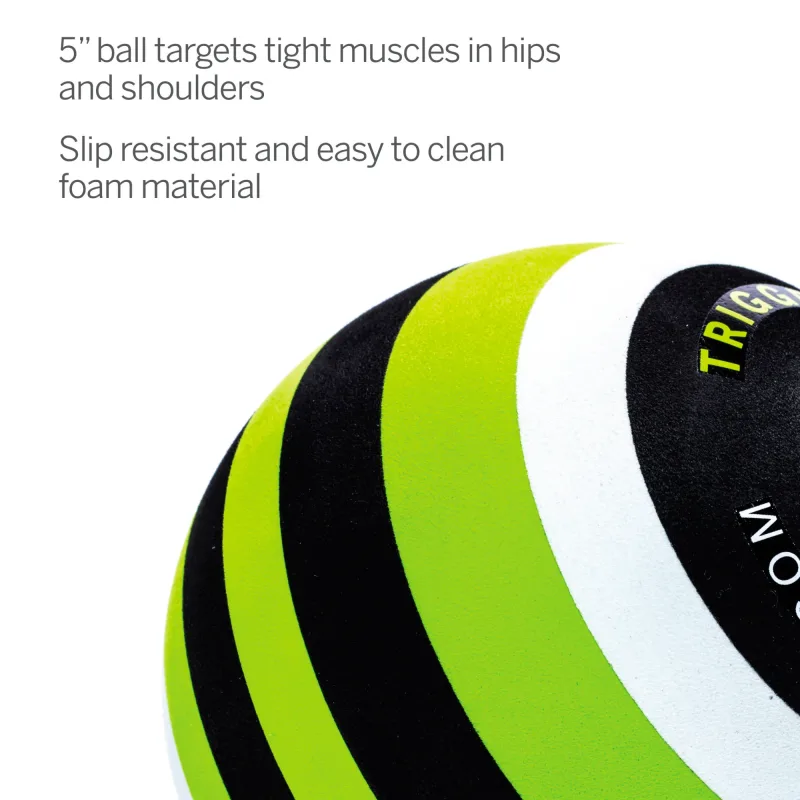
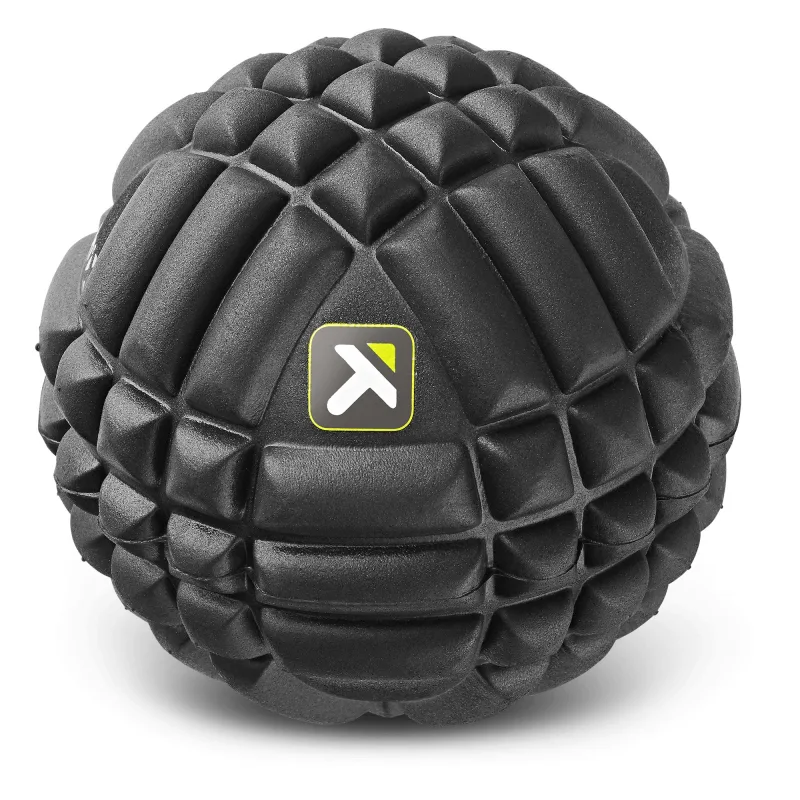
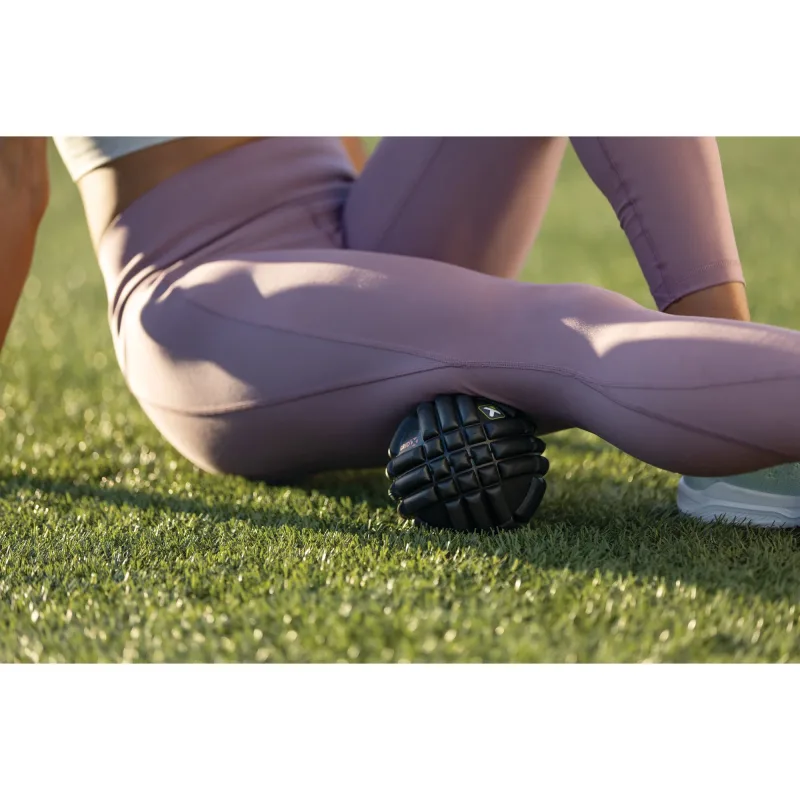
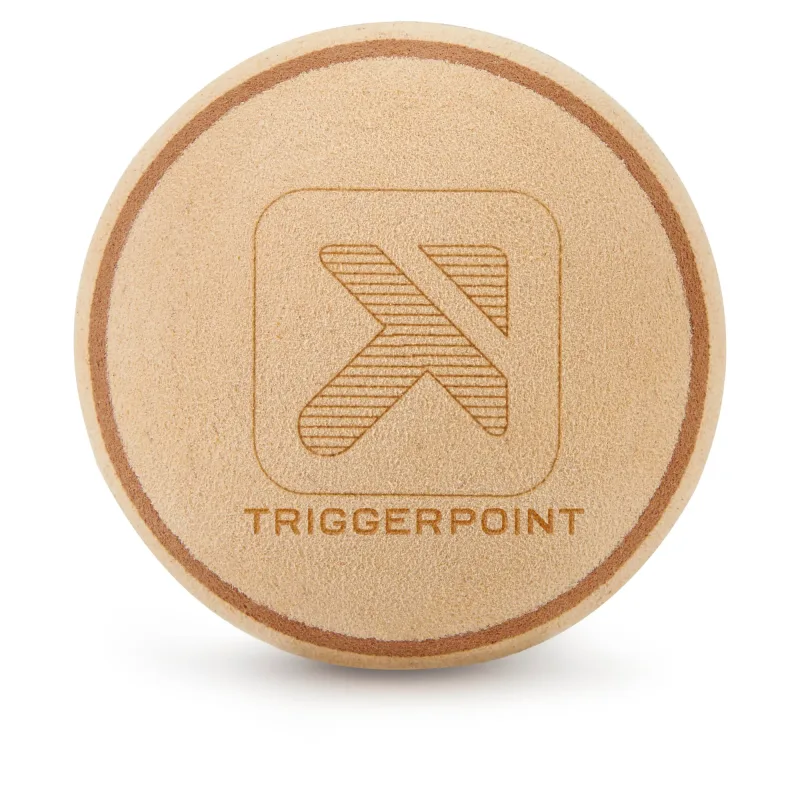
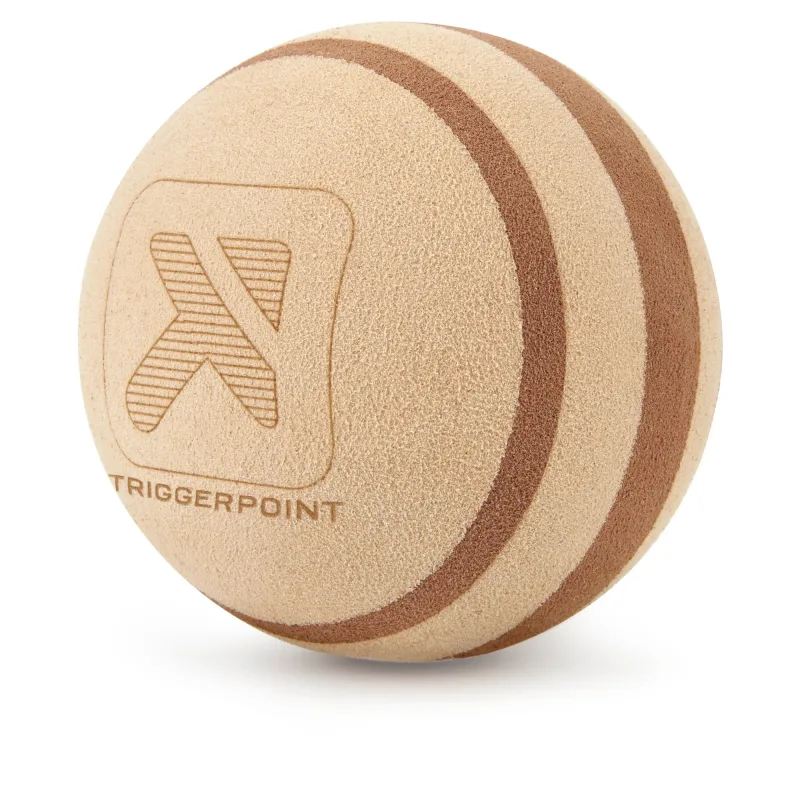
Balls go narrow. A ball concentrates force into a spot the size of a thumbprint, which is exactly what you want on the glutes, the shoulder blade area, or the knot in your calf that never quite lets go. A roller simply can't reach the piriformis. A ball can. The MB5 Massage Ball lives in my gym bag for that reason — it's small enough to wedge under a hip and dense enough to stay put.
Match the tool to the spot
Here's the part nobody tells you: the best tool depends on where you hurt.
- Quads, hamstrings, lats, back: roller. Anything flat and long.
- Glutes, hips, shoulders, feet: ball. Curves and corners need a round object.
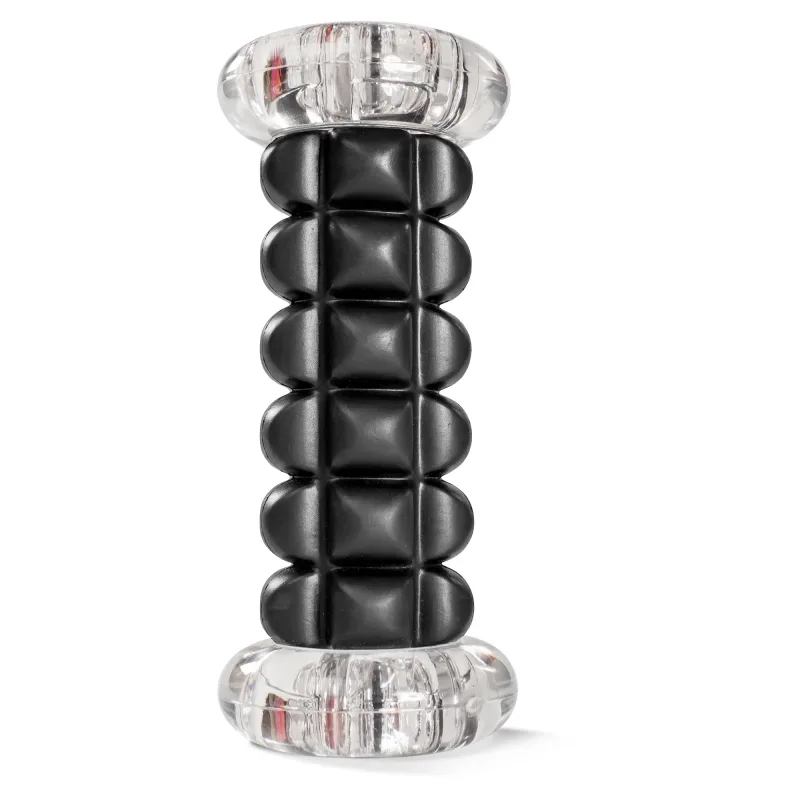
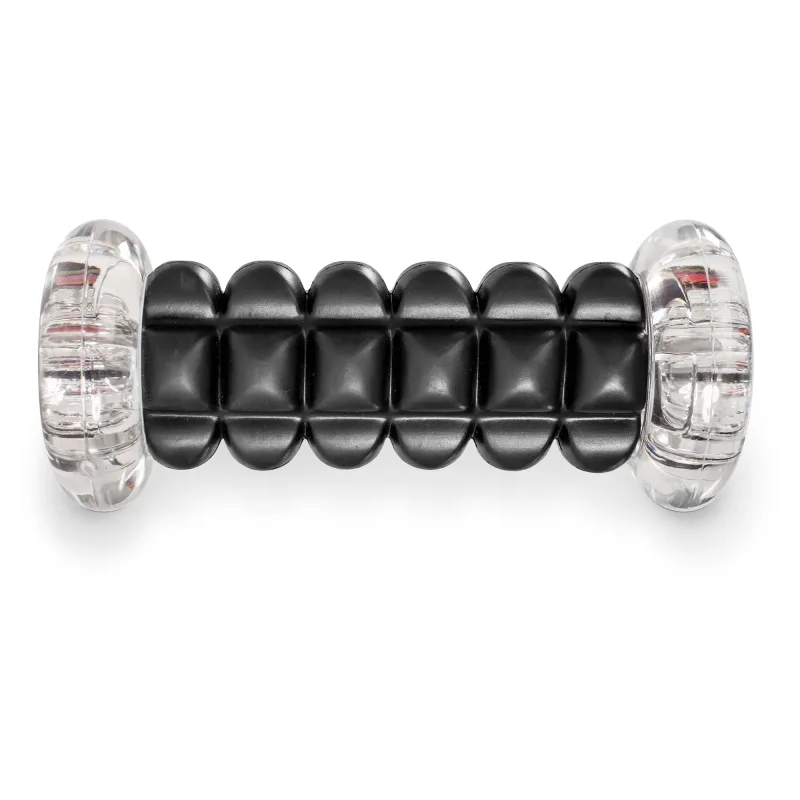
- Arches and plantar fascia: a dedicated foot roller. The NANO X Foot Roller is narrow, so you can work one arch at a time while sitting at your desk.
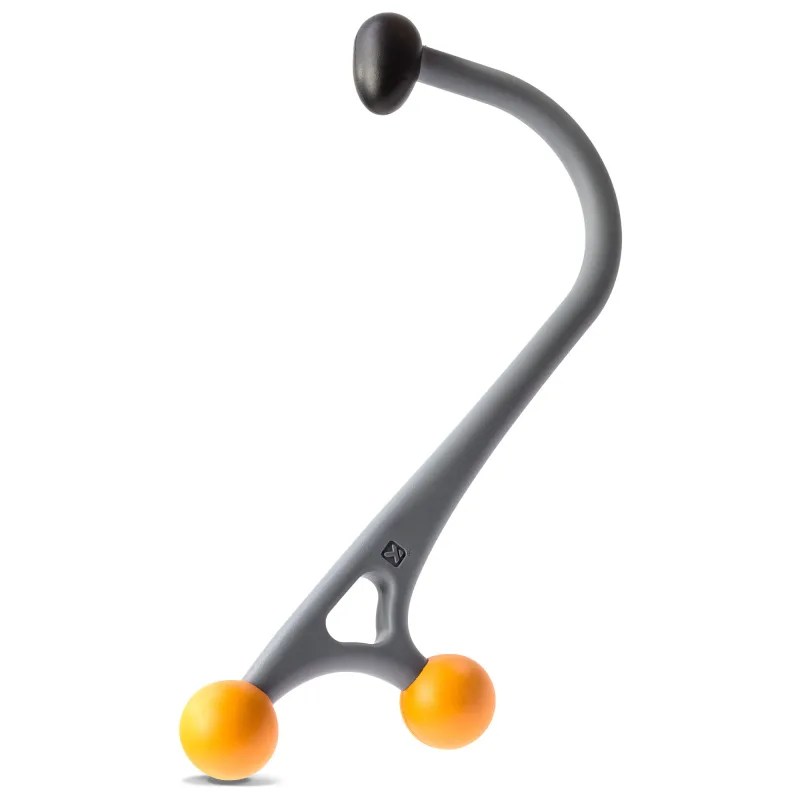
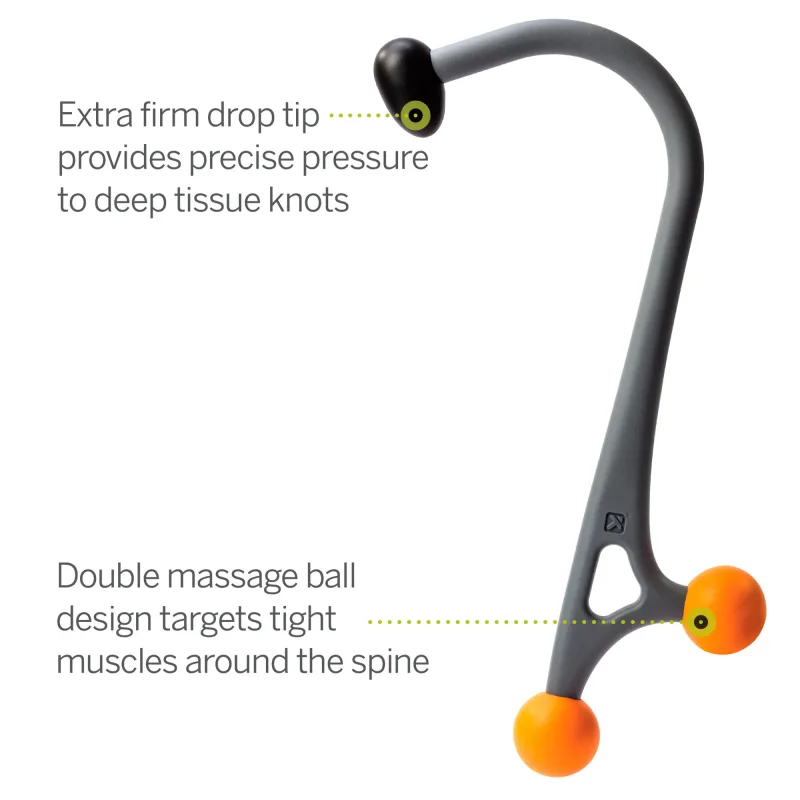
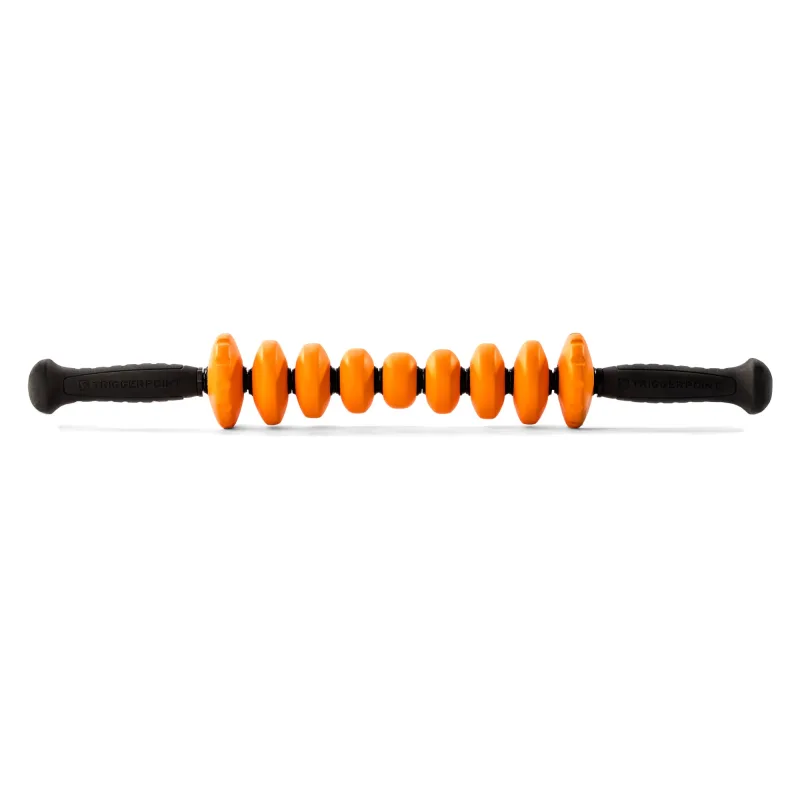
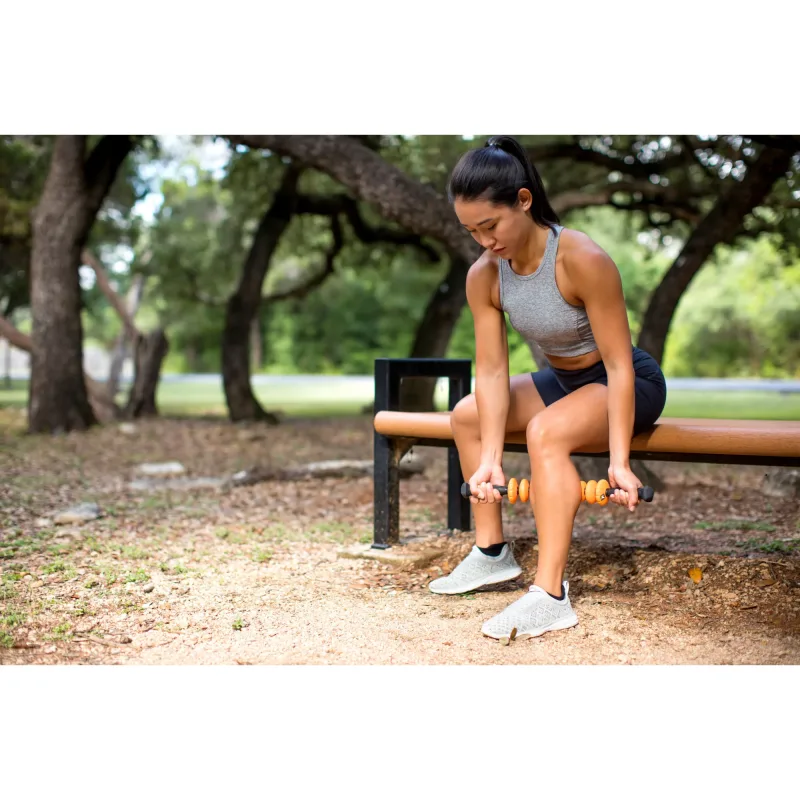
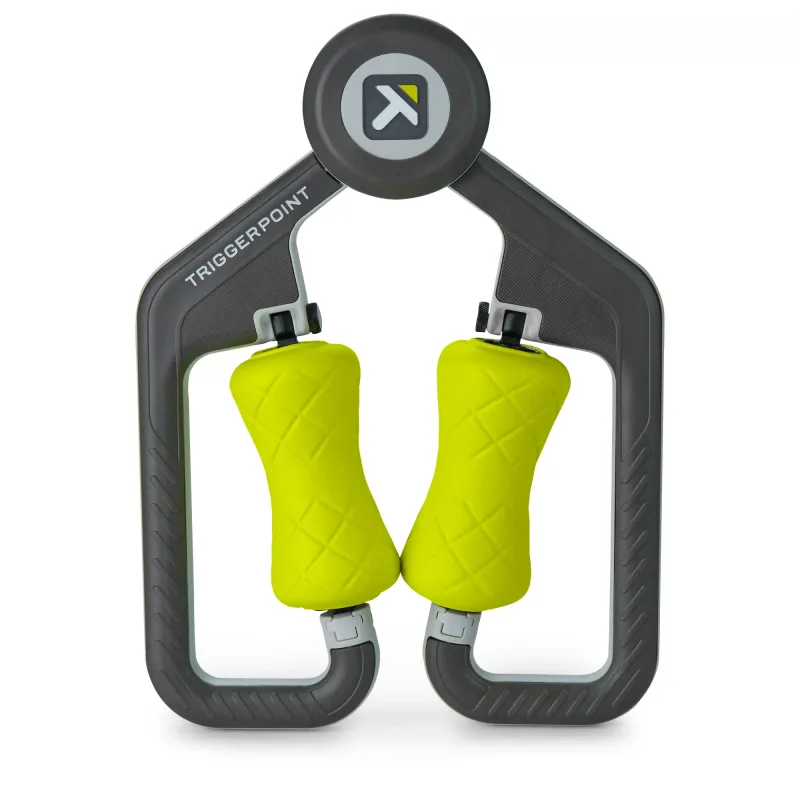
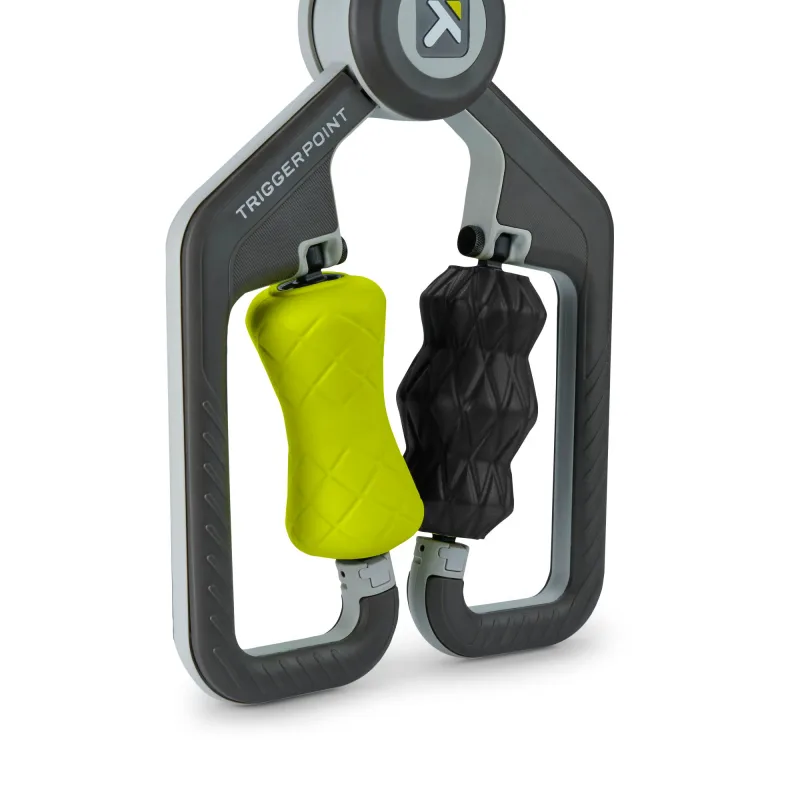
- Calves and hard-to-reach spots: a cane or a contour tool. The AcuCurve Cane has a hooked end that reaches behind the knee without you having to pretzel yourself on the floor.
If your calves are the main offender after hill repeats, the STK Contour does the same job with a different grip. Both beat trying to balance a ball on your shin.
Density and texture matter more than brand
Density decides how much pressure you feel. A soft roller feels great on day one and does almost nothing by week three. A firm one hurts for the first thirty seconds and then your tissue warms up and it stops hurting at all.
Firmness also varies within a product line. The GRID X Ball is noticeably denser than the MB5 Eco Massage Ball, which has a bit more give — useful if you're new to ball work and don't want to yelp. And if sustainability is your thing, the Recycled GRID 1.0 Foam Roller gives you the same shape with recycled content in the core.
One practical note. Rolling a cold muscle is a bad idea. Walk for five minutes first, or roll right after a shower. Your tissue responds to heat and movement, not heroism.
A 10-minute routine with one roller and one ball
You don't need a rack of equipment. Grab one roller and one ball and do this:
- Calves, 60 seconds per side. Sit with the roller under your calf, cross the other leg on top for weight, roll ankle to knee.
- Quads, 60 seconds per side. Face down, roller under one thigh, pause on the tender spot and breathe.
- Glutes, 45 seconds per side. Sit on the ball, lean into one cheek, small circles. This is where a ball earns its keep.
- Upper back, 90 seconds. Roller across the shoulder blades, arms crossed, no rolling on the lower back.
- Arches, 30 seconds per foot. Foot roller, slow passes heel to toe.
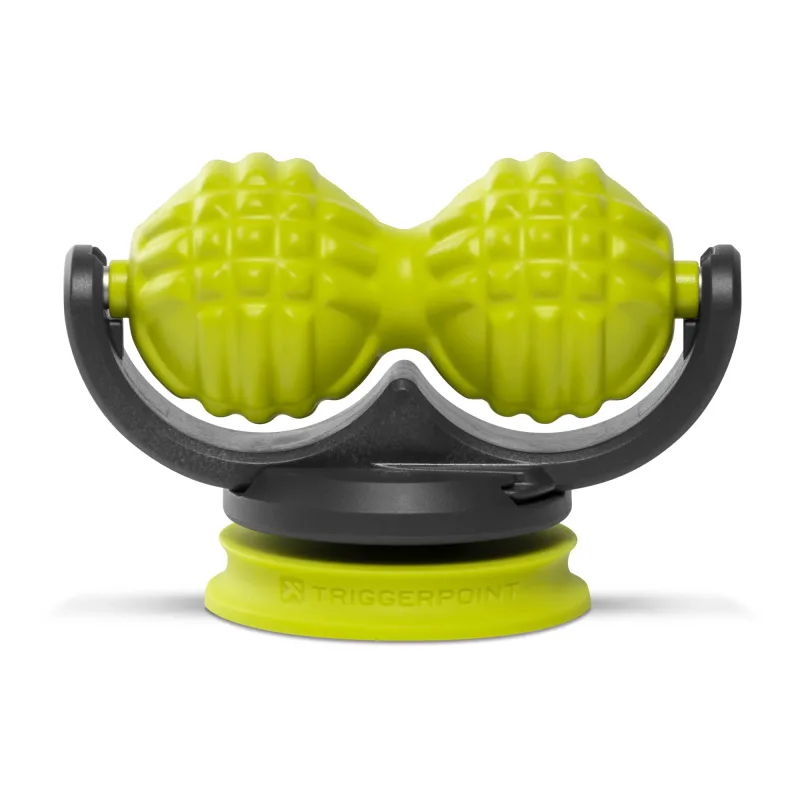
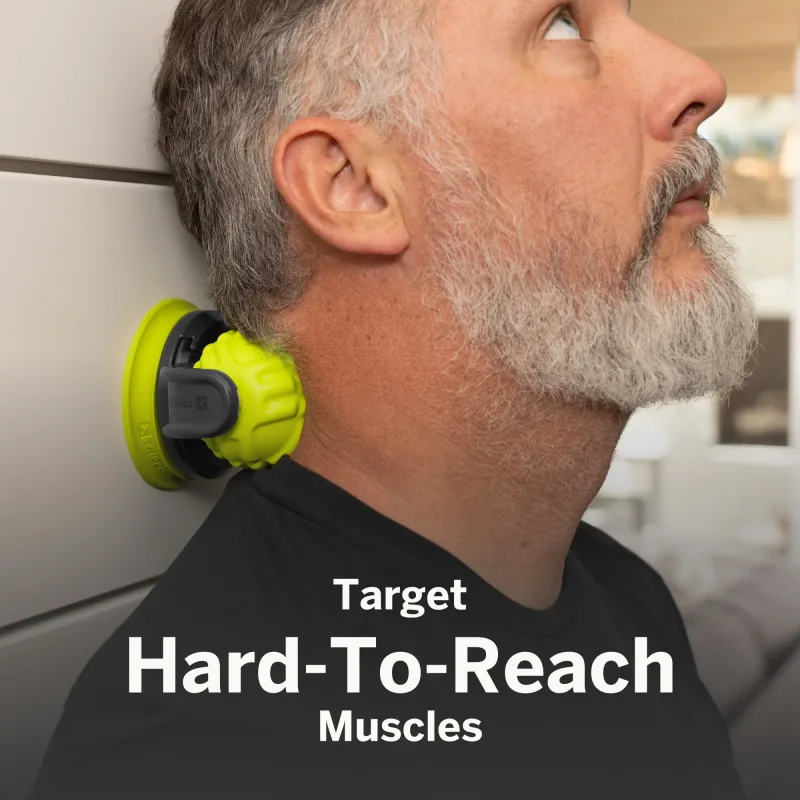
If you want to work on a wall instead of the floor — handy when your back is already cranky — the Mountable Massage Ball Pro sticks to tile or painted drywall and lets you press your shoulder or glute into it standing up.
What to buy first
Start with one roller and one ball. That combination covers roughly 90% of what most people need. Add tools only when a specific spot keeps complaining.
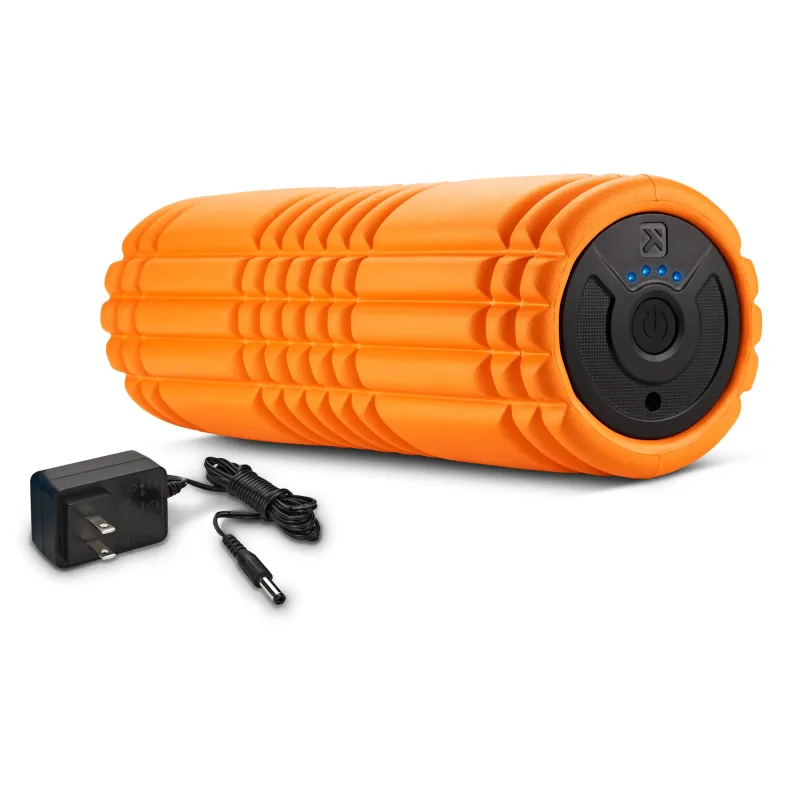
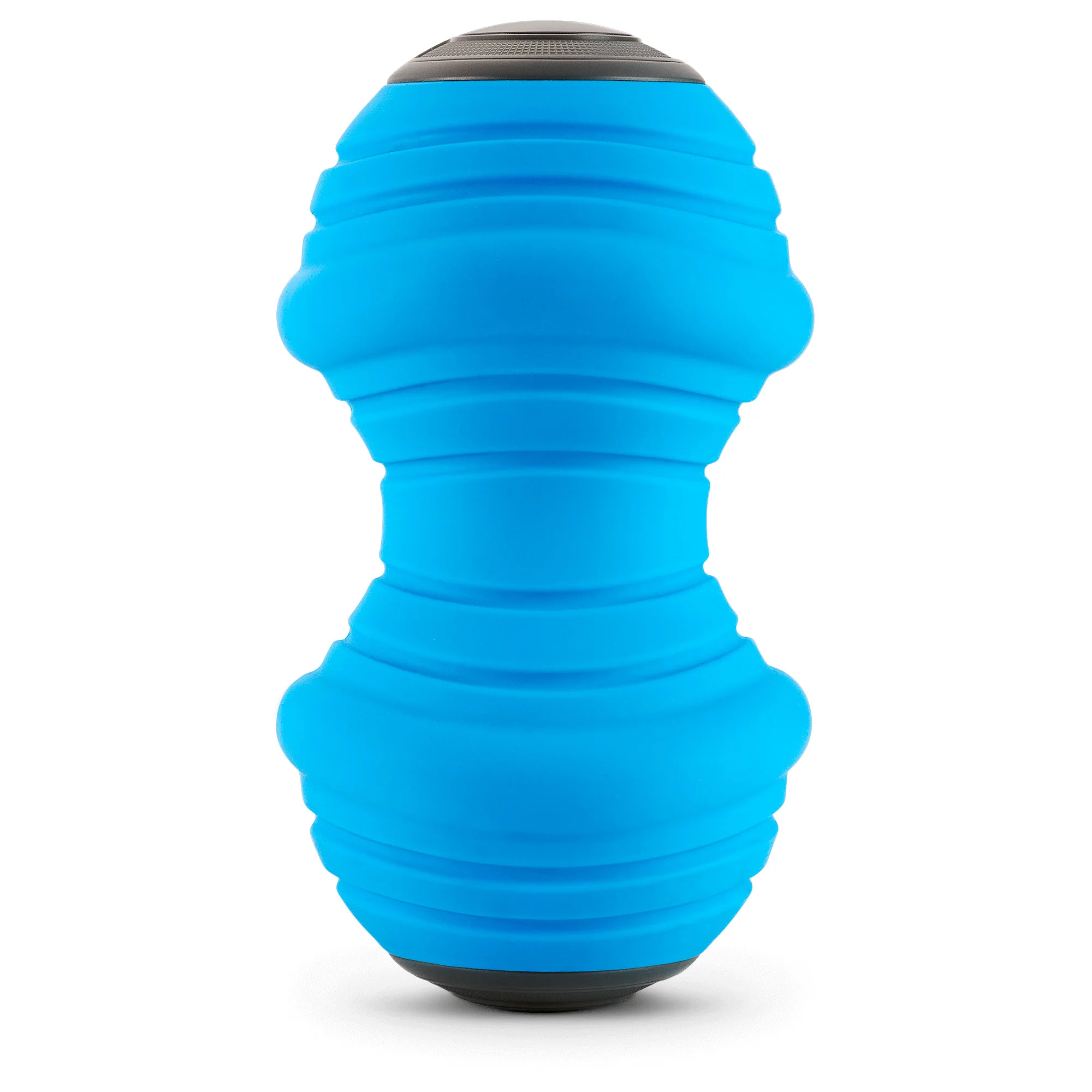
People who lift and run a lot often graduate to a vibrating roller like the GRID VIBE Plus or a handheld unit such as the FUSE Massager, which is easier to aim at a shoulder than a ball on the floor. Neither replaces the basics, though. A cheap roller used daily beats an expensive one that sits in the closet.
And if you're still deciding between the two: buy the roller first. Balls are cheap, small, and easy to add later — plus they fit in a carry-on, which is more than you can say for a 26-inch roller.