Foam Roller vs Massage Ball: How to Choose the Right Recovery Tool
Sore muscles after training are normal, but how you handle that soreness shapes how quickly you bounce back. Two tools dominate most recovery routines: the foam roller and the massage ball. They look simple, yet they solve different problems. A roller covers broad areas like the quads, back, and calves, while a ball digs into tight, hard-to-reach spots such as the glutes, shoulders, and feet. Understanding that difference is the fastest way to build a routine that actually works for you.
Foam Rollers: Broad Coverage for Large Muscle Groups
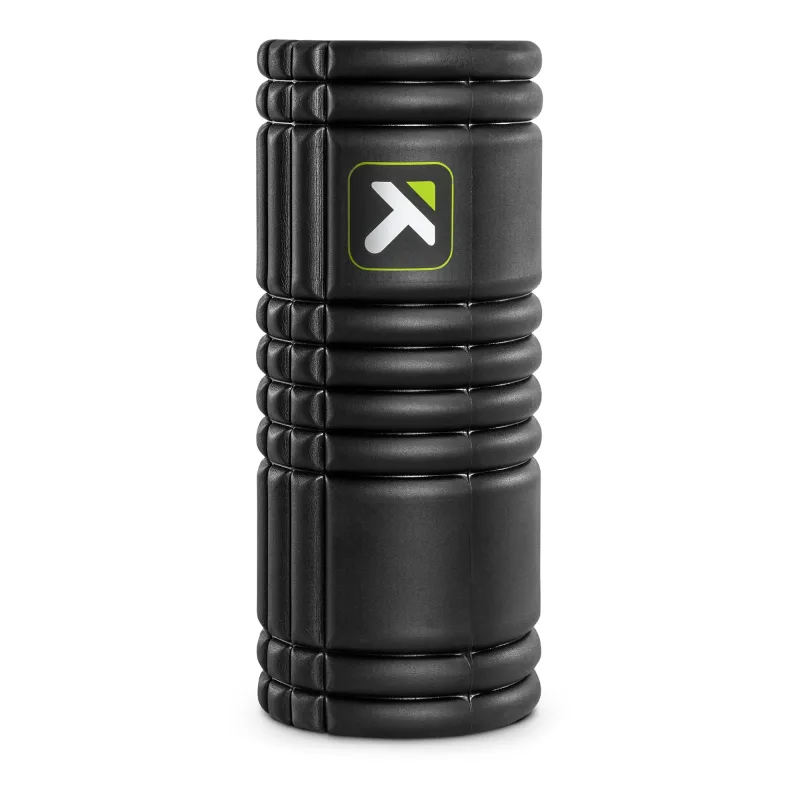
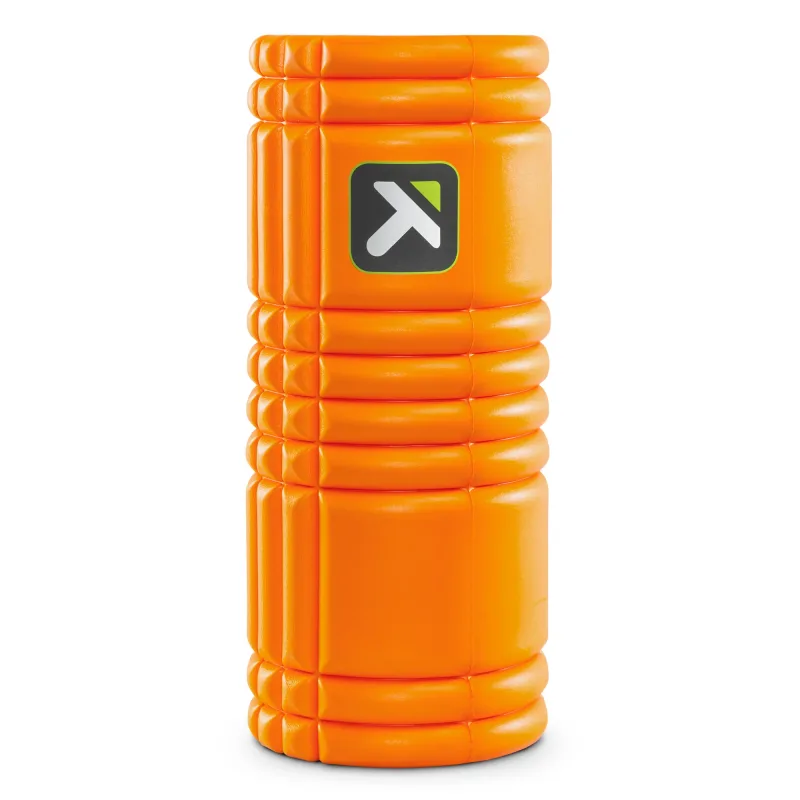
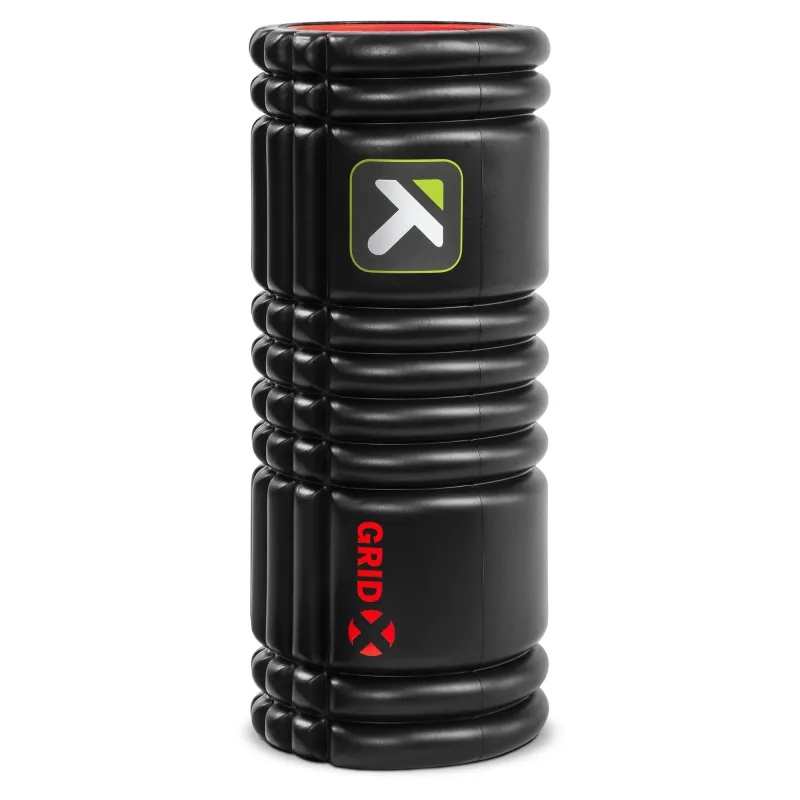
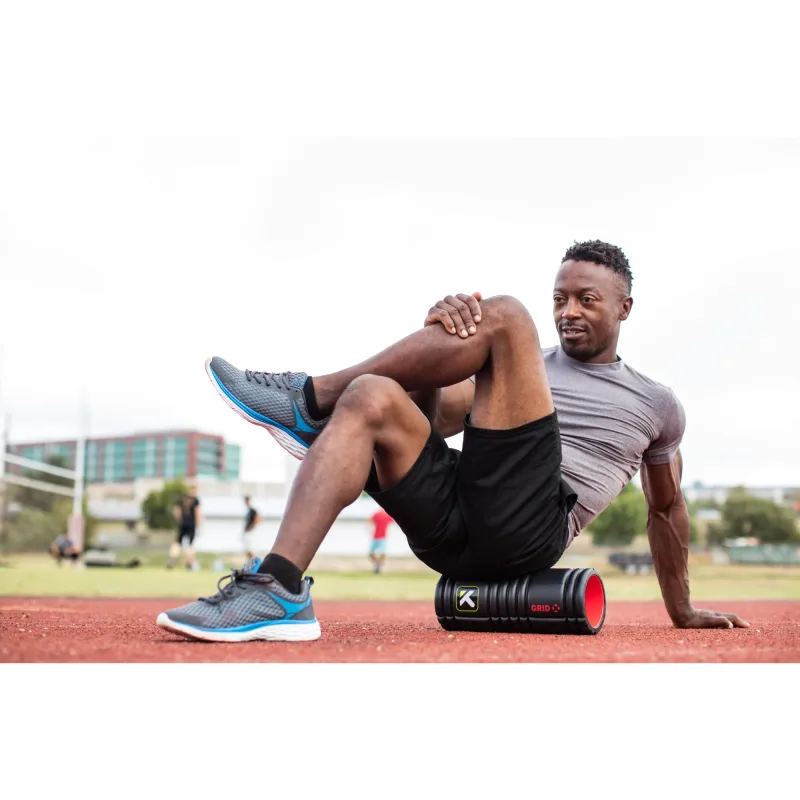
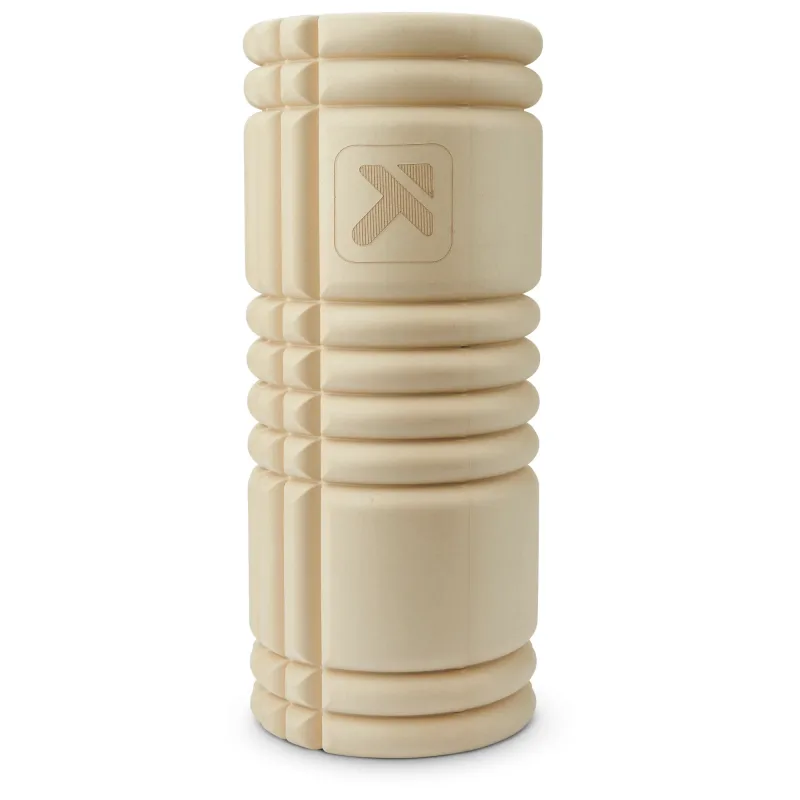
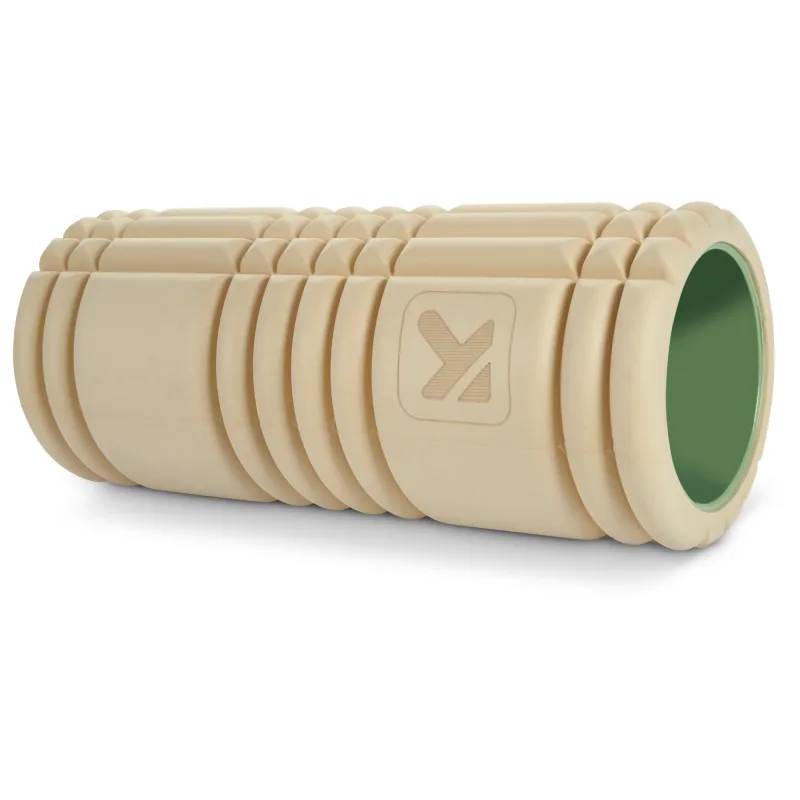
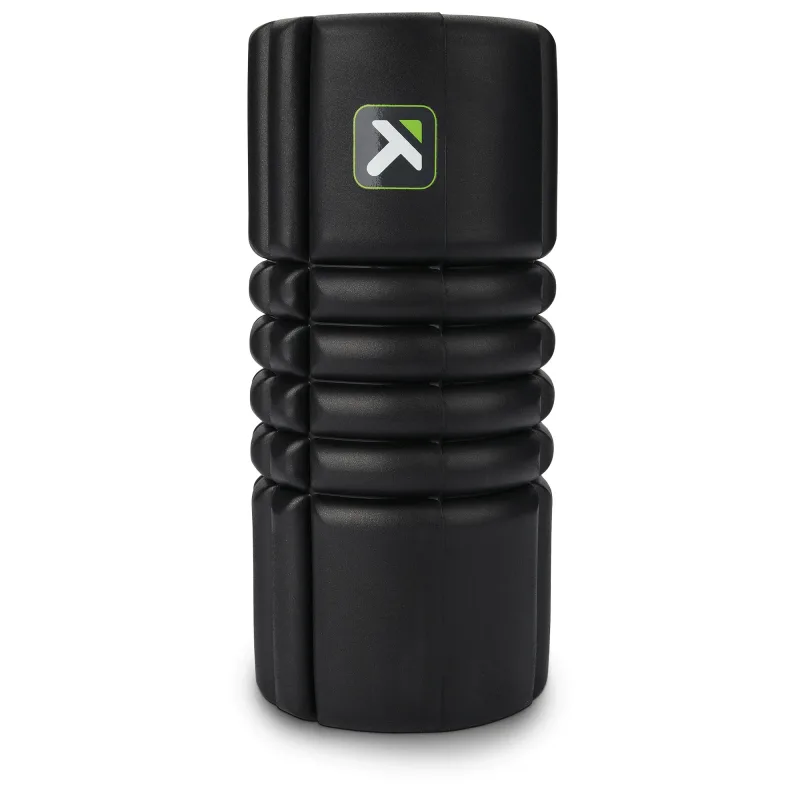
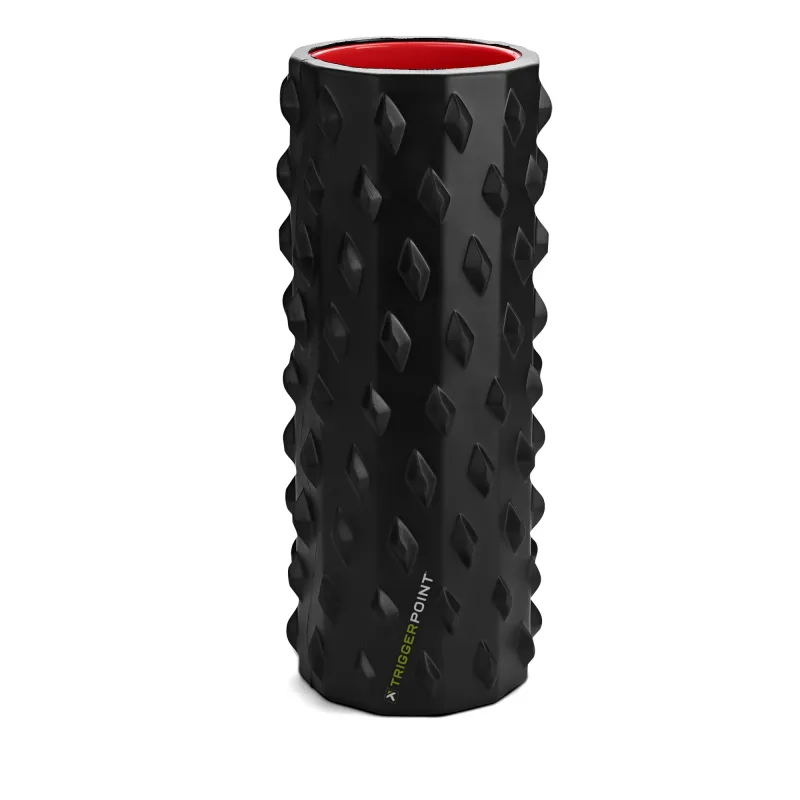
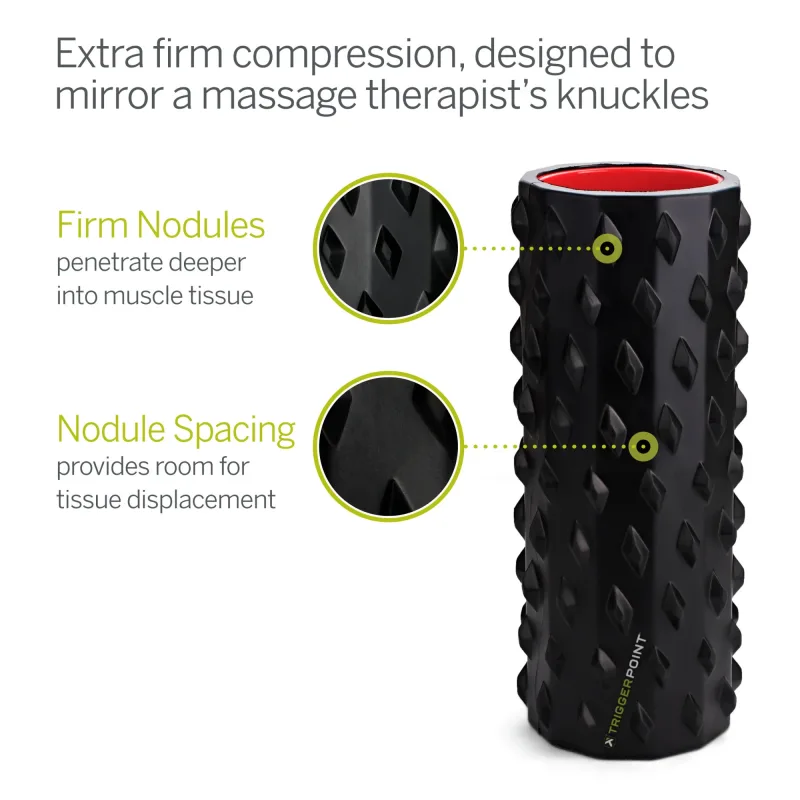
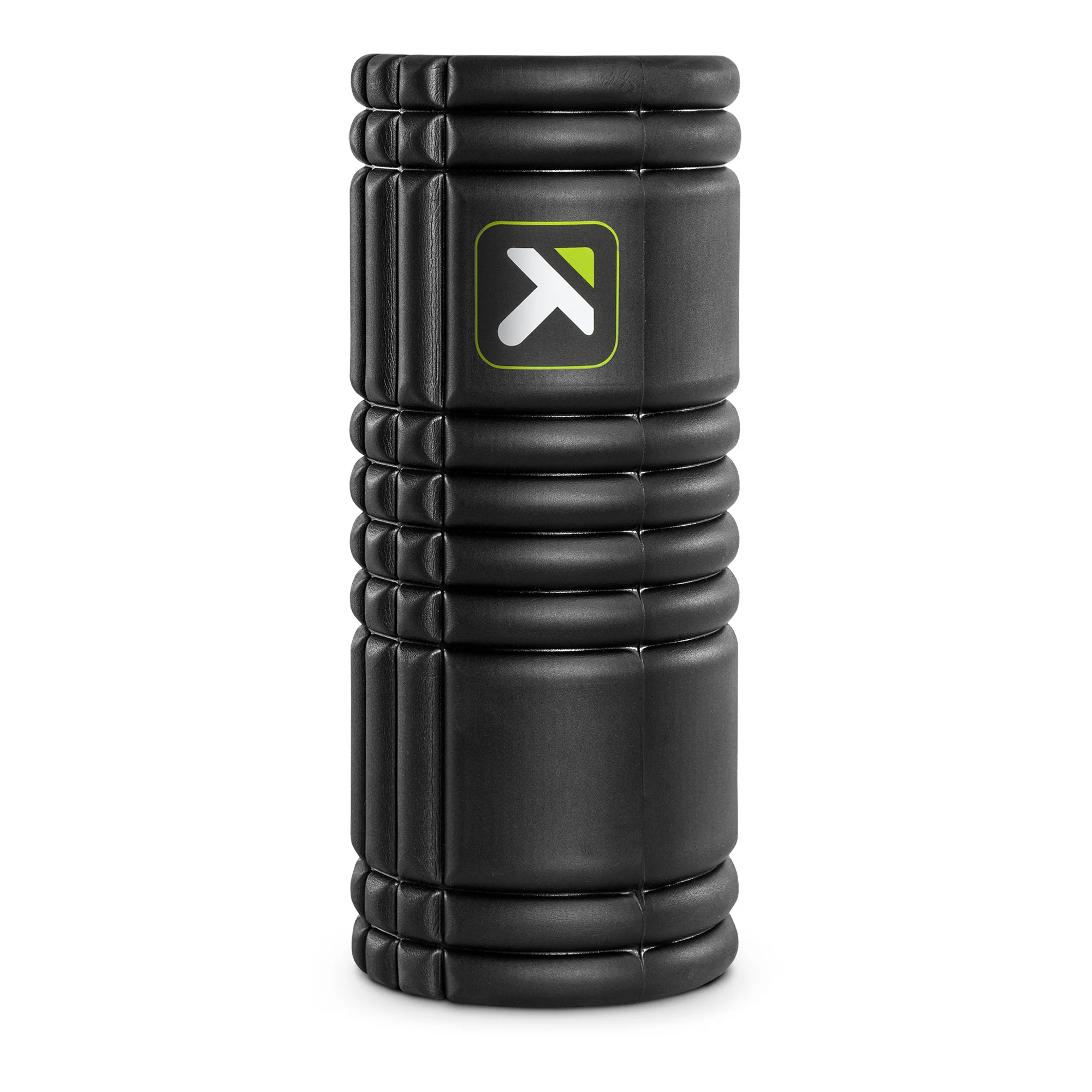
Foam rollers are the workhorses of self-myofascial release. Their long surface lets you roll along an entire muscle group in smooth, controlled passes. The GRID 1.0 Foam Roller is a great starting point thanks to its hollow-core design and varied surface zones, which mimic the feeling of a therapist's hands. If you want firmer pressure for dense areas, the GRID X Foam Roller delivers a more aggressive texture. For an eco-conscious option, the Eco GRID 1.0 Foam Roller offers similar performance with recycled materials.
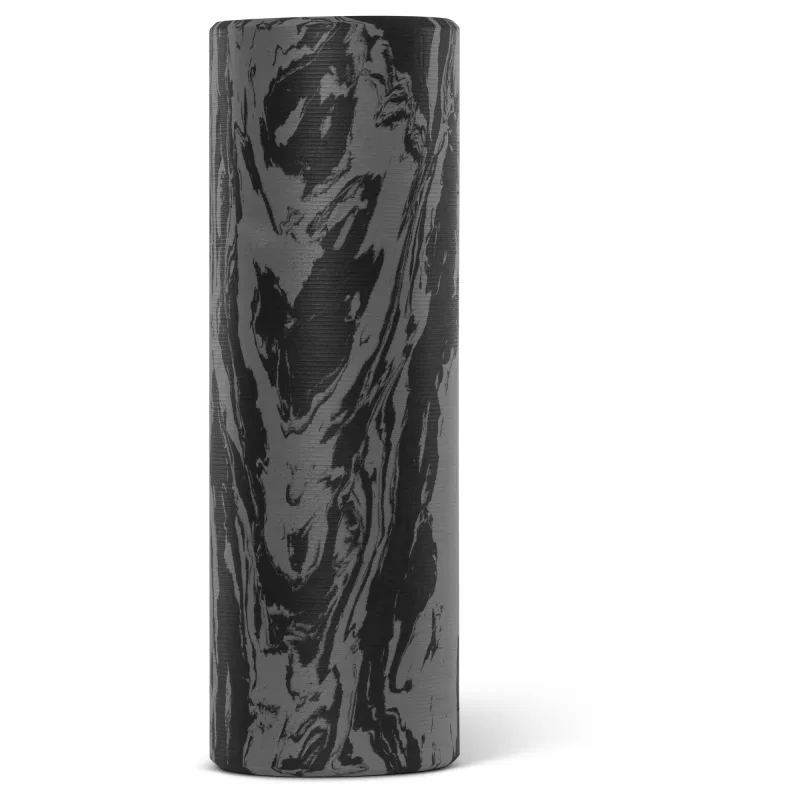
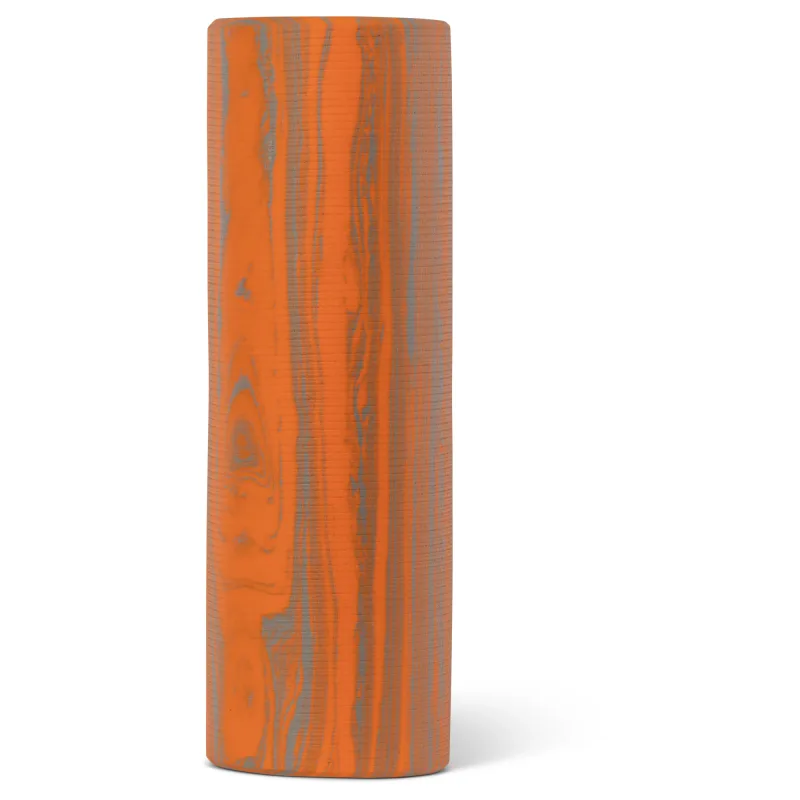
Beginners often prefer a gentler surface. The Foundations Roller provides a softer density that eases you into rolling without overwhelming tender spots. If you travel or train at a gym, the GRID Travel packs down easily, and the Carbon Foam Roller keeps things lightweight without sacrificing structure.
When a Roller Is the Right Call
- You want to cover large areas quickly, like hamstrings or lats.
- You prefer a stable, full-body warm-up before training.
- You need to roll out after long runs, rides, or leg days.
Massage Balls: Precision Pressure for Stubborn Knots
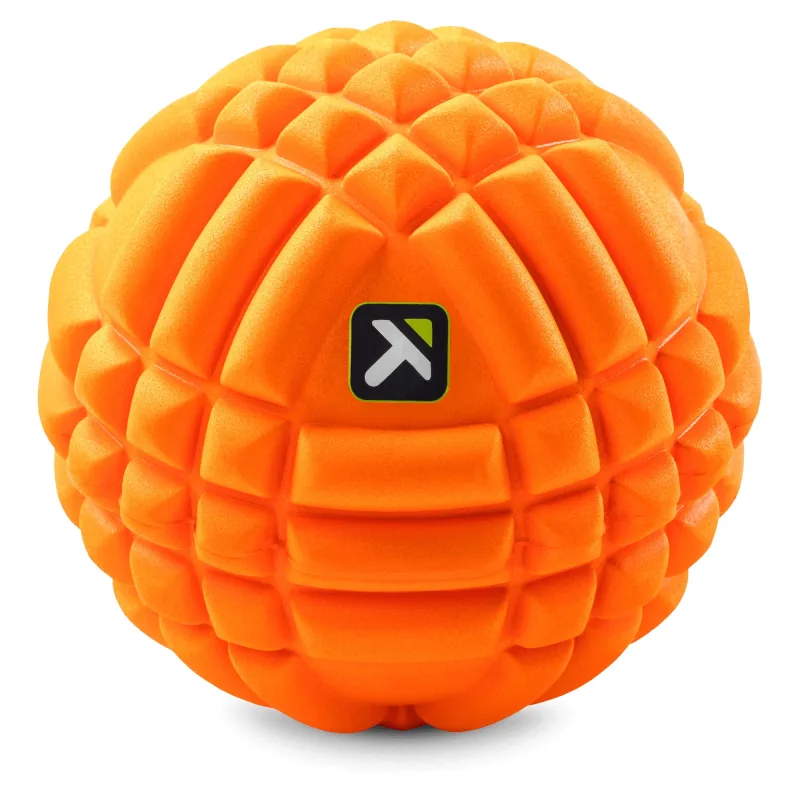
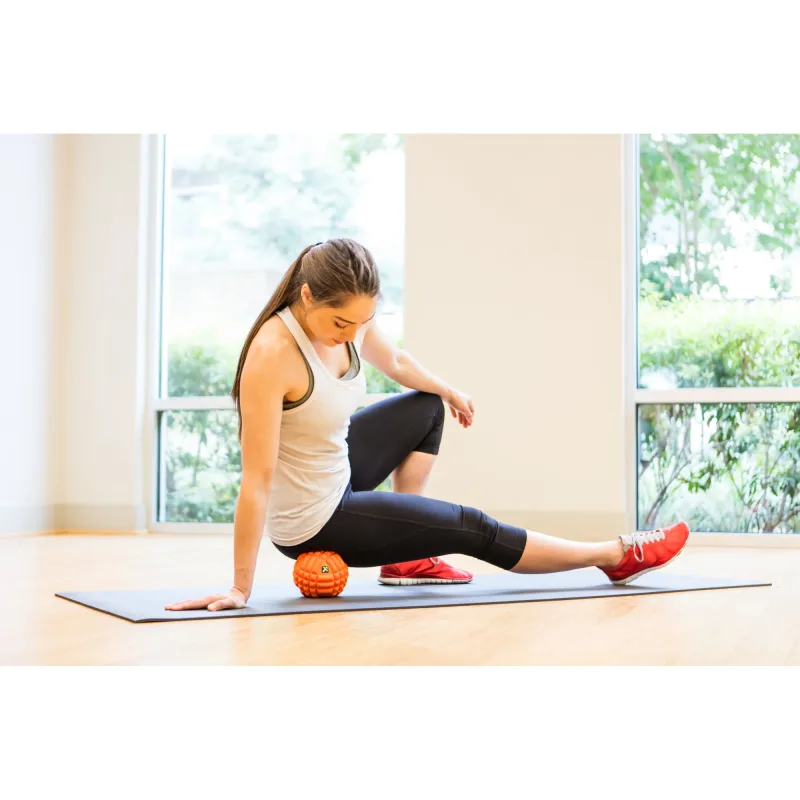
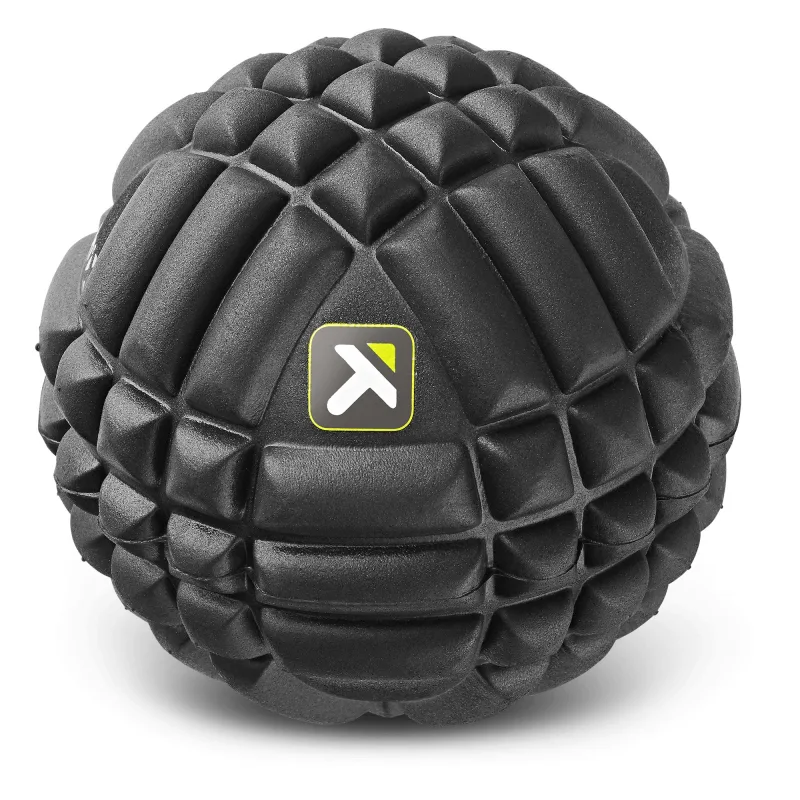
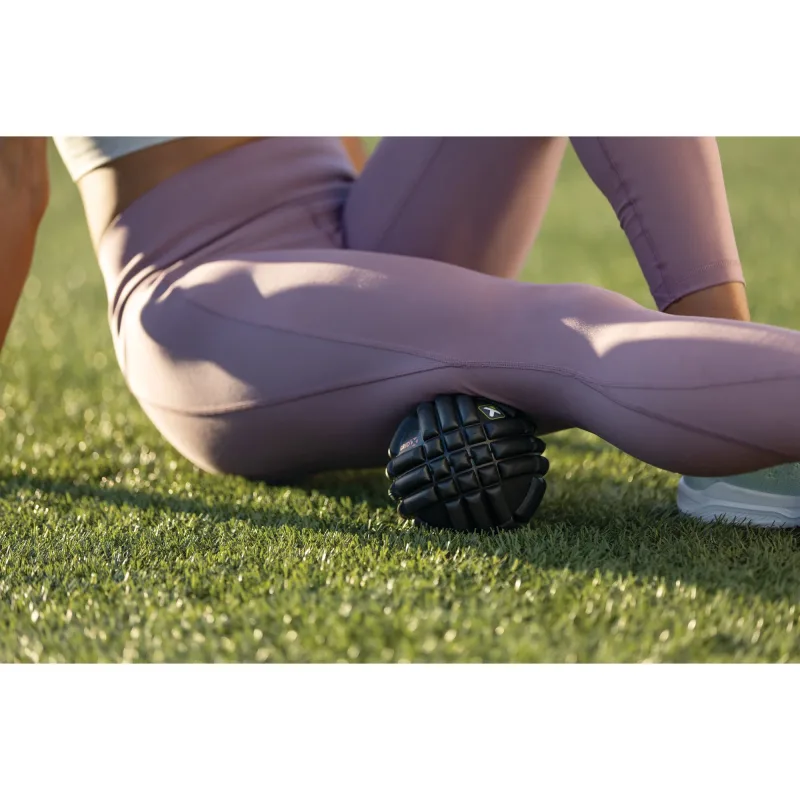
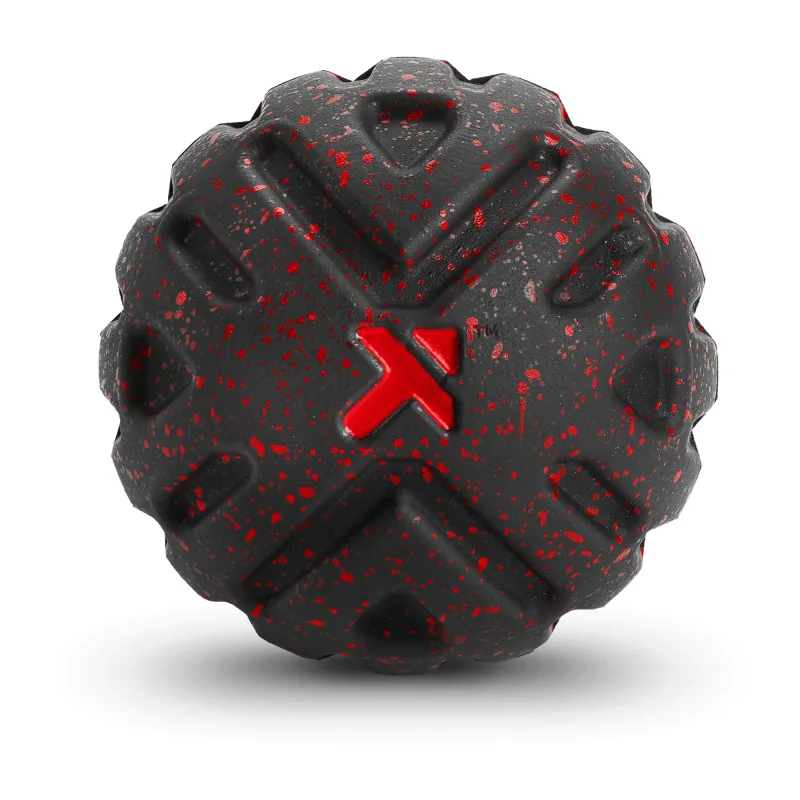
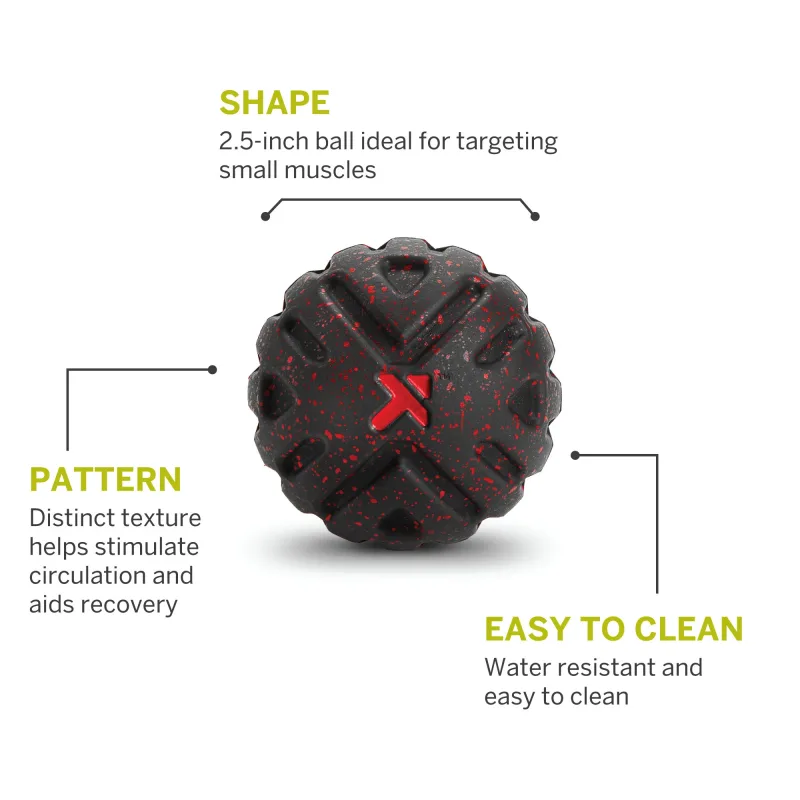
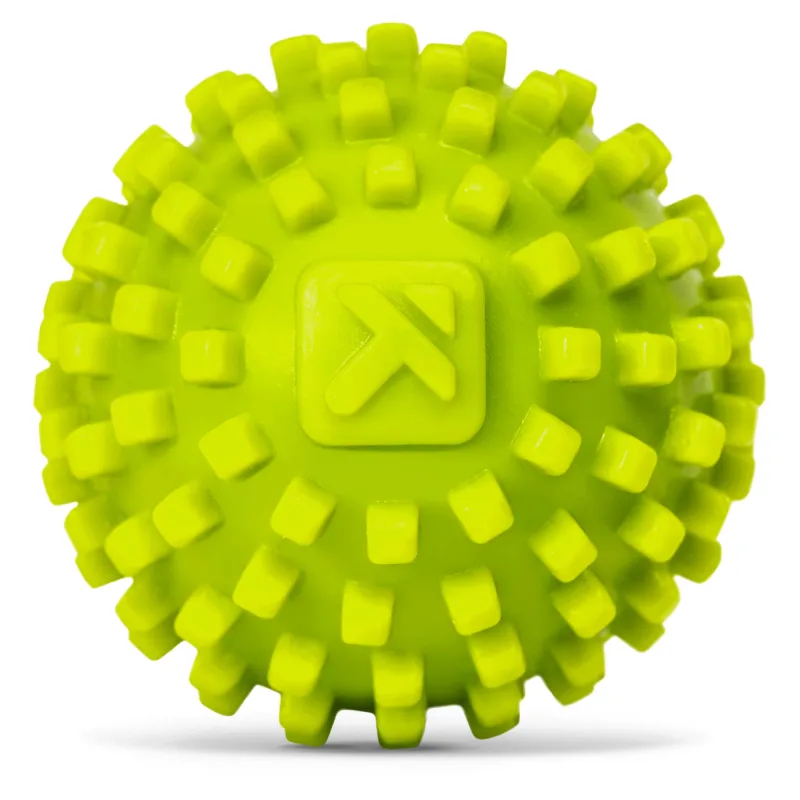
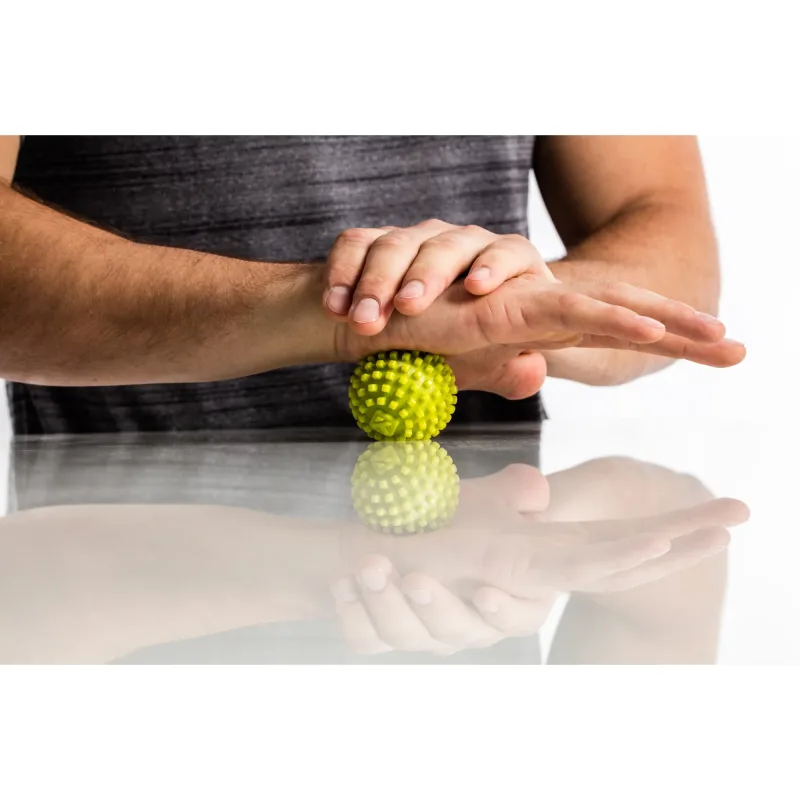
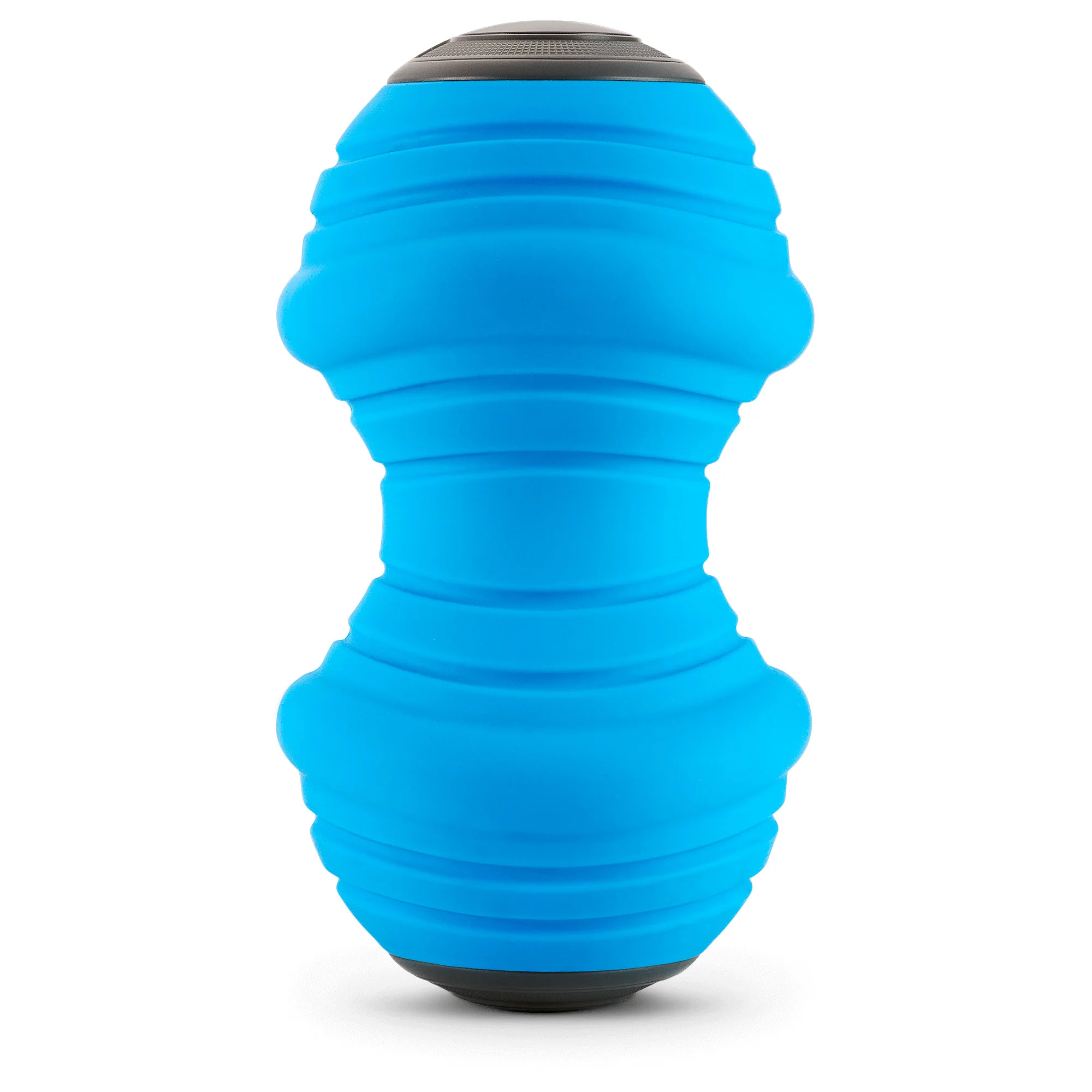
Massage balls concentrate pressure into a small point, which makes them ideal for trigger points and areas a roller cannot reach. The GRID Ball is a versatile choice for glutes, chest, and shoulders, while the GRID X Ball adds firmer density for deeper work. Need something even more targeted? The MB Deep Tissue is built for dense, stubborn spots, and the smaller MobiPoint Massage Ball lets you pinpoint small areas with precision.
Balls also shine for foot and hip work. Because you control the pressure with your body weight, you can ease in gradually instead of forcing a tender area. That control makes them a smart companion to any roller session.
When a Ball Is the Right Call
- You have a specific knot that a roller keeps missing.
- You need relief in the glutes, upper back, or shoulders.
- You want portable recovery that fits in a gym bag.
Handheld and Foot Tools for Hard-to-Reach Areas
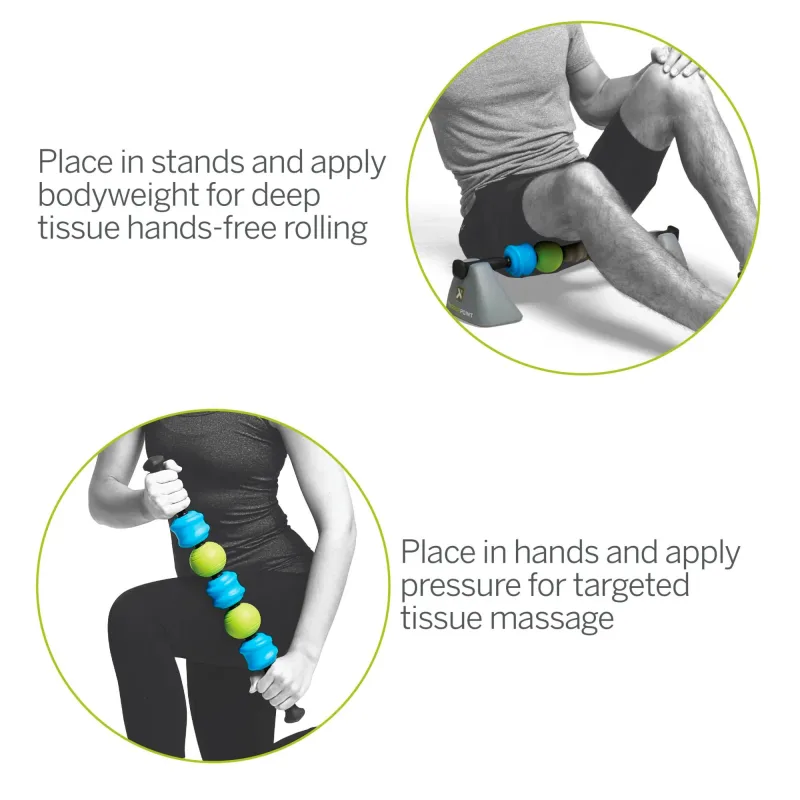
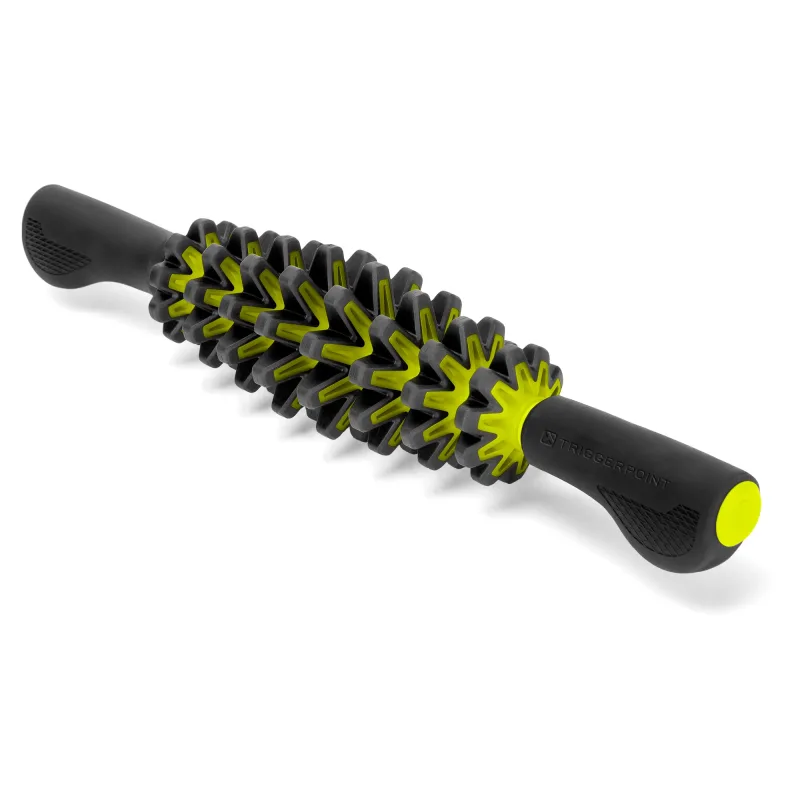
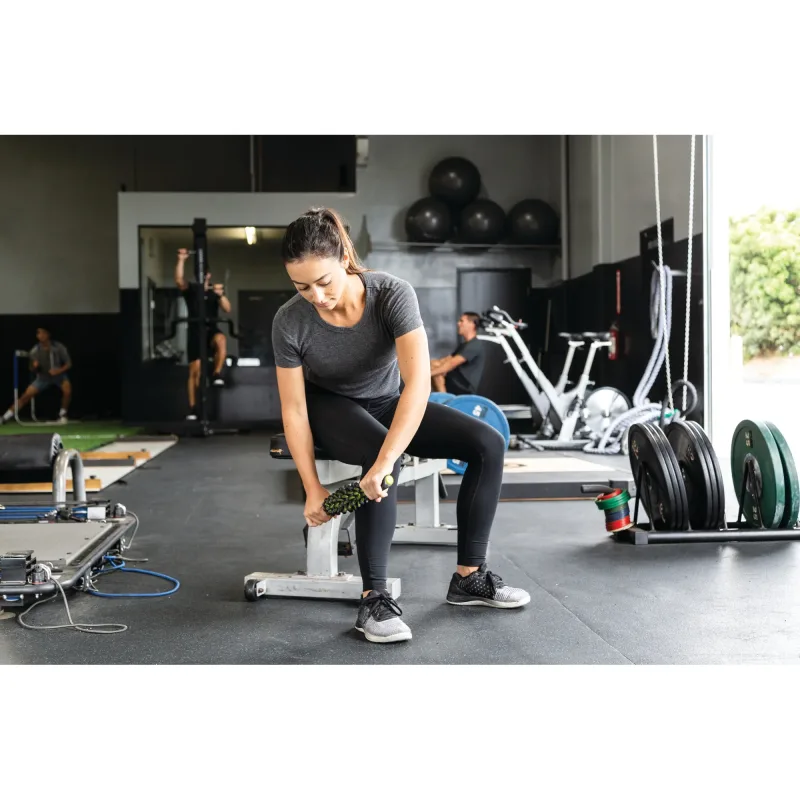
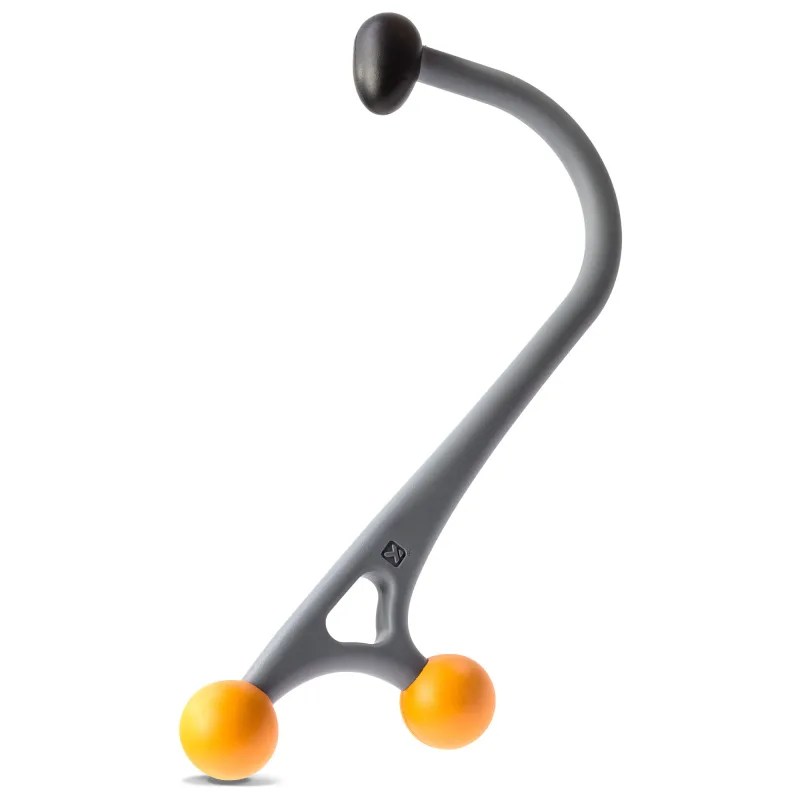
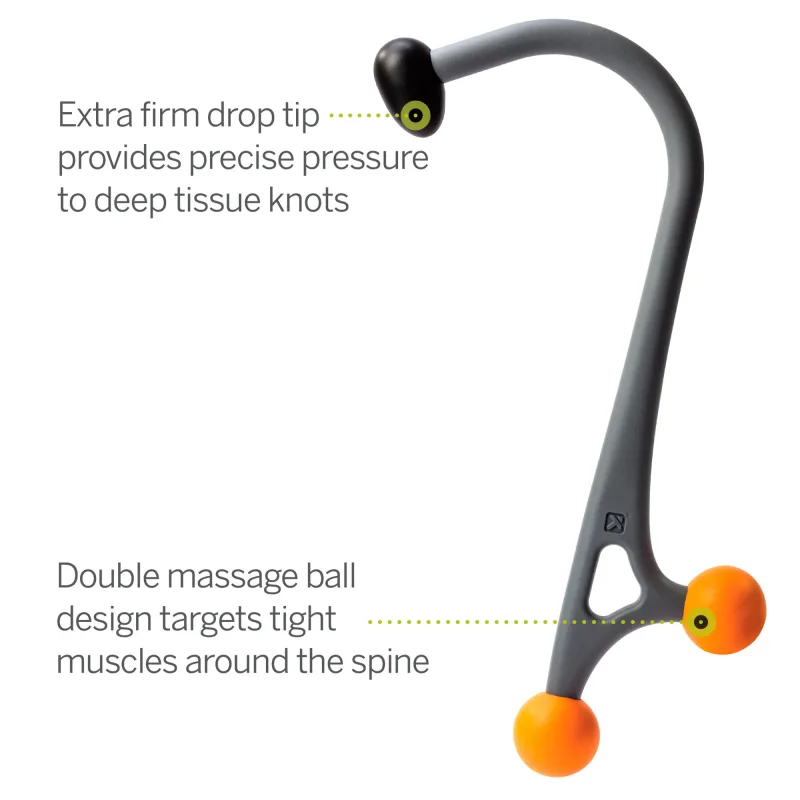
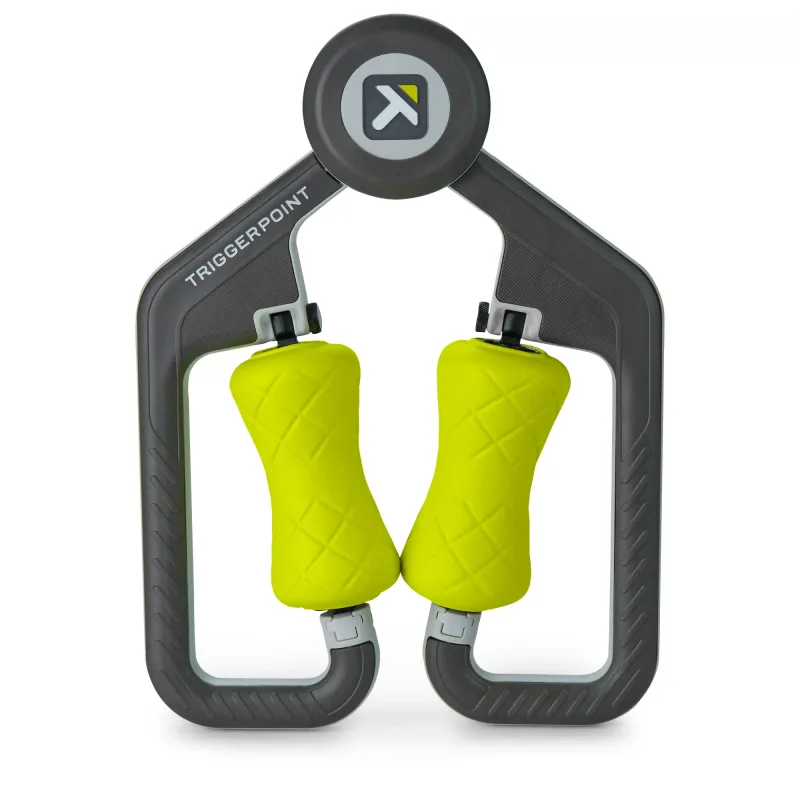
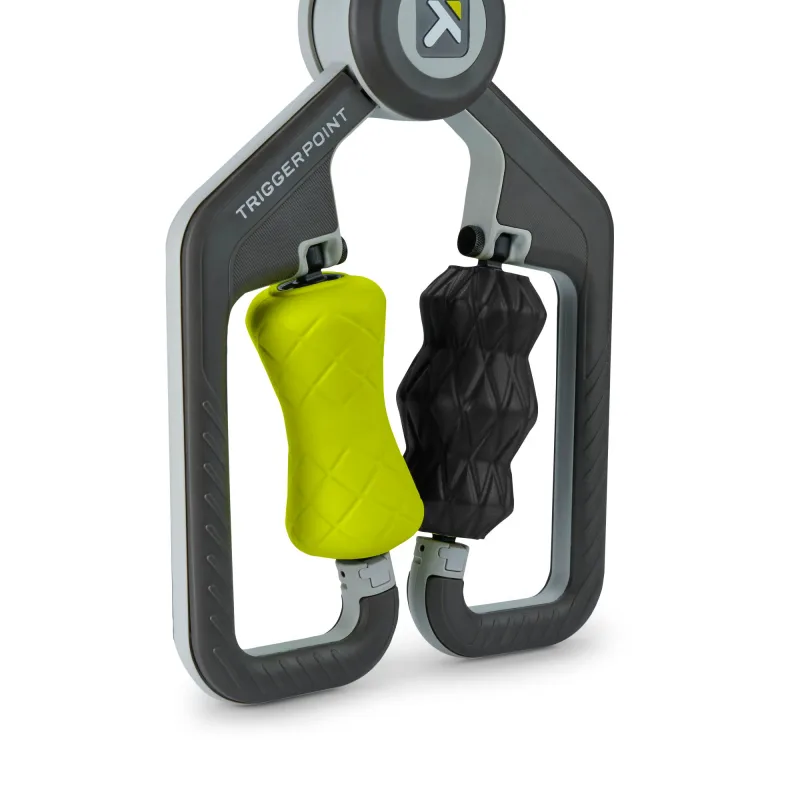
Some spots simply resist both rollers and balls. That is where handheld tools and foot rollers earn their place. The STK Fusion and STK Target let you apply leverage to calves, hamstrings, and shoulders without getting on the floor. For curved areas like the neck and lower legs, the AcuCurve Cane reaches angles that flat tools cannot. If you want vibration to complement manual pressure, the FUSE Massager adds a different sensation to your routine.
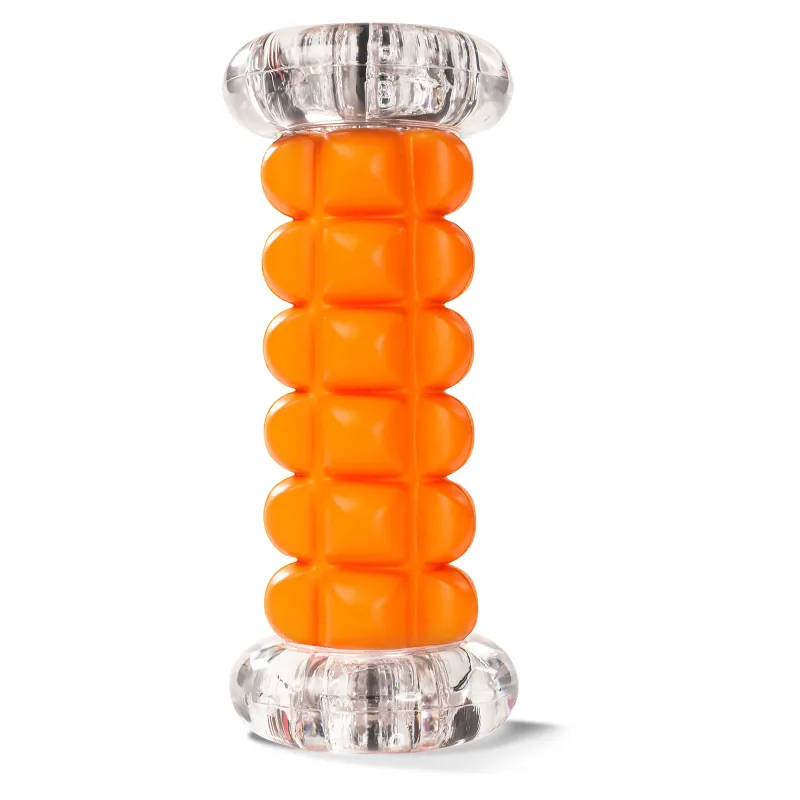
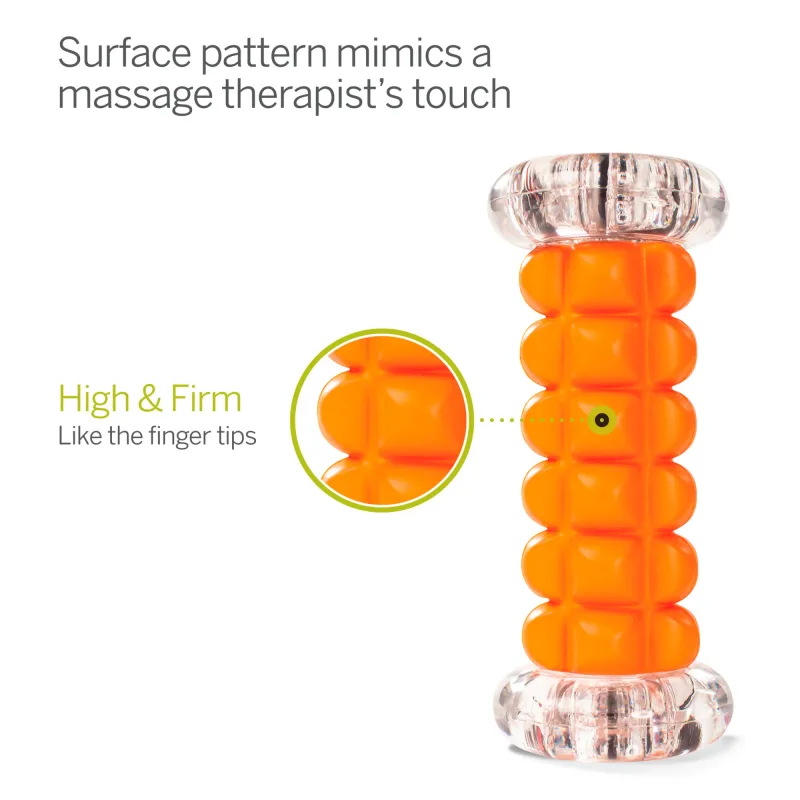
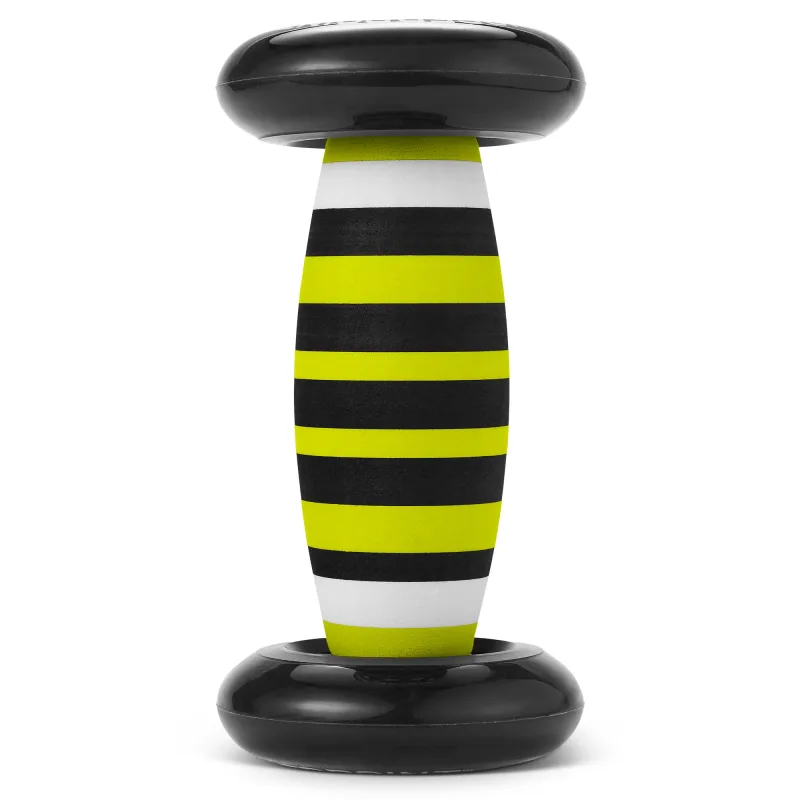
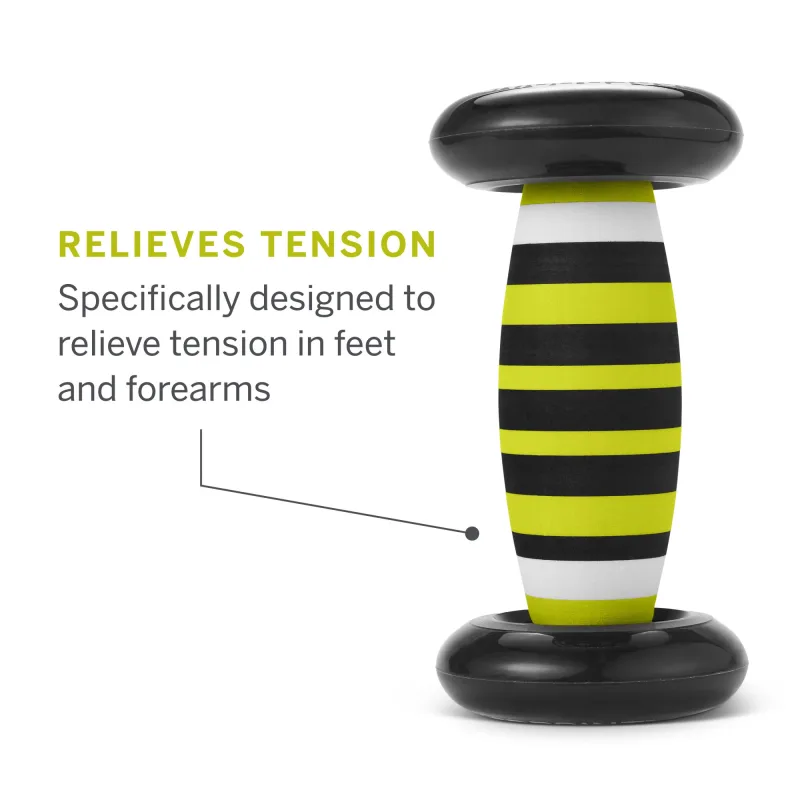
Feet deserve their own mention. The NANO Foot Roller and NANO LTE Foot Roller are designed for arch and plantar work, making them useful after long days on your feet or hard training blocks.
Quick Selection Guide by Body Area
- Quads, hamstrings, back: foam roller.
- Glutes, shoulders, chest: massage ball.
- Calves and neck: handheld tool or cane.
- Feet and arches: foot roller.
A Simple Daily Routine
Start with two to three minutes of rolling on the largest muscle groups to warm tissue. Then spend one minute per side using a ball on any tight spots you noticed. Finish with a handheld or foot tool for the areas that still feel restricted. Keep pressure moderate, breathe steadily, and never roll directly over joints or acute injuries. If you are unsure where to begin, pairing a roller with a ball covers the widest range of needs, and you can add specialized tools as your routine grows.