Foam Roller vs Massage Ball vs STK Cane: Which One Do You Actually Need?
Most people buy their first recovery tool backwards. They feel a knot in their calf, grab whatever is on sale, and hope for the best. Two weeks later the thing is under the bed collecting dust. The fix isn't buying more gear — it's matching the tool to the shape of the muscle you're working on. A roller can't dig into a shoulder blade. A small ball can't cover your whole quad. Here's how the three main categories actually behave on a body.
What Each Tool Does Best
Think about surface area and pressure. A foam roller spreads your body weight across a wide, flat surface, so the pressure stays moderate and you cover ground fast. A massage ball concentrates that same weight into a spot the size of a plum, which is why it feels sharper. A cane gives you leverage — you pull or push with your arms instead of loading the tool with your body weight.
Quick rule of thumb: big muscles get the roller, small stubborn spots get the ball, and anything you can't reach with either gets the cane.
Foam Rollers: Large Areas and Warm-Ups
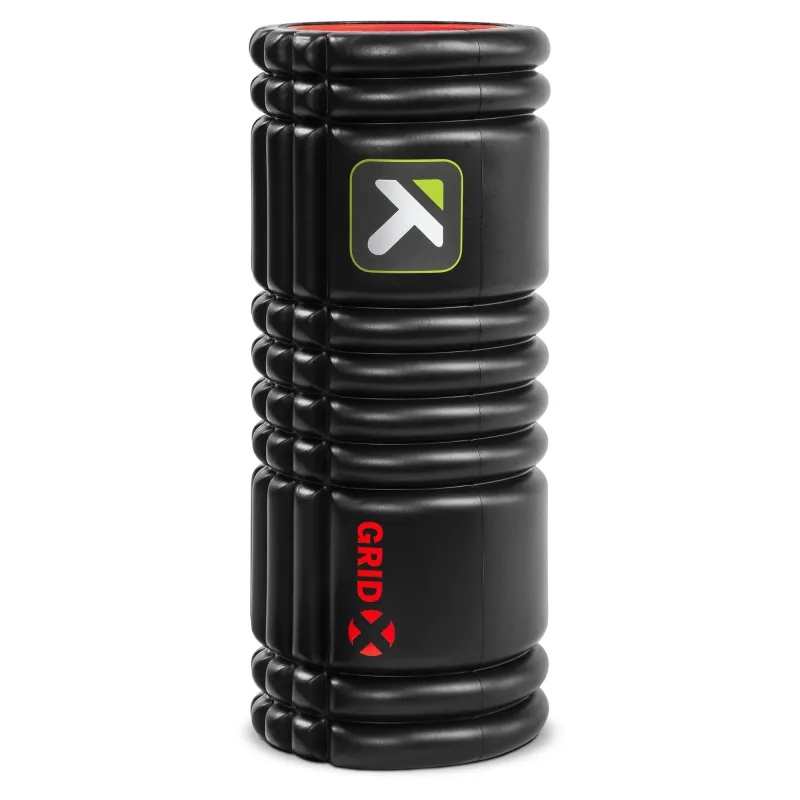
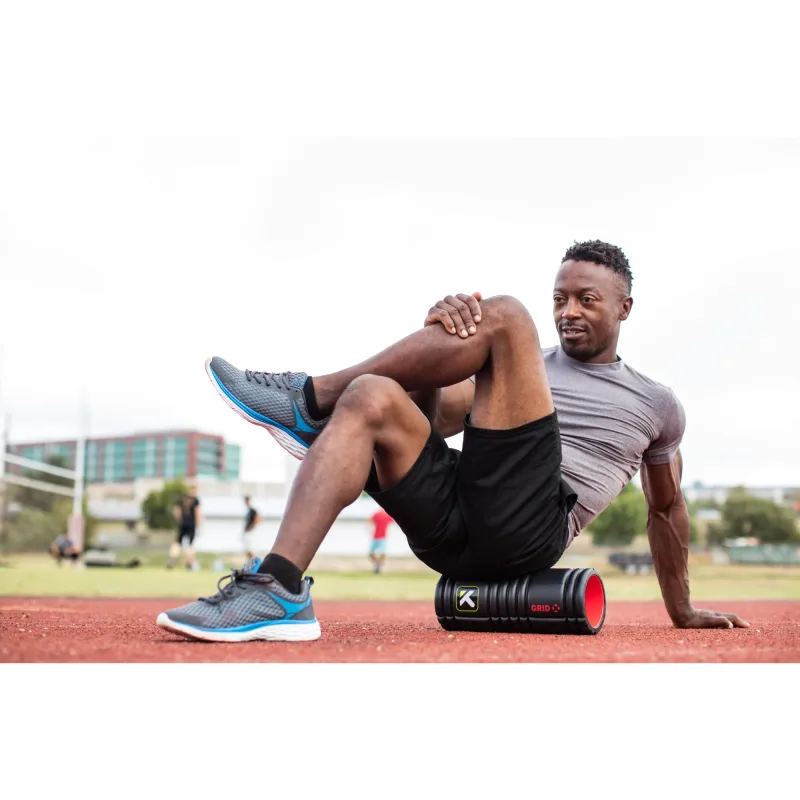
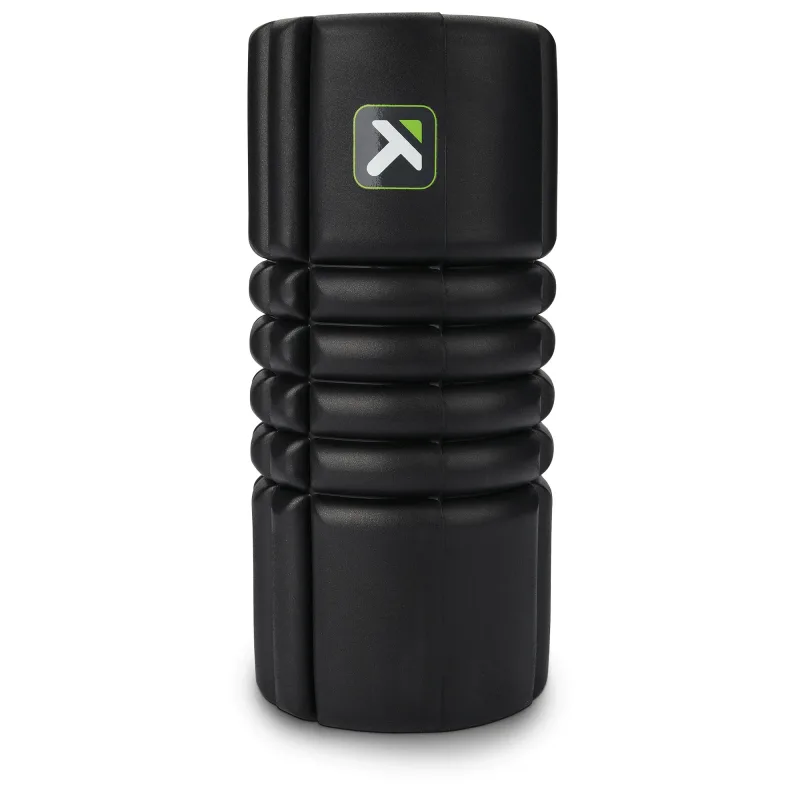
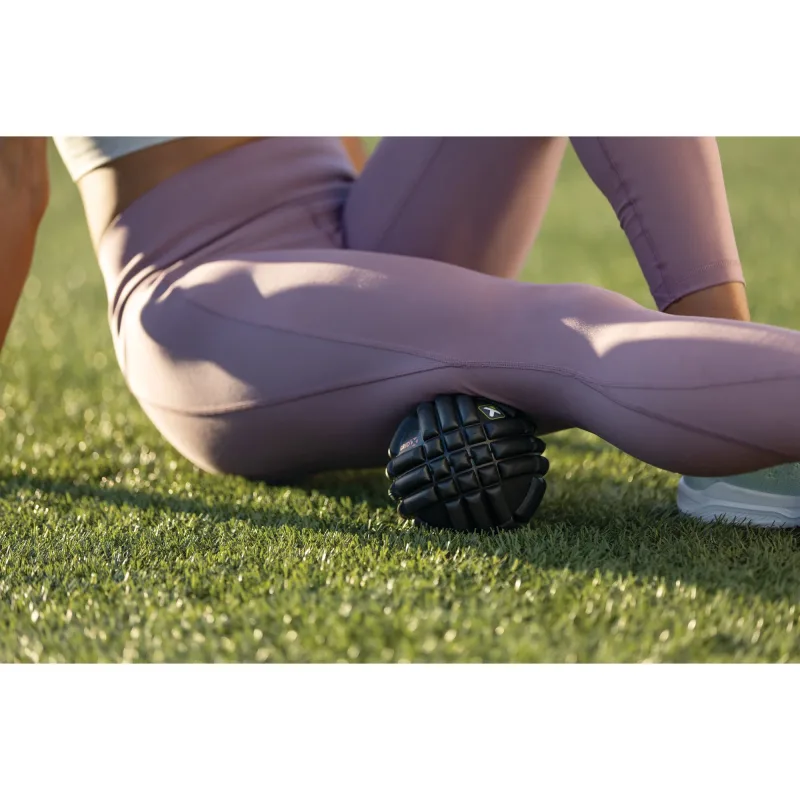
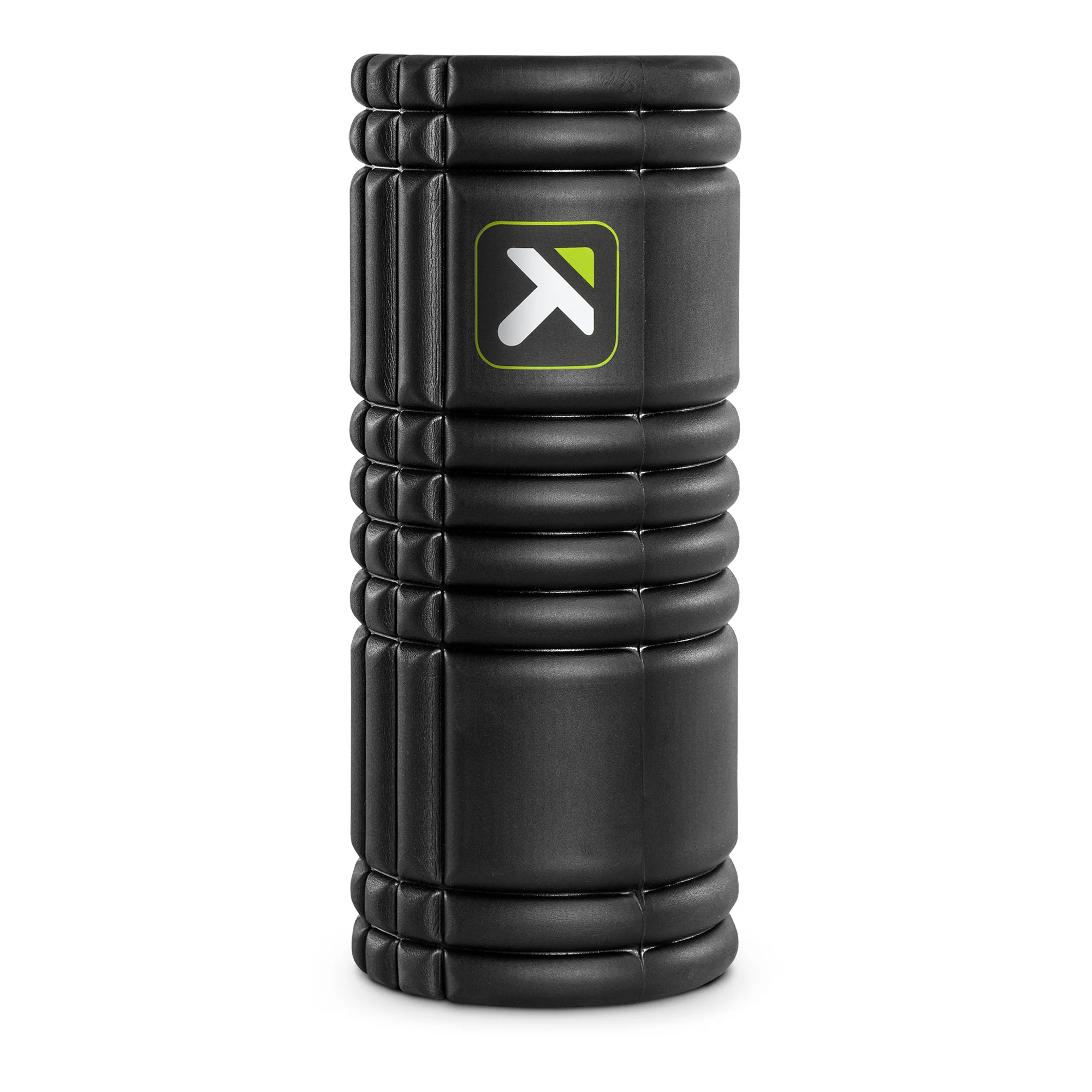
Quads, IT bands, lats, hamstrings, upper back — these are roller territory. The hollow-core design on the GRID X Foam Roller gives it a firmer feel than a plain EVA cylinder, and the raised segments mimic the shape of hands. That texture matters. A flat roller glides over tight tissue; a segmented one gets in between muscle groups.
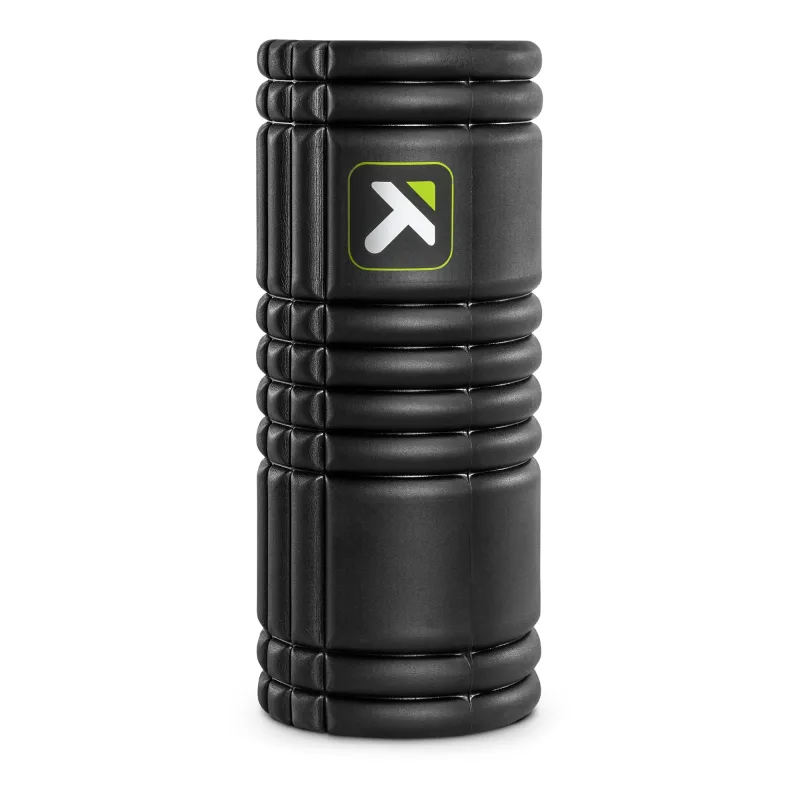
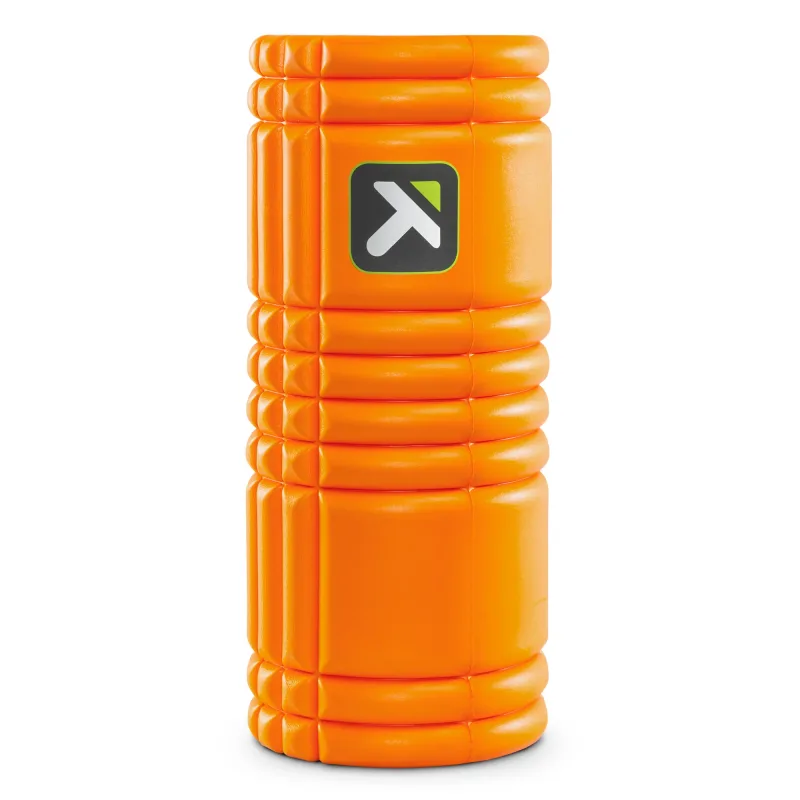
If you're newer to rolling, something with slightly softer density is easier to tolerate. The GRID 1.0 Foam Roller is the version most people start with, and it holds up fine for daily use. For travel, the shorter GRID Travel fits in a carry-on or a gym bag without eating half the space.
Two things I'd skip. Don't roll directly over your lower back — the lumbar spine doesn't like extension under load. And don't spend ten minutes on one spot. Ninety seconds per muscle group, slow passes, is plenty.
Massage Balls: Pinpoint Work on Shoulders, Glutes, and Feet
This is where the real discoveries happen. Your glutes, the area around your shoulder blades, and the arch of your foot all have small, dense trigger points that a roller simply rolls past.
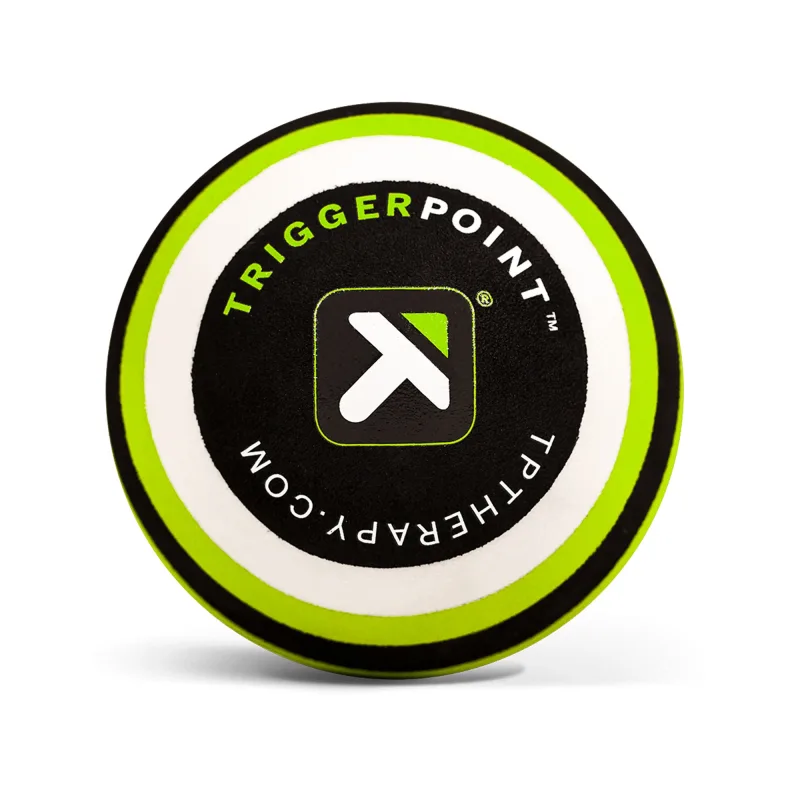
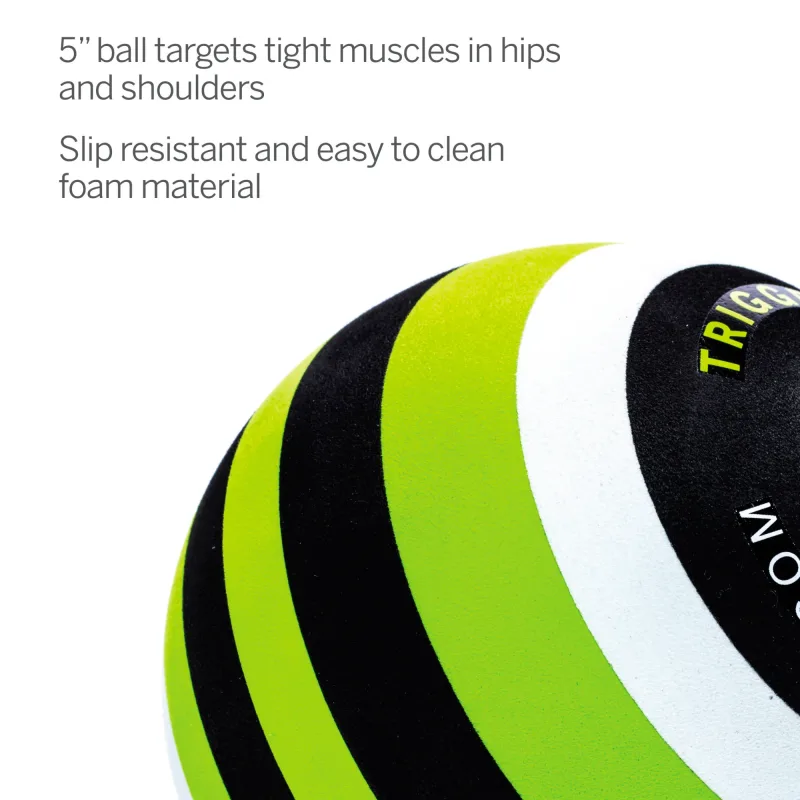
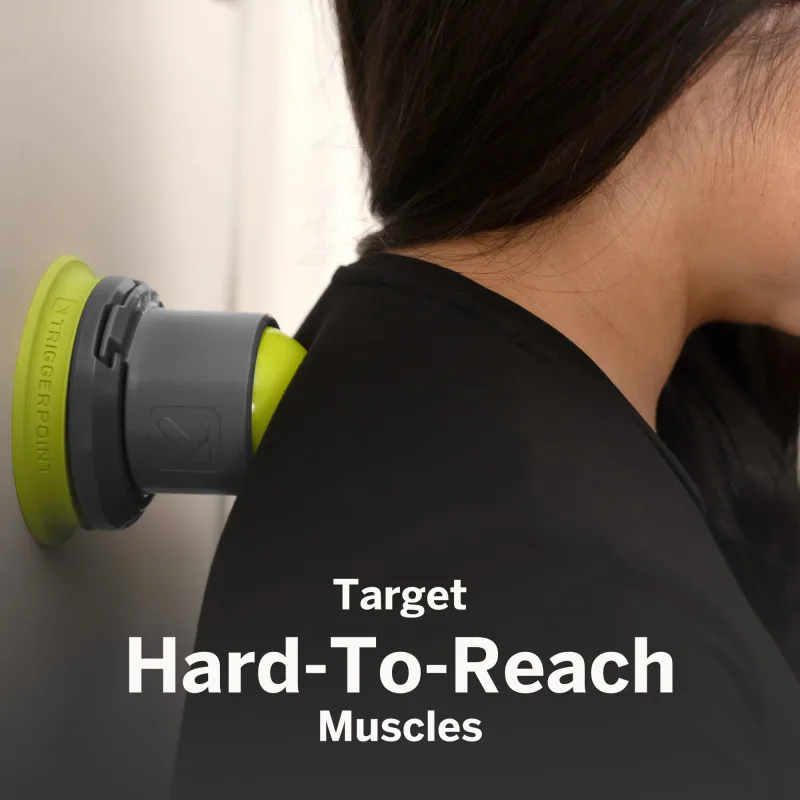
The MB5 Massage Ball is the middle-of-the-road option — roughly the size of a tennis ball, firm enough to be useful on glutes without making you wince. For shoulders, place it between your back and a wall, lean in, and move slowly. For feet, stand and roll it under your arch with light pressure at first.
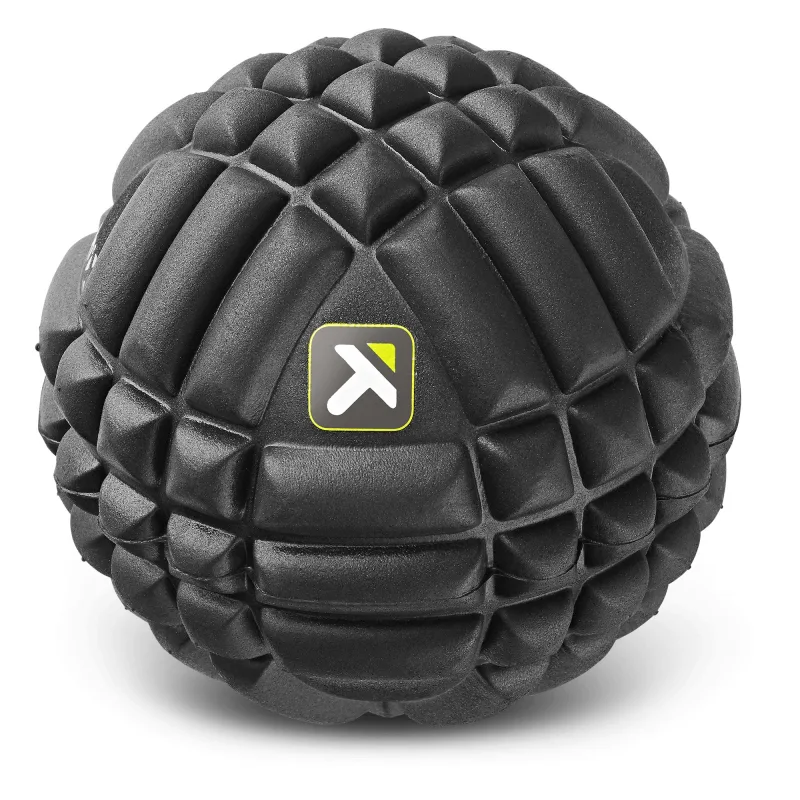
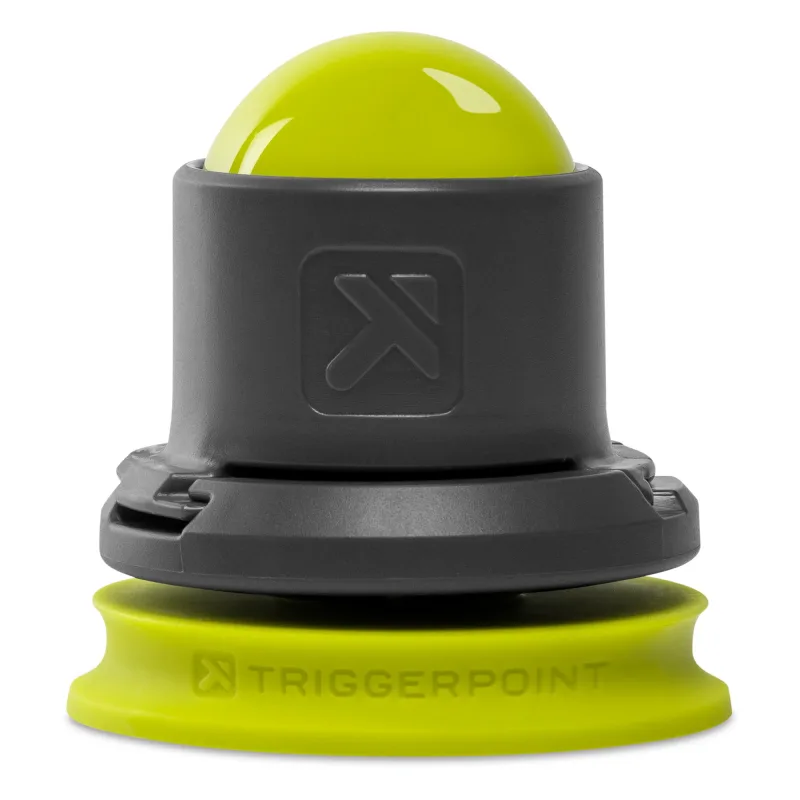
Want something more aggressive? The GRID X Ball carries the same textured surface as the roller but in a compact size, so you get that grip against tissue that a smooth ball slides off. And if you need to reach a spot you can't hold in place, the Mountable Massage Ball sticks to a wall or floor so you can lean in and let your body weight do the work.
Canes and Foot Rollers: Hard-to-Reach and Small Areas
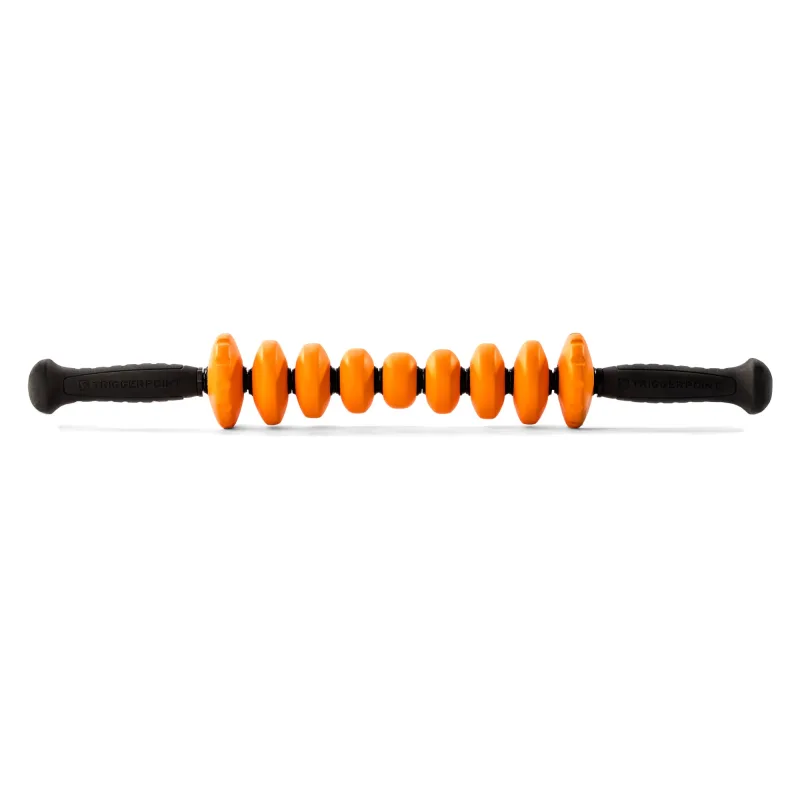
Your upper traps, the space beside your spine, and your calves when you're sitting at a desk — these are awkward for both rollers and balls. That's the gap a cane fills. The curved hooks on the STK Contour let you wrap around a shoulder or a calf and pull, which is far more precise than trying to balance on a ball.
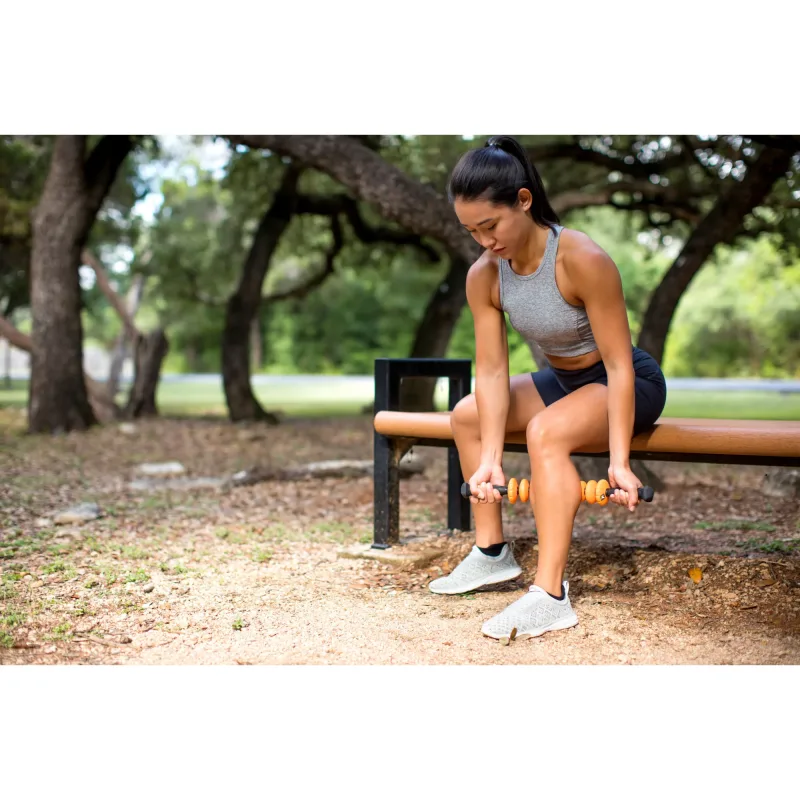
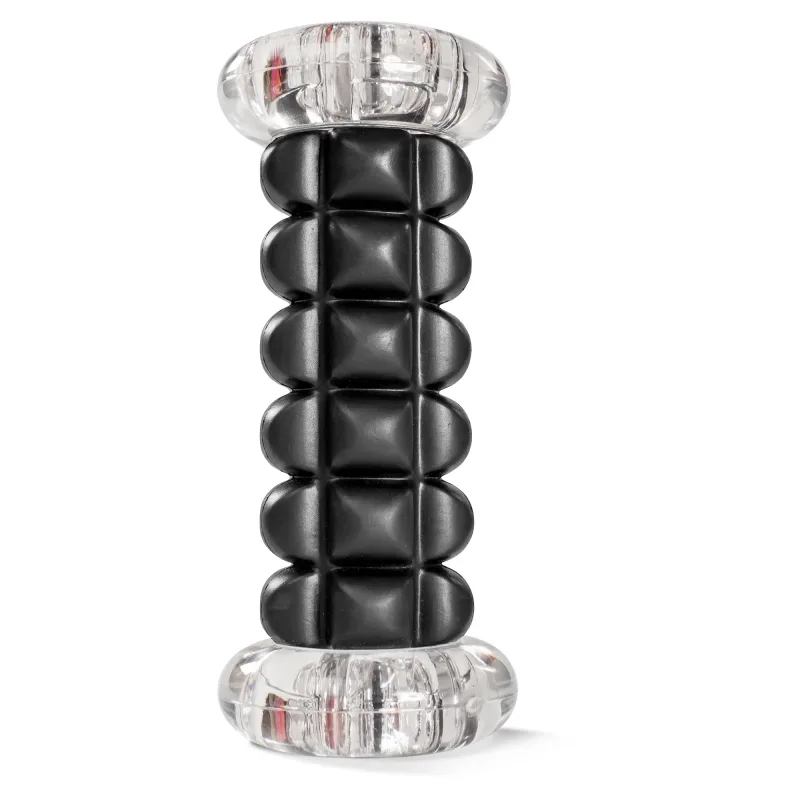
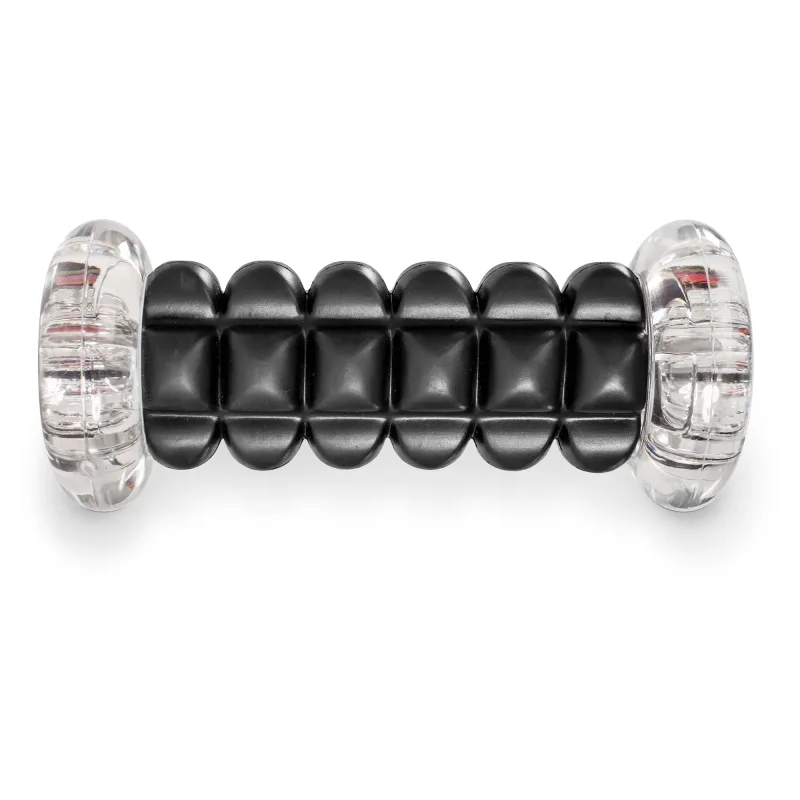
Feet deserve their own tool. Standing on a full-size roller is unstable and usually too intense. The NANO X Foot Roller is built for plantar work — you sit, roll the arch and heel with your foot, and control the pressure with your leg instead of your whole body weight.
Build a Two-Tool Kit Instead of Buying Everything
You don't need a wall of gear. Pick based on what actually bothers you:
- Tight quads, hamstrings, or back after leg day: one roller is enough. Start with the GRID 1.0.
- Shoulder tension or knotty glutes: add a massage ball. The MB5 handles most of it.
- Desk job, stiff neck and calves: a cane like the STK Contour earns its space.
- Sore feet after long shifts or runs: a foot roller beats everything else here.
Start with one roller and one ball. Use them for three weeks before deciding you need anything else — most people find that combination covers about 80% of what their body asks for. If a specific spot keeps coming back, that's your signal to add the third tool, not before.
One last habit: keep the roller where you'll trip over it. Mine lives next to the couch. Tools in a closet get used twice a year.